
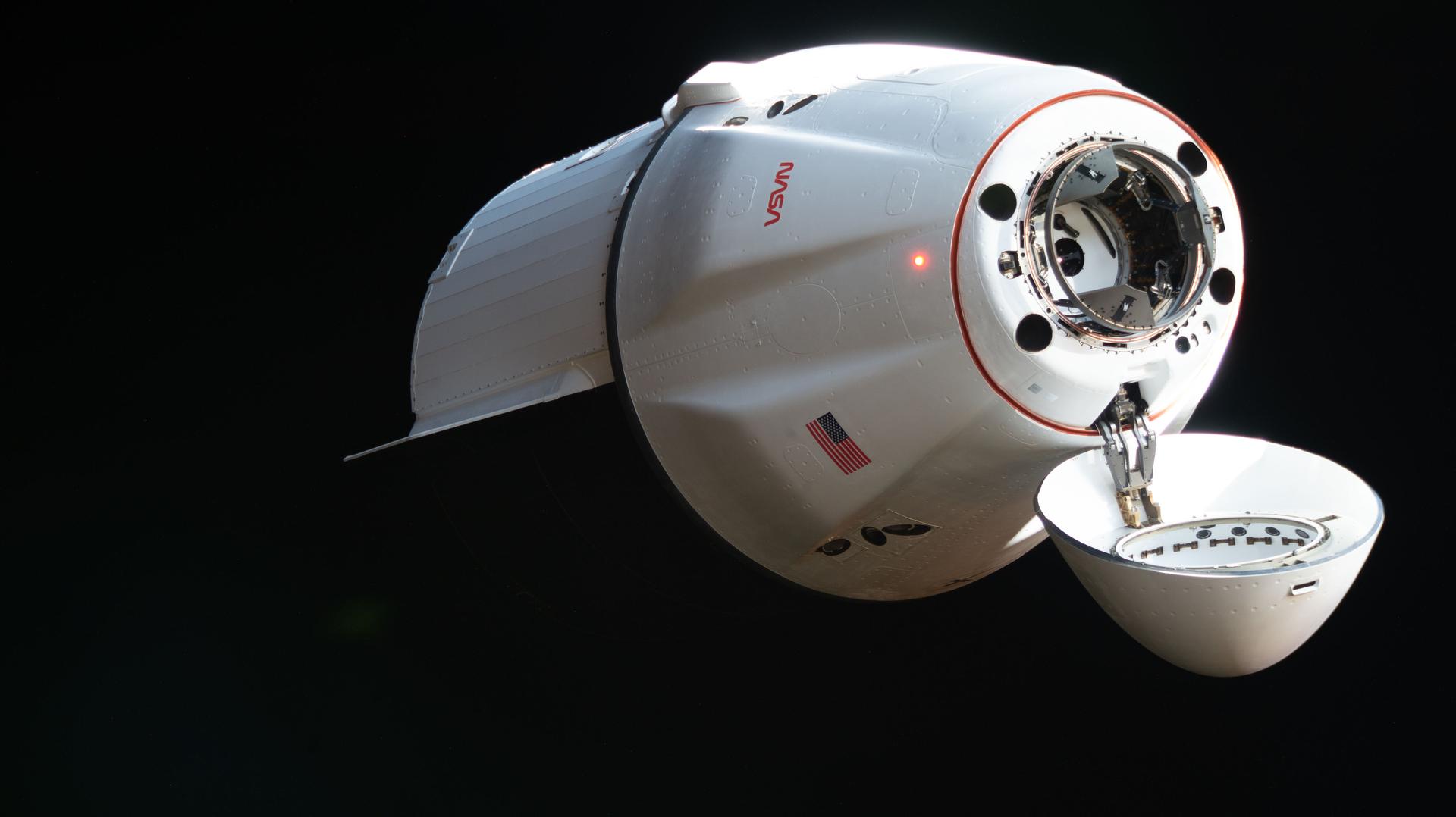
NASA to Cover 34th SpaceX Resupply Mission Space Station Departure
A SpaceX Dragon spacecraft is returning to Earth from the International Space Station (ISS) on June 17, carrying 6,500 pounds of cargo. According to NASA, the shipment includes bioprinted organ tissues and cancer treatment research designed to advance medicine and long-duration space travel for the Artemis and Mars missions.
What medical breakthroughs are returning from the ISS?
NASA reports that the returning Dragon spacecraft carries bioprinted organ and cartilage tissue. These samples allow researchers to study how tissues grow in microgravity, which differs significantly from Earth-based labs. The cargo also includes DNA-inspired materials intended to develop new cancer treatments.
This research focuses on the “information gain” of space-based manufacturing. By removing gravity, scientists can create structures that would collapse under their own weight on Earth. According to NASA, these samples could shape future medical interventions for patients on the ground.
How does this cargo support future Moon and Mars missions?
The shipment contains critical data on improving cryogenic fuel storage. NASA identifies this as a requirement for deep-space travel. Unlike low Earth orbit, missions to the Moon via the Artemis program or to Mars require fuels that stay liquid and stable over months of travel.
Crew health is another priority. The spacecraft is returning an ocular imaging device used to monitor the eye health of astronauts. Prolonged exposure to space is known to cause vision changes, and this hardware provides the data needed to protect future explorers on multi-year journeys.
What hardware is being returned for analysis?
Beyond scientific samples, Dragon is transporting used station hardware for ground analysis. This includes a separator pump from the waste and hygiene compartment and an absorbent bed used to filter trace contaminants from the cabin air.
Analyzing this hardware allows engineers to see how materials degrade over time in the harsh environment of space. This process informs the design of the next generation of spacecraft and orbital habitats. It’s a cycle of “test, return, and refine” that NASA uses to ensure crew safety.
How does the return process work?
The process begins with a command from SpaceX ground controllers. On June 16, the Dragon spacecraft undocks from the forward port of the Harmony module at approximately 12:05 p.m. EDT. Once clear, it fires thrusters to move away from the orbiting complex.
The spacecraft then enters the atmosphere on June 17. NASA expects a splashdown off the coast of California at approximately 5:08 a.m. PDT. This mission follows a launch that occurred on May 15, with the spacecraft arriving at the station on May 17.
For more on how these missions integrate with commercial spaceflight, see our guide on commercial space logistics.
Frequently Asked Questions
When does the SpaceX Dragon return to Earth?
The spacecraft is scheduled to splash down on Wednesday, June 17, at approximately 5:08 a.m. PDT.
Where will the spacecraft land?
According to NASA, the Dragon will splash down off the coast of California.
What is the total weight of the returning cargo?
The spacecraft is returning with nearly 6,500 pounds of crew cargo and science experiments.
Why is bioprinting done in space?
Microgravity allows for the creation of tissues and organs without the structural collapse caused by Earth’s gravity, providing new insights for cancer treatments and organ regeneration.
Stay Updated on Space Exploration
Do you think bioprinting in space will revolutionize medicine on Earth? Let us know your thoughts in the comments below or subscribe to our newsletter for the latest in aerospace breakthroughs.