
India Protests US Strike on Tanker Killing Indian Crew
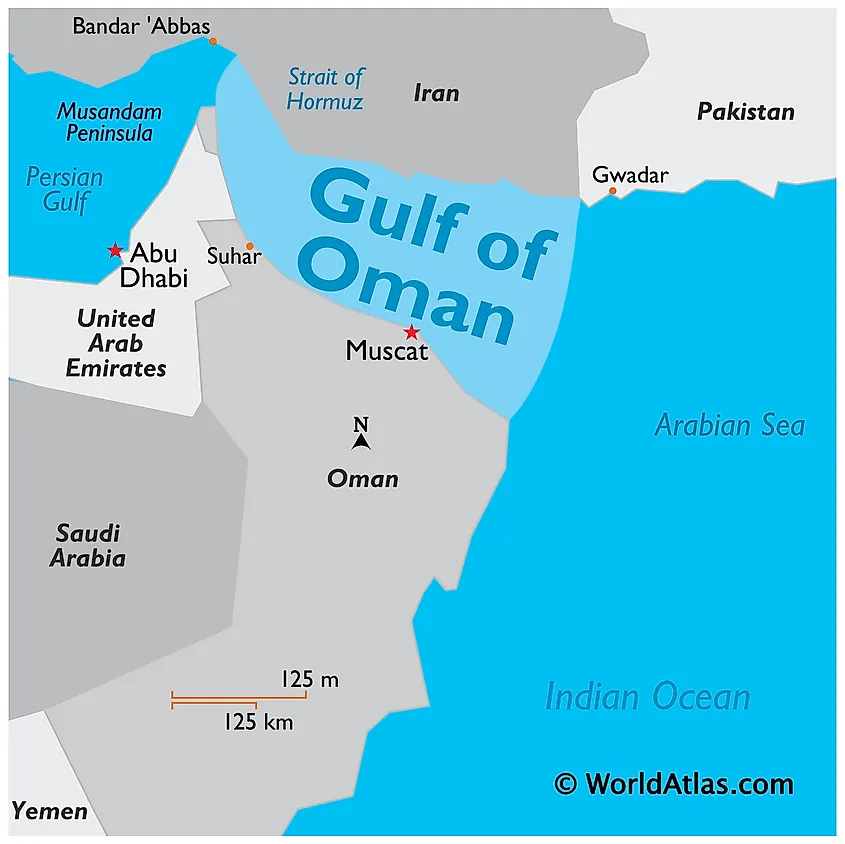
India has summoned a senior US diplomat following the deaths of three Indian crew members aboard the MT Settebello, which US Central Command (CENTCOM) targeted in the Gulf of Oman on June 9. The strike highlights the escalating risk to Indian seafarers operating the “shadow fleet” of tankers transporting sanctioned Iranian oil under a US-led blockade established on April 13.
Why is the “shadow fleet” becoming more dangerous for Indian crews?
The risks for civilian crews have shifted from regulatory fines to kinetic military action. According to CBS News, at least nine vessels have been disabled since the US blockade began on April 13. This includes the MT Settebello and the Marivex, both of which carried all-Indian crews.
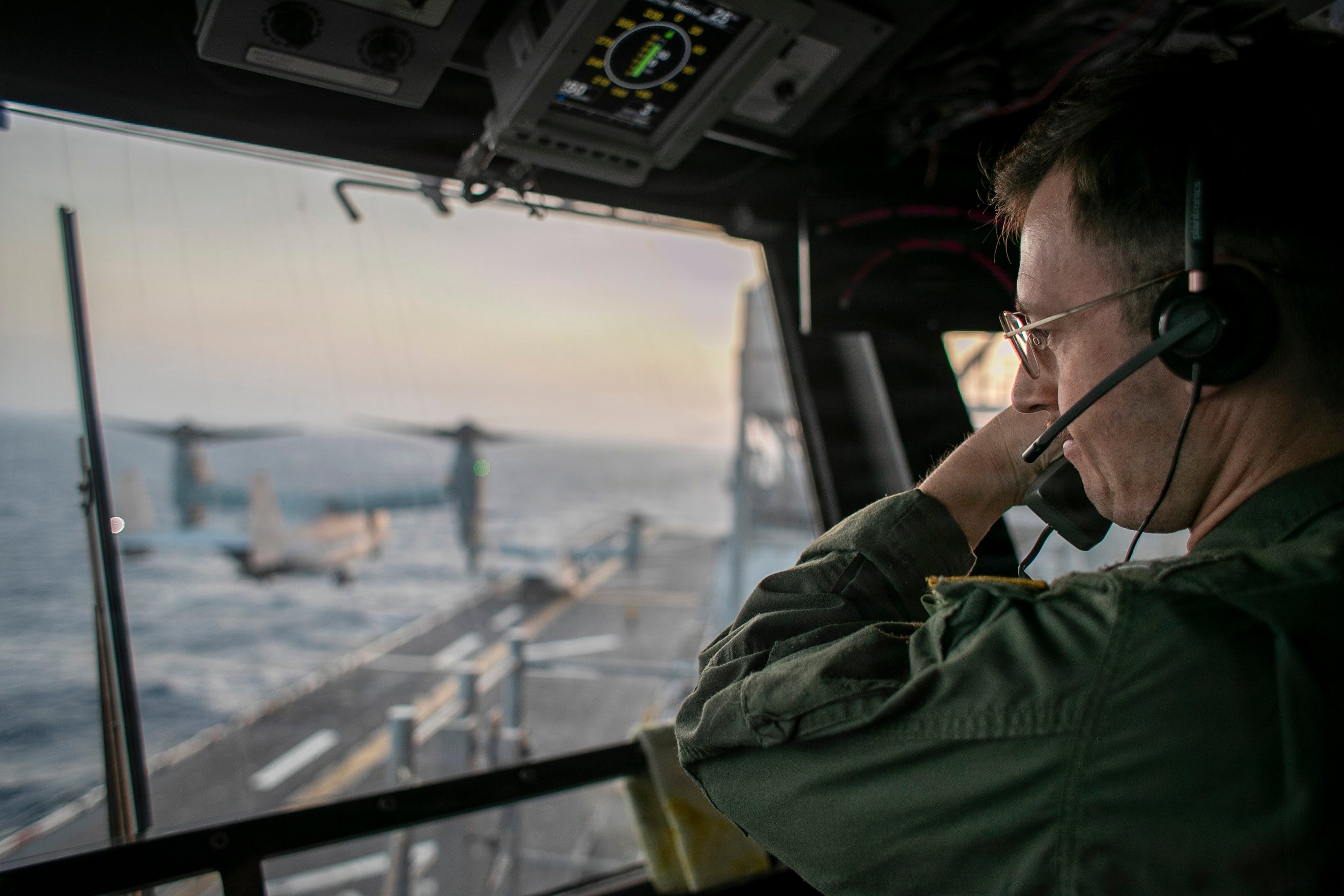
US Central Command reports that the Settebello repeatedly ignored warnings to alter course and was running the blockade. CENTCOM published footage showing aircraft firing into the ship’s engineering spaces to stop its progress. This “disabling fire” doctrine aims to stop ships without sinking them, but it has resulted in fatalities. Three Indians died on the Settebello: chief engineer Patnala Suresh, engine fitter Shivanand Chaurasiya, and deck cadet Aditya Sharma.
How does the US blockade impact India’s strategic autonomy?
India faces a direct collision between its economic needs and its diplomatic relations. The Indian government buys discounted, sanctioned crude to keep domestic fuel prices stable. However, this policy places its citizens in the crosshairs of US enforcement.
The diplomatic reaction has evolved based on the body count. When the Marivex burned in the same waters shortly before the Settebello incident, New Delhi’s public response was limited to thanking Oman for the rescue. After three deaths on the Settebello, the foreign ministry registered a “strong protest,” stating that the targeting of civilian infrastructure must end.
This tension peaks as Prime Minister Narendra Modi prepares for the G7 in France. According to Indian media, Modi will enter talks with the American president as a leader whose government is protesting the killing of its citizens on ships that are legally violating the very blockade the US is enforcing.
Will Indian seafarers stop signing onto sanctioned tankers?
Financial incentives currently outweigh the security risks. Seafarers’ unions report that men continue to sign onto sanctioned hulls because these employers pay higher wages than standard commercial fleets.
The scale of the risk is massive. Approximately eight million Indians live and work in the maritime corridors affected by this conflict. Despite the summons of a US diplomat, the Indian government has not issued an advisory to pull crews off sanctioned ships, nor has it demanded compensation for the Settebello deaths.
What happens next for maritime security in the Gulf of Oman?
The US legal position remains firm. Washington maintains that warnings are given and that disabling fire is a form of restraint compared to sinking a vessel. As long as tankers run cordons with dark transponders, the US expects they assume the risk of engagement.
For India, the cost of “strategic autonomy” is becoming visible. The Jalveer, a Guinea-Bissau-flagged ship, was struck by two Hellfire missiles in its engine room on a recent Thursday, further proving that the Settebello was not an isolated incident. The pattern suggests a continued US effort to choke Iranian oil exports regardless of the crew’s nationality.
Frequently Asked Questions
What is the “shadow fleet”?
It is a collection of tankers used to transport oil from sanctioned countries, like Iran, often using deceptive ownership structures and turning off tracking systems to avoid detection.
Why did the US strike the MT Settebello?
According to US Central Command, the vessel failed to comply with directions to alter course and was attempting to run a blockade designed to stop Iranian oil shipments.
Why are Indian crews disproportionately affected?
India provides a vast percentage of the world’s seafaring labor. High pay on sanctioned vessels attracts Indian engineers and cadets, despite the geopolitical risks.
Stay Informed on Global Maritime Risks
Are these diplomatic protests enough to protect seafarers, or is the economic lure of the shadow fleet too strong? Share your thoughts in the comments below.