
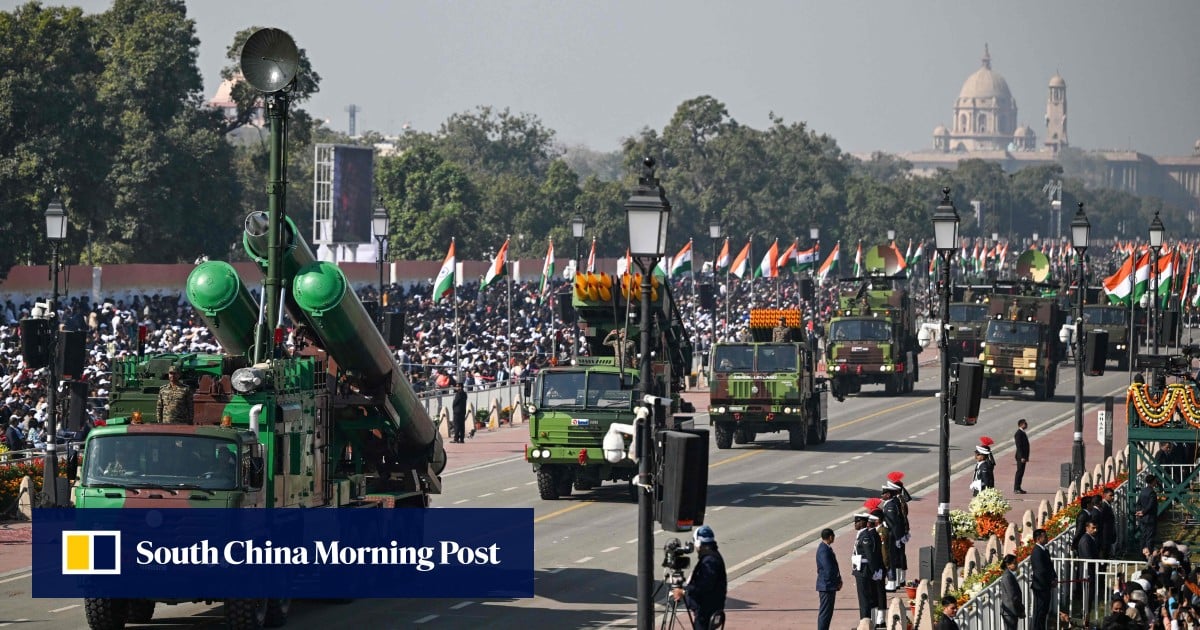
India seals BrahMos missile deal with Vietnam, eyes Indonesia next
The Shift in Global Arms Trade: India’s New Role as an Exporter
For decades, India was known as one of the world’s largest importers of defense equipment. The narrative was simple: buy the best from Russia, France, or the US to maintain regional stability. However, a tectonic shift is occurring. India is no longer just a customer; it is becoming a provider.
The recent movement to supply BrahMos supersonic cruise missiles to Vietnam and the potential deal with Indonesia signal a broader strategic pivot. This isn’t just about selling hardware; it’s about exporting strategic influence across the Indo-Pacific.
Why the BrahMos is a Game-Changer for ASEAN
The appetite for BrahMos in Southeast Asia isn’t accidental. Nations like the Philippines and Vietnam face complex maritime challenges in the South China Sea. They need a “deterrent”—a weapon that doesn’t just defend, but makes an adversary think twice before escalating.
The BrahMos offers a unique combination of precision and raw power. Unlike subsonic missiles, its supersonic speed reduces the reaction time for the target to almost zero. For a coastal nation, this translates to a formidable “anti-access/area-denial” (A2/AD) capability.
The Philippines and Vietnam Blueprint
The sale to the Philippines served as the proof of concept. By integrating these systems, Manila sent a clear signal about its resolve to protect its sovereign rights. Vietnam is now following a similar path. With deals potentially worth upwards of 60 billion rupees, these agreements include more than just missiles—they encompass training, logistical support and long-term maintenance.

This creates a “lock-in” effect. When a country adopts an Indian weapons system, they aren’t just buying a product; they are entering a multi-decade strategic partnership with New Delhi.
Beyond the Hardware: The Strategy of Defense Diplomacy
Defense exports are the ultimate tool of diplomacy. By supplying critical security assets to ASEAN nations, India is positioning itself as a reliable security partner—a “net security provider” in the region. This reduces the over-reliance of these nations on any single superpower.
the joint development of BrahMos with Russia shows India’s ability to navigate complex geopolitical waters. Even as India strengthens ties with the West, it maintains the technical legacy of its Russian partnerships to create products that are now competitive on the global market.
For more on how regional alliances are shifting, check out our guide on Indo-Pacific Security Architecture or visit the Stockholm International Peace Research Institute (SIPRI) for global arms transfer data.
Future Trends: What’s Next for India’s Defense Sector?
The success of the BrahMos is likely the tip of the iceberg. We can expect several key trends to emerge over the next decade:
- Diversification of Portfolio: India will likely move from exporting single “star” products to offering complete platforms, including indigenous LCA Tejas fighter jets and advanced naval frigates.
- Co-Development Models: Instead of simple sales, India may enter “co-production” deals where components are manufactured locally in the buying country, further deepening economic ties.
- Digital Defense: A shift toward exporting cybersecurity frameworks and drone surveillance tech to smaller nations seeking affordable, high-tech security.
Frequently Asked Questions
What makes the BrahMos missile different from others?
Its primary advantage is its supersonic speed and “fire-and-forget” capability, meaning it doesn’t require further guidance after launch, making it highly lethal and hard to intercept.
Why are ASEAN countries interested in Indian weapons?
India offers a balance of high-performance technology and strategic autonomy. Buying from India allows these nations to modernize their militaries without becoming overly dependent on a single global superpower.
How does this affect India’s relationship with Russia?
BrahMos is a joint venture. Exporting it requires mutual agreement, which actually strengthens the India-Russia technical bond while expanding the market for their shared technology.
Join the Conversation
Do you think India can become a top-five global defense exporter by 2030? Or will geopolitical pressures limit its growth?
Share your thoughts in the comments below or subscribe to our newsletter for weekly deep-dives into global security.