
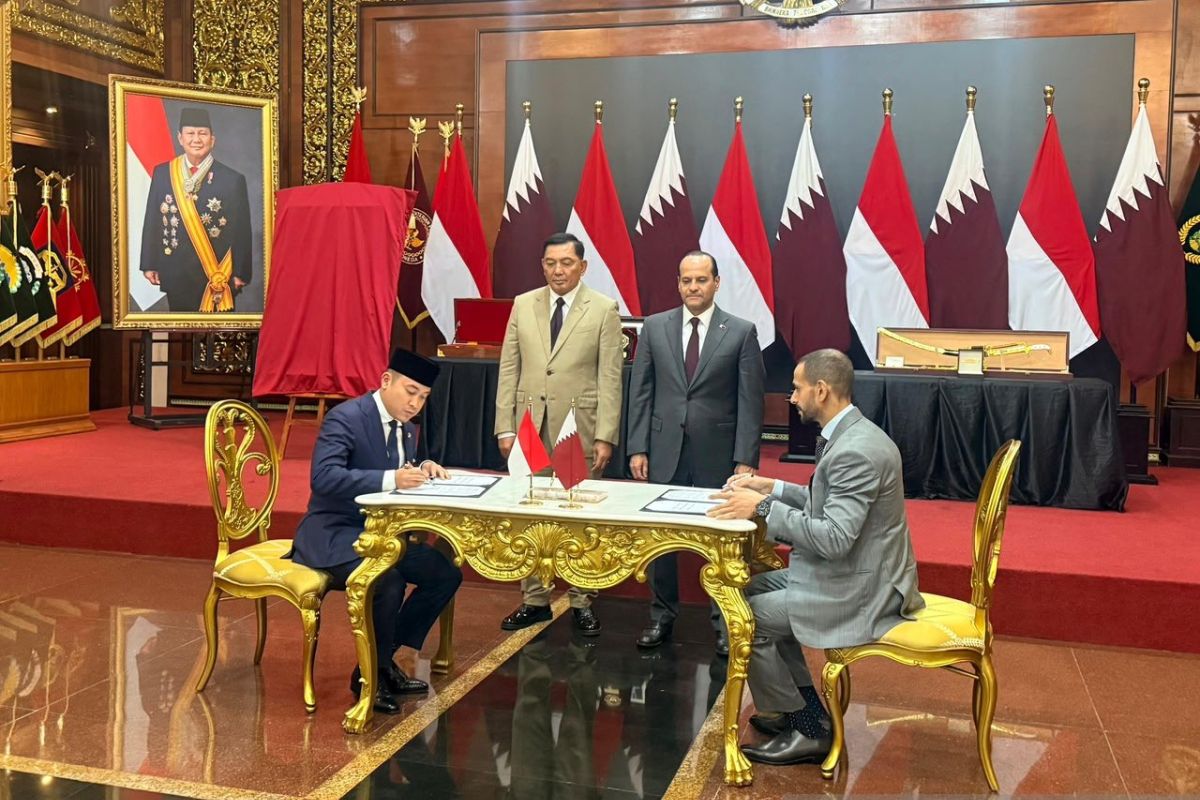
Indonesia, Qatar deepen defense industry ties through joint venture
The Indonesia-Qatar Defense Axis: A New Era of Strategic Sovereignty
The recent joint venture between Indonesia’s Republikorp and Qatar’s Barzan Holdings signals a profound shift in how emerging economies approach national security. By moving beyond simple procurement—the act of buying off-the-shelf equipment—nations are increasingly prioritizing domestic defense industrialization. This partnership, culminating in the creation of “Republik Barzan,” is a blueprint for how mid-sized powers can achieve technological self-reliance.
Beyond Procurement: The Future of Modular Defense
The collaboration covers a surprisingly broad spectrum: from small arms to unmanned surface vessels (USVs) and mini-submarines. This modular approach is a growing trend in the defense sector. Rather than focusing on massive, singular platforms, modern militaries are shifting toward asymmetric warfare capabilities.
Why Technology Transfer Matters
For a country like Indonesia, the primary goal isn’t just to arm its military; it is to foster a local ecosystem. By partnering with Qatar, Indonesia gains access to advanced manufacturing processes and R&D pipelines. This knowledge transfer is the “secret sauce” that allows domestic firms to iterate on designs, eventually creating equipment tailored specifically for local geography—such as the unique littoral environments of the Indonesian archipelago.
Emerging Trends in Global Defense Alliances
The Indonesia-Qatar pact reflects three major trends currently reshaping the global defense landscape:
- Diversification of Supply Chains: Nations are moving away from reliance on a single superpower to avoid geopolitical bottlenecks.
- South-South Cooperation: Middle powers are increasingly looking to each other for innovation rather than relying solely on the “Big Five” defense exporters.
- Dual-Use Technology Focus: The push for mini-submarines and USVs highlights a move toward technologies that serve both naval defense and maritime resource protection (such as anti-poaching and infrastructure monitoring).
Frequently Asked Questions (FAQ)
- What is the primary goal of the Republikorp-Barzan Holdings partnership?
- The partnership aims to develop industrial and production capabilities in Indonesia, specifically for firearms, unmanned surface vessels, and mini-submarines, reducing reliance on foreign imports.
- How does this benefit Indonesia’s military?
- It facilitates technical knowledge transfer, enhances local manufacturing capacity, and allows for more tailored defense equipment for Indonesia’s specific maritime terrain.
- Are these defense agreements just about buying weapons?
- No. Modern agreements like this also encompass military education, personnel exchanges, and joint training exercises, which improve overall operational readiness.
The Road Ahead: Building a Defense Ecosystem
As the “Republik Barzan” entity matures, the true test will be the move from prototype to mass production. The ability to scale domestic production will define whether this partnership remains a niche project or becomes a cornerstone of Indonesia’s defense industrial base. As global tensions fluctuate, countries that can manufacture their own defense solutions will undoubtedly hold the tactical advantage in the coming decade.
What are your thoughts on the rise of domestic defense manufacturing in Southeast Asia? Join the conversation in the comments below or subscribe to our weekly newsletter for more insights into global geopolitical trends.