
Indonesia Rejects IMF Loan Offer Amid Currency Weakness Amid Speculation
Why Is the Rupiah Weakening? Misinformation Links to IMF Loan Rejection, But Experts Say It’s a Complex Mix of Factors
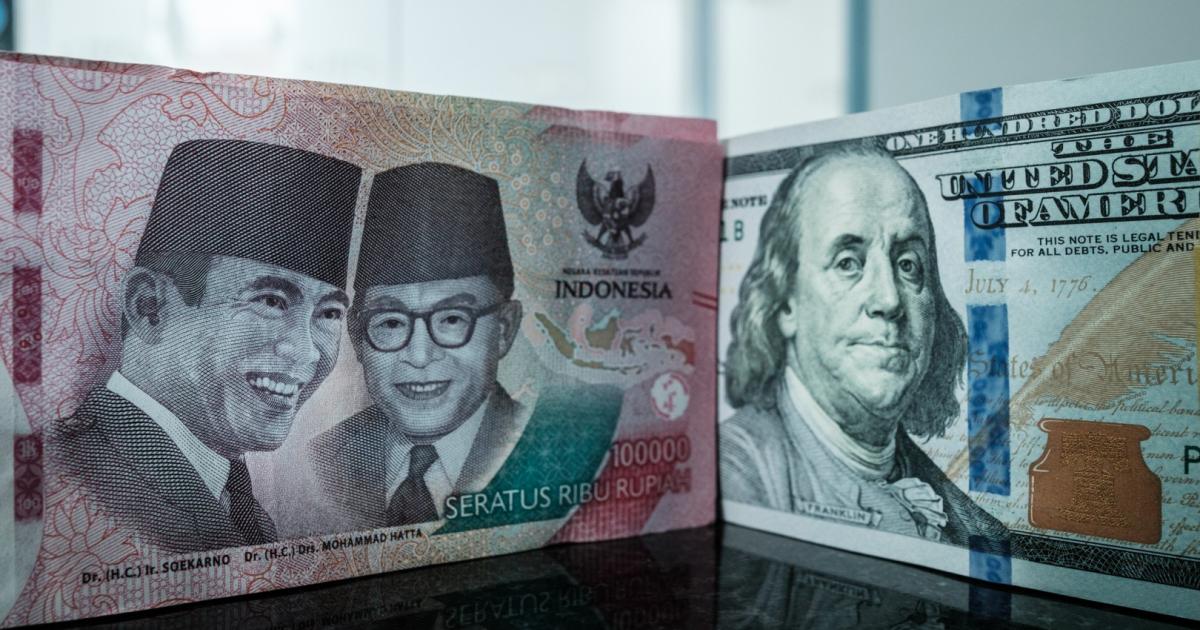
Indonesia’s rupiah has fallen to record lows against the US dollar, with social media clips falsely linking the decline to the government’s rejection of an IMF loan offer. A TikTok video claiming the currency is “being attacked for defending its sovereignty” has drawn over 700,000 views, but economists and officials say the situation is far more nuanced.
False Claims Spread on Social Media, But the Facts Tell a Different Story
A video featuring finance influencer Gema Goeyardi, who blends “astronacci” with market analysis, claims the rupiah’s weakness stems from Indonesia rejecting an IMF loan. The clip cites Finance Minister Purbaya Yudhi Sadewa’s April 2026 remarks about declining a $20–$30 billion offer, but the timeline and causality are misleading.
Central bank data shows the rupiah has been depreciating since Prabowo Subianto took office in October 2024, long before the alleged IMF rejection. By June 2026, the currency had fallen below 18,000 to the dollar, hitting five-year lows in early 2025 and its weakest level since the 1998 Asian crisis in March 2025.
What Factors Are Driving the Rupiah’s Decline?
Experts point to a combination of global and domestic factors. The Middle East war has increased demand for IMF financing, with the fund estimating $20–$50 billion in potential aid for vulnerable economies. However, Indonesia’s finance ministry stated it has $25 billion in reserves and deemed the offer unnecessary.
Local and international reports highlight other pressures: US tariffs under former President Donald Trump, inflation concerns, and Prabowo’s ambitious spending plans, including a free lunch program for schoolchildren and pregnant women. These policies have raised questions about fiscal management and strained government finances.
IMF’s Role: Not Directly Linked to Currency Depreciation, But Influential
Latif Adam, a senior economist at Indonesia’s National Research and Innovation Agency, clarified that exchange rates are driven by foreign currency demand and supply, not direct loan approvals. “The IMF’s influence comes from its assessments of Indonesia’s economic health, not from granting or withholding loans,” he told AFP.
Deni Friawan of the Centre for Strategic and International Studies added that the rupiah’s weakness reflects global trends. “High US interest rates and Middle East tensions are driving capital away from emerging markets,” he said. “Blaming the IMF distracts from deeper issues like fiscal management and subsidy costs.”
How Does This Compare to Past Crises?
The 1998 Asian financial crisis saw Indonesia’s currency collapse amid IMF bailouts, which were later viewed as humiliating. Today’s context is different: Indonesia has stronger reserves and a more diversified economy. However, the current depreciation mirrors 2025’s five-year low, which coincided with Trump’s tariffs and domestic policy shifts.
IMF spokespersons noted that Indonesia’s “strong fundamentals” remain intact, but warned that prolonged global uncertainty could test those buffers. The fund has emphasized the importance of maintaining policy credibility to avoid further volatility.
Did You Know?
The rupiah’s decline began under Prabowo’s leadership, not after the IMF rejection. This highlights how misinformation can obscure the real drivers of economic trends.
Pro Tips: Monitoring Currency Trends
- Track central bank reports for inflation and reserve levels.
- Monitor global events like US interest rate decisions and Middle East conflicts.
- Follow official statements from the finance ministry and IMF for clarity.
Frequently Asked Questions
Why is the rupiah weakening?
The depreciation stems from a mix of global factors (Middle East war, US interest rates) and domestic issues (fiscal policies, inflation). The IMF loan rejection is not the primary cause.

Did Indonesia reject an IMF loan?
Finance Minister Purbaya Yudhi Sadewa declined a $20–$30 billion offer during the IMF-World Bank Spring Meetings, citing sufficient reserves. However, the rejection occurred after the rupiah had already started declining.
How does the IMF influence currency values?
The IMF’s assessments of an economy’s health can affect investor confidence, but direct loan approvals or rejections are not the main driver of exchange rates.
Stay Informed: Explore More
For deeper insights into Indonesia’s economic challenges, read our analysis on global trade tensions or fiscal policy reforms. Stay updated with the latest from AFP and IMF reports.
Have questions about the rupiah’s future? Share your thoughts in the comments below or subscribe to our newsletter for regular updates.