
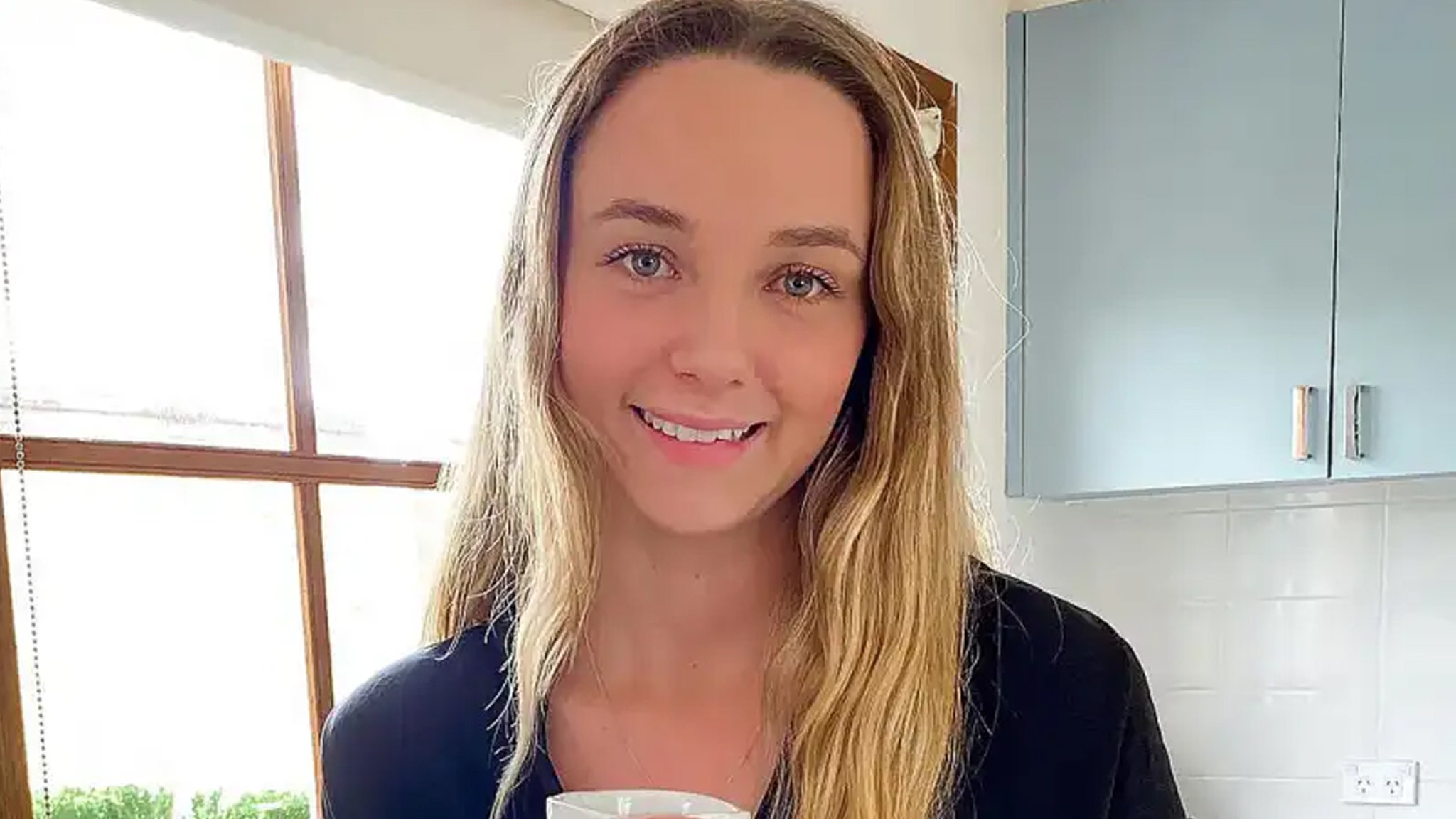
Influencer Stacey Hatfield Allegedly Refused Ambulance, Bled Out After Home Birth
Stacey Hatfield, an Australian food influencer, died from postpartum hemorrhaging during a home birth after allegedly refusing medical assistance multiple times. According to a coroner’s court inquest reported by TMZ, the 30-year-old wellness creator declined an ambulance twice while bleeding out, though her son survived the delivery.
Why are unassisted home births becoming a point of contention?
The death of Stacey Hatfield highlights a growing tension between the “wellness” movement and clinical obstetric care. In this case, the coroner’s court heard that Hatfield was “adamant” about avoiding medical intervention before, during, and after the birth. She delivered her son, Axel, without a nurse or midwife present.
While midwife-led home births are a recognized practice, “freebirthing”—delivering without any trained medical professional—carries significantly higher risks. Postpartum hemorrhage (PPH) is one of the leading causes of maternal mortality worldwide. According to the World Health Organization (WHO), PPH remains a primary driver of maternal death, often requiring immediate medical intervention like oxytocin or surgical intervention to stop the bleeding.
How does social media influence medical decision-making?
Hatfield’s status as a wellness content creator points to a trend where “natural” living is prioritized over clinical guidelines. Social media algorithms often amplify anecdotal success stories of home births while burying the complications. This creates a skewed perception of risk for followers who may view medical interventions as “unnatural” rather than life-saving.
The court noted that Hatfield’s husband, Nathan Warnecke, and a birth support worker honored her wishes to avoid medical help. This illustrates a dangerous gap: the difference between a “birth support worker” and a licensed medical professional. Support workers provide emotional and physical comfort but lack the training or equipment to manage a hemorrhage.
Industry experts suggest this trend may lead to more stringent regulations on how “wellness” influencers provide health-related advice. We’re seeing a shift toward platforms flagging medical misinformation, though “lifestyle choices” like birth plans often evade these filters.
What happens when patients refuse life-saving care?
The legal and ethical dilemma in the Hatfield case centers on patient autonomy. Adult patients generally have the right to refuse medical treatment, even if that refusal leads to death. The coroner’s court revealed that Hatfield refused an ambulance twice as she was bleeding out.
This creates a harrowing situation for family members and bystanders. In this instance, Warnecke followed his wife’s explicit wishes. However, the tragedy occurred despite the eventual efforts of two dozen clinicians who attempted to save her once she finally reached the hospital.
Comparing Home Births: Midwife-Led vs. Unassisted
It’s important to distinguish between different types of home births. The risks vary wildly depending on who is in the room.
- Hospital Birth: Immediate access to blood banks and surgical theaters. Lowest risk for severe PPH.
- Midwife-Led Home Birth: Managed by a licensed professional with emergency protocols and communication with hospitals.
- Unassisted/Freebirth: No medical oversight. As seen in the Hatfield case, the lack of a nurse or midwife means there is no one to clinically diagnose a hemorrhage until it becomes a crisis.
For more information on maternal health standards, visit the World Health Organization.
Frequently Asked Questions
What is postpartum hemorrhage?
It is heavy bleeding after giving birth. While some bleeding is normal, a hemorrhage occurs when blood loss is excessive, potentially leading to shock or death if not treated immediately.
Can a birth support worker replace a midwife?
No. A birth support worker (or doula) provides emotional and physical support. They are not trained to perform medical assessments, deliver medication, or manage obstetric emergencies.
Why is medical intervention necessary during PPH?
Stopping a hemorrhage often requires medications to contract the uterus or surgical procedures to stop the bleed, neither of which can be performed in a home setting without professional equipment.
Do you think social media influencers should be held accountable for the health advice they promote?
Share your thoughts in the comments below or subscribe to our newsletter for more deep dives into health and wellness trends.