
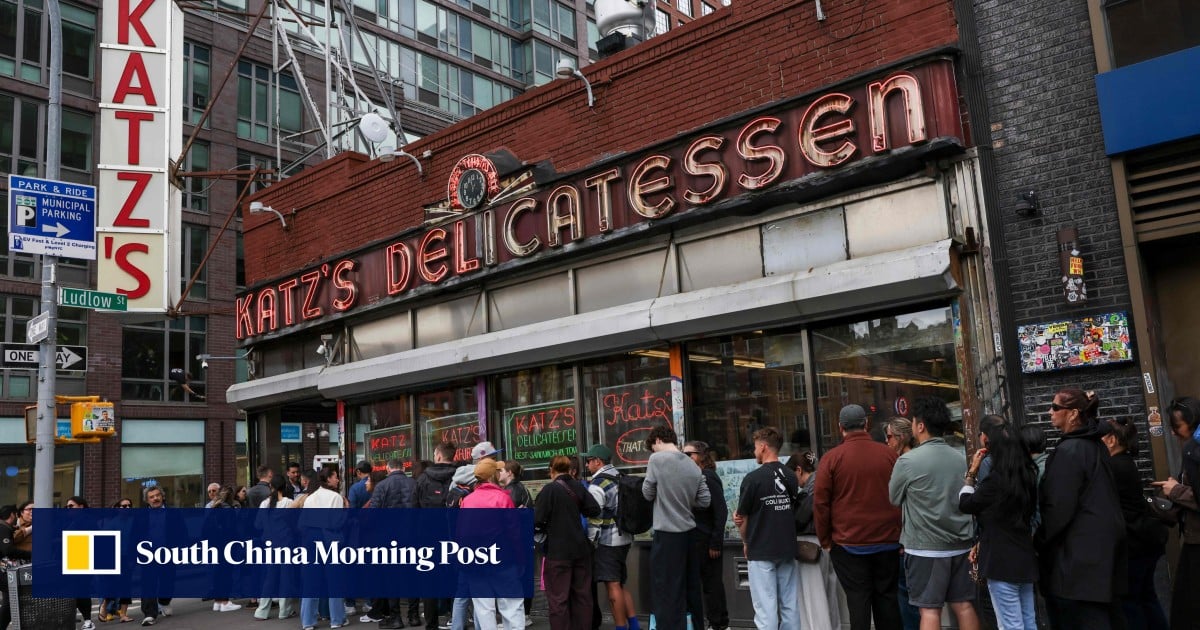
Inside the crazy New York queues where people wait for hours for Insta-cred
The Rise of the “Social Currency” Menu: Why We Wait in Line for Viral Bites
Walk past L’industrie Pizzeria in New York City, and you’ll see a familiar sight: a sea of people tethered to metal barriers, waiting for a slice of pizza. To the uninitiated, it looks like a chore. To the modern consumer, it’s a ritual.
We have entered the era of the “experience economy,” where the value of a product is no longer measured solely by its taste or quality, but by the social currency it provides. When a food influencer like Ali Chilton posts a video that amasses tens of millions of views—as seen with the viral hot chocolate craze at Glace—the food becomes a secondary attraction. The primary product is the proof of visit.
For many, like Isabella Downes, who waited nearly an hour for a Manhattan deli sandwich, the appeal lies in “participating in something trendy.” The line itself becomes a physical manifestation of a digital trend, turning a simple meal into a shared cultural event.
The Shift Toward “Content-First” Gastronomy
As we look toward the future of urban dining, we are seeing a pivot from “food-first” to “content-first” business models. Restaurants are no longer just designing menus; they are designing “moments.”
From the specific way a sauce is poured to the neon lighting of a dessert shop, every element is engineered to look stunning through a smartphone lens. This “Instagrammable” architecture ensures that every customer becomes a voluntary marketing agent for the brand.
However, this trend is creating a volatile cycle. The “hype cycle” is accelerating, meaning spots that are the “it” place in June may be forgotten by August. To survive, the next generation of eateries will need to balance viral aesthetics with genuine operational excellence to avoid the “flash-in-the-pan” fate.
Future Forecast: The Evolution of the Queue
While physical lines currently signal prestige, the future of the “hype” economy will likely move toward more sophisticated, digital-first accessibility models.
The Rise of AI-Driven Virtual Queuing
The physical barrier is inefficient. We expect to see a surge in AI-managed waitlists that predict demand based on real-time social media spikes. Instead of standing on a sidewalk, customers will join “digital lounges” where they can be notified exactly when their table or slice is ready, allowing the “hype” to remain while the friction is removed.
The Pivot to “Quiet Luxury” and Secret Spots
As viral fatigue sets in, a counter-trend is emerging: the pursuit of the “un-findable.” The next wave of food tourism will shift away from the 50-million-view spots toward “hidden gems” with no signage and invite-only access. Exclusivity will move from who is waiting in line to who knows where the door is.
Hyper-Localization and Micro-Trends
We are moving away from city-wide trends toward neighborhood-specific “micro-hypes.” Rather than one “best pizza in NYC,” we will see the rise of hyper-local heroes—spots that dominate a three-block radius and build a cult following through community-driven storytelling rather than mass-market viral videos.
For more insights on how urban culture is evolving, check out our guide on the evolution of the experience economy or explore our latest feature on global consumer behavior trends.
Frequently Asked Questions
Why do people enjoy waiting in long lines for food?
It is a combination of “social proof” and the desire for belonging. Participating in a trend provides a sense of cultural relevance and the reward of “winning” a scarce resource.
How do influencers impact small businesses?
A single viral video can bring unprecedented visibility (the “Glace effect”), but it can also overwhelm a business’s infrastructure, leading to quality drops and customer burnout if the shop isn’t prepared for the surge.
Is “hype dining” a sustainable business model?
Only if the product matches the promise. While hype gets people through the door once, quality and consistency are what keep a business alive after the trend fades.
What’s the longest you’ve ever waited for a meal?
Was the “viral bite” actually worth the hype, or was it all for the ‘gram? Let us know in the comments below or subscribe to our newsletter for more deep dives into the trends shaping our cities.