
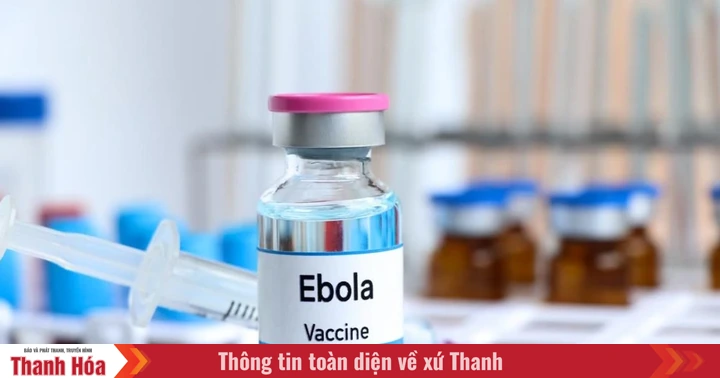
International Coalition Accelerates Ebola Vaccine Development with $60 Million Funding Package
The Coalition for Epidemic Preparedness Innovations (CEPI) has allocated $60 million to accelerate the development of vaccines against the Ebola Bundibugyo strain, a critical response to an outbreak in the Democratic Republic of Congo. The funding will support three initiatives, including a project led by Moderna, which received the majority of the grant. Another programme, developed by the University of Oxford and manufactured by the Serum Institute of India, utilizes mRNA technology similar to that used in COVID-19 vaccines and is expected to enter clinical trials within six weeks. A third initiative, focused on treatment methods, is being led by the International AIDS Vaccine Initiative, leveraging prior research on other Ebola strains to expedite development.
The funding comes as the current Ebola outbreak, classified as the third-largest since the virus was first identified in 1976, continues to spread. According to the Africa CDC and WHO, 906 suspected cases and 223 deaths have been reported, though the government has confirmed 282 cases and 42 fatalities. CEPI’s investment aims to address the urgent need for effective interventions, building on lessons from the COVID-19 pandemic. Richard Hatchett, CEPI’s CEO, emphasized the potential of modern technology platforms to rapidly advance vaccine candidates but cautioned that drug and vaccine development remains inherently risky and unpredictable.
What’s Next?
The next phase of development will focus on clinical trials for the Oxford-Serum Institute vaccine, with results potentially influencing broader vaccination strategies. However, the timeline for approval and distribution remains uncertain, as vaccine development often faces unforeseen challenges. CEPI’s funding may also shape future collaborations between global health organizations and pharmaceutical companies in responding to emerging infectious diseases.
Did You Know? The current Ebola outbreak in the Democratic Republic of Congo is the third-largest since the virus was first identified in 1976, highlighting the ongoing challenge of managing recurring epidemics in the region.
Expert Insight: The use of mRNA technology in the Oxford-Serum Institute vaccine reflects a strategic shift toward adaptable platforms that can respond to multiple pathogens. However, while such approaches can accelerate development, they also require rigorous testing to ensure safety and efficacy, particularly in low-resource settings where the outbreak is concentrated.
Frequently Asked Questions
What is the total funding allocated for Ebola vaccine development?
CEPI has committed $60 million to support three vaccine development initiatives.
Which organizations are involved in the vaccine projects?
Moderna, the University of Oxford, the Serum Institute of India, and the International AIDS Vaccine Initiative are leading the initiatives.
What is the current status of the Ebola outbreak?
The outbreak is the third-largest since 1976, with 906 suspected cases and 223 deaths reported by Africa CDC and WHO, though official confirmed cases and deaths are lower.
How might this funding impact global preparedness for future outbreaks?