
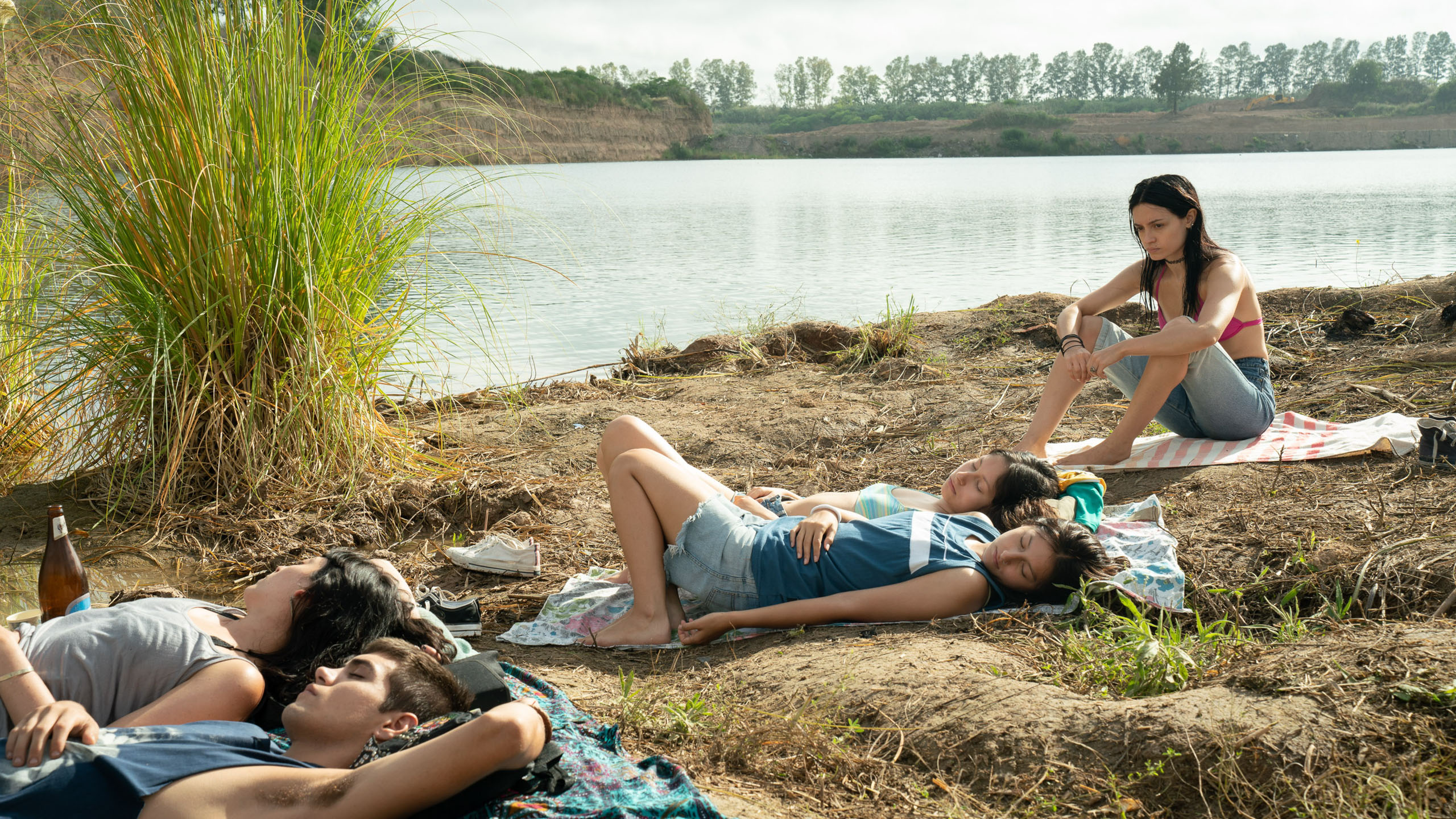
Interview with Director Laura Casabé on The Virgin of the Quarry Lake
Director Laura Casabé’s film, The Virgin of the Quarry Lake, has been named an official selection for the 2025 Sundance Film Festival. According to Casabé, the movie explores the lives of teenagers during Argentina’s 2001 crisis, blending genre elements with a study of women’s friendship and social violence.
Why is The Virgin of the Quarry Lake significant?
The film occupies what Casabé describes as a “liminal zone” where the ordinary and paranormal merge. She aims to reflect a reality where violence is naturalized due to an unequal, individualist system.
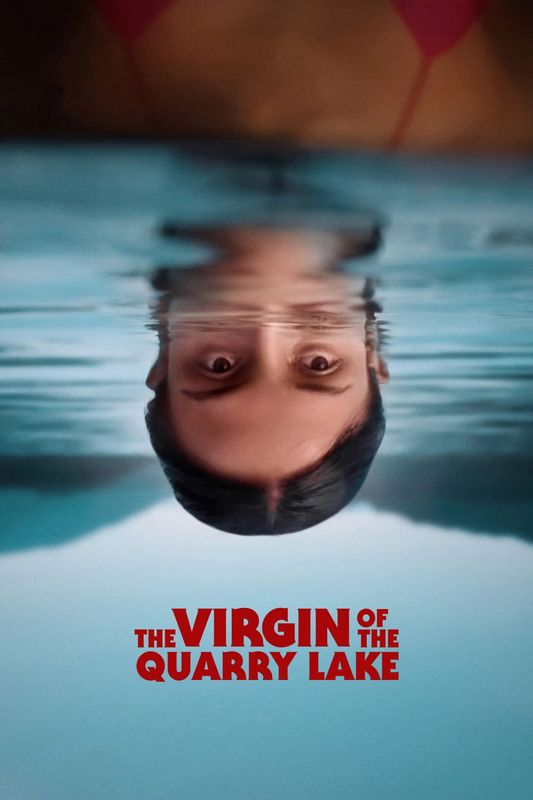
Casabé states the story represents a young Latina girl navigating a “charmless reality” while forced to fake sanity. It highlights the mystical and transcendental value of friendship between women during a social collapse.
How did the production survive Argentina’s financial crisis?
The shoot was described by Casabé as being on a “knife-edge” due to inflation and financing struggles in Argentina. The director noted that the project was at risk of not being finished several times.
To push through, Casabé drew motivation from Francis Ford Coppola’s experience with Apocalypse Now. She worked closely with Director of Photography Diego Tenorio to navigate these challenges through a shared creative understanding.
What inspired the film’s aesthetic and story?
Casabé cites the writings of Mariana Enríquez, particularly her portrayal of intense and bold teenage female characters, as a primary influence. She also credits Stephen King, specifically the movie Carrie, and classic genre cinema.
The visual style draws from North American independent films of the early millennium. Specifically, Casabé mentions Reservoir Dogs, Blood Simple, Pi, and the works of Richard Linklater as influences seen in Buenos Aires movie clubs.
What may happen next for the film?
As an official selection for Sundance, the film could potentially gain a wider international platform for stories concerning the 2001 Argentine crisis. It may attract viewers interested in “countercultural” cinema that avoids market-driven norms.
The premiere could also spark a broader dialogue about the “dark sides of our nature” and how social crises impact youth in the suburbs. This may lead to further interest in Casabé’s collaborative approach to filmmaking.
Frequently Asked Questions
What is the setting of The Virgin of the Quarry Lake?
The film is set in the suburbs of Argentina during the social crisis of 2001.
Who are the primary creative influences for Laura Casabé?
Casabé was inspired by author Mariana Enríquez, Stephen King’s Carrie, and early 2000s independent films like Pi and Reservoir Dogs.
What personal experience shaped Casabé’s directing style?
Her experience as a camerawoman for tabloid documentary TV and her time in the nighttime party scene informed her “oblique” view of the world from the margins.
Do you think independent cinema is the best medium for preserving collective memory during social crises?