
Iran and US Sign Historic Deal to End War
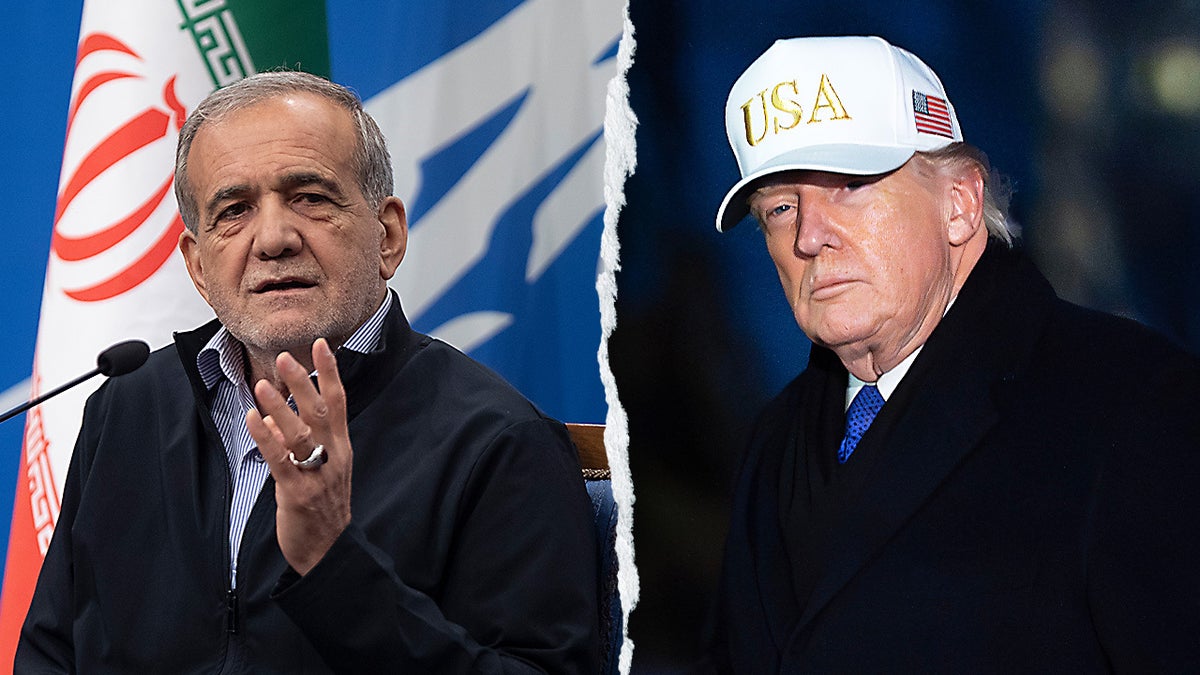
Iran and the United States signed a memorandum of understanding in June 2026 to end a war that began in February, according to reports from AFP and IRNA. The agreement, mediated by Pakistan’s Prime Minister Shehbaz Sharif, carries the signatures of President Donald Trump and President Masoud Pezeshkian.
Why is the Iran-US peace agreement facing implementation challenges?
Implementation of the ceasefire is expected to be more difficult than the act of signing the document, according to Esmaeil Baqaei, spokesperson for Iran’s Ministry of Foreign Affairs. Baqaei told the official Iranian news agency IRNA that Tehran will closely monitor US compliance.
Baqaei emphasized that signing the “Memorandum of Understanding Islamabad” doesn’t mean Iran has forgotten the lessons of the recent war. He stated that the country hasn’t abandoned the “valuable lessons” learned during the conflict, suggesting a guarded approach to the peace process.
How do Iranian leaders differ on the deal’s meaning?
Public statements from Iran’s leadership reveal a contrast between the executive branch and the clerical establishment. President Masoud Pezeshkian described the deal as “historic” in a social media post on June 18, claiming it sends a strong message that peace can be achieved through “mutual respect,” according to AFP.

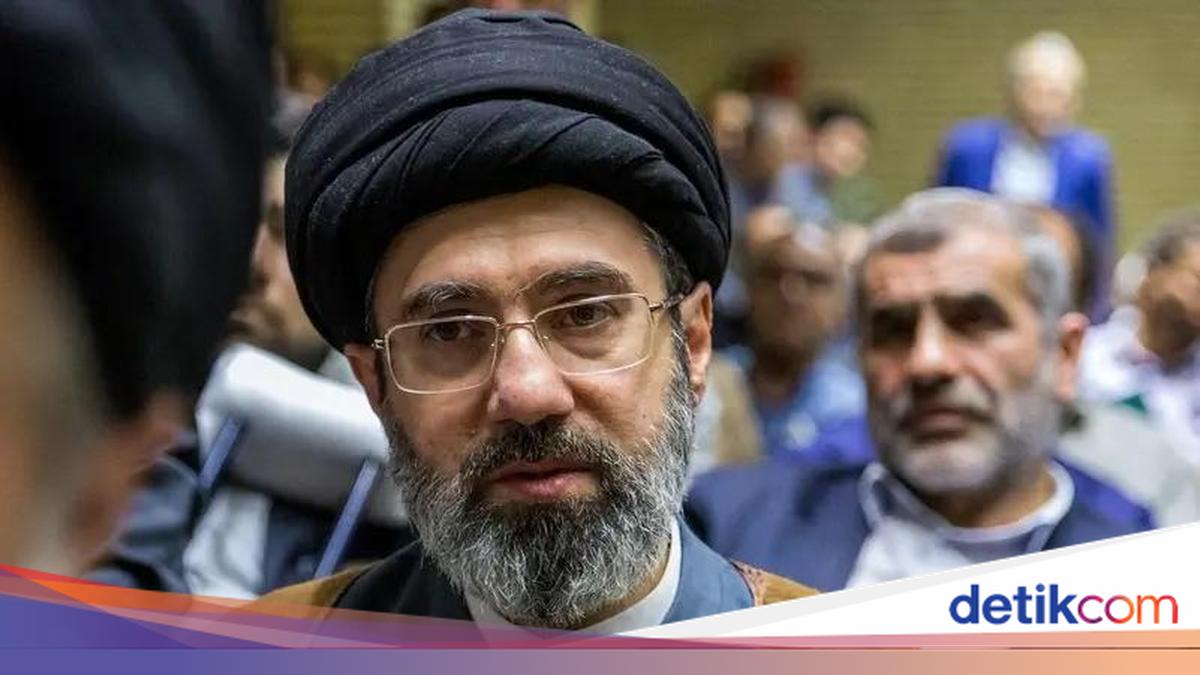
However, Supreme Leader Ayatollah Mojtaba Khamenei offered a more cautious interpretation. In a message read on state television on June 19, Khamenei stated that future face-to-face negotiations with the US do not equate to “accepting the views of the enemy.”
This distinction suggests a strategic divide: while the presidency focuses on the diplomatic breakthrough, the Supreme Leader is framing the engagement as a tactical necessity rather than a shift in ideology.
What was the role of the mediator in the Versailles agreement?
Pakistan’s Prime Minister Shehbaz Sharif served as the primary mediator for the deal. His signature appears on the final document alongside the presidents of the US and Iran. The agreement is formally referred to as the “Memorandum of Understanding Islamabad,” reflecting Pakistan’s role in facilitating the talks.
The timing of the signing suggests a high-level international effort to stabilize the region, as the final signatures were obtained amid the G7 summit proceedings in France. For more on the role of neutral mediators in global conflicts, see UN Peace and Security.
What happens next for US-Iran relations?
The focus now shifts to the “test of implementation,” as described by Esmaeil Baqaei. This phase typically involves the verification of troop withdrawals, the lifting of specific sanctions, or the cessation of hostilities in proxy zones.
Because the war began in late February and ended in June, the brevity of the conflict may influence how strictly both sides adhere to the terms. Historically, short-term ceasefires require rigorous third-party monitoring to prevent a return to hostilities.
Comparative Perspectives on the Peace Deal
| Entity | Stated Perspective | Source |
|---|---|---|
| Pres. Pezeshkian | Historic achievement based on mutual respect. | AFP |
| Ayatollah Khamenei | Direct talks $neq$ accepting enemy viewpoints. | State TV/AFP |
| Foreign Ministry | Implementation is harder than signing; lessons remain. | IRNA |
Frequently Asked Questions
Who signed the Iran-US peace agreement?
The document was signed by US President Donald Trump, Iranian President Masoud Pezeshkian, and mediator Pakistani Prime Minister Shehbaz Sharif.
Where was the agreement signed?
President Trump signed the MoU at the Palace of Versailles in France during the G7 summit.
When did the war between Iran and the US begin?
According to the reports, the conflict broke out in late February 2026.
Does the agreement mean Iran accepts US views?
No. Ayatollah Mojtaba Khamenei explicitly stated that future direct negotiations do not mean accepting the “viewpoints of the enemy.”
What do you think about the sustainability of this peace deal? Let us know in the comments below or subscribe to our newsletter for more geopolitical analysis.