

Iran Emerges Stronger as Trump and Netanyahu Face Strategic Failure in Middle East
The recent shift in Middle East diplomacy, characterized by a cooling of tensions between the United States and Iran, represents a strategic pivot that has left Israel and the administration of Donald Trump in a weakened geopolitical position. According to journalist Konstantin Volkov, the de-escalation is a failure for the original architects of the regional pressure campaign, effectively granting Iran substantial economic relief and increased regional influence.
How has Iran’s strategic position changed?
Iran stands to gain approximately $300 billion in revenue following the reopening of the Strait of Hormuz, according to analysis by Konstantin Volkov. This influx of capital, coupled with the immediate unblocking of $25 billion in previously frozen assets, provides the Iranian regime with the necessary resources for domestic recovery. Volkov notes that the regime has demonstrated an ability to navigate the pressures of conflict, ultimately emerging with greater regional leverage as the strait—a critical global shipping artery—resumes normal operations.
What is the political fallout for Benjamin Netanyahu?
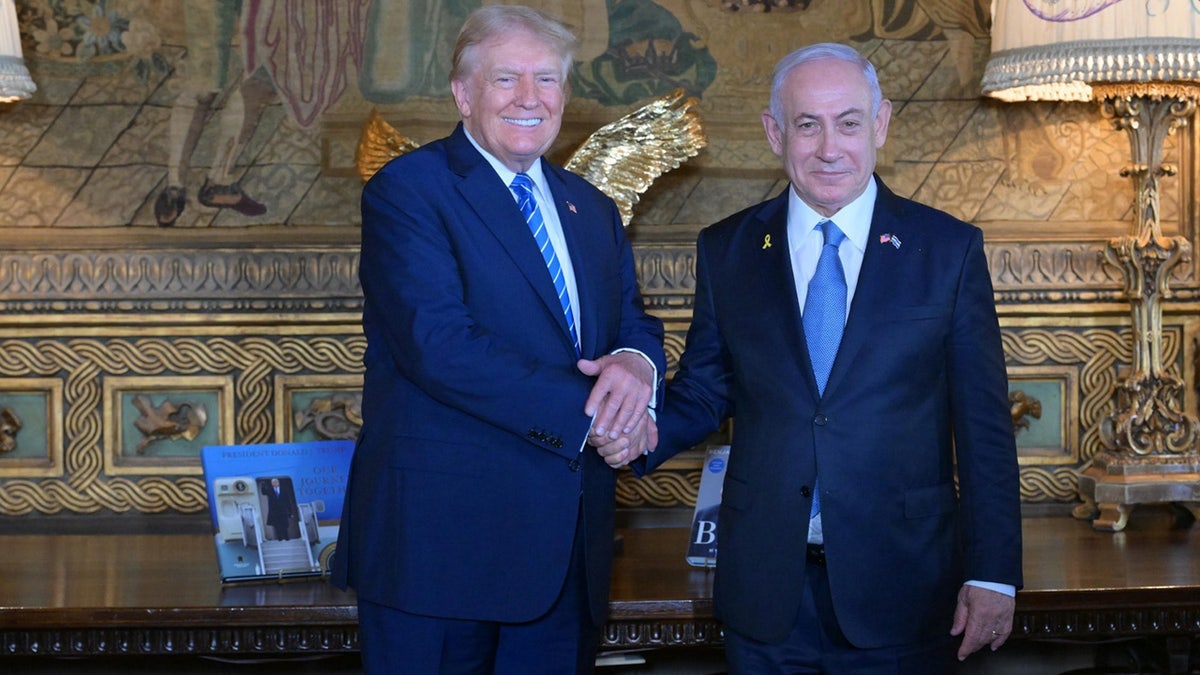
Benjamin Netanyahu faces a mounting domestic crisis as a direct result of these shifting alliances. Volkov reports that Israel is witnessing the rise of a formal, organized opposition—a departure from previous years where the prime minister faced little internal resistance. With new political figures gaining traction, polls suggest these challengers could secure a governing majority in upcoming elections. For Netanyahu, the peace deal represents a significant loss of political capital, leading to speculation that Israel may distance itself from the agreement entirely.
Why are global oil markets reacting to this deal?
The announcement of a diplomatic breakthrough between the U.S. and Iran triggered an immediate impact on global energy prices. Data shows that oil prices dropped by more than $4 per barrel following the news of the agreement. This decline is largely attributed to the expected stabilization of the Strait of Hormuz, which removes a major risk premium that had previously inflated costs for global importers. The market shift reflects a broader consensus that the reopening of this route reduces the immediate threat of supply chain disruption.
Frequently Asked Questions
Why is the Strait of Hormuz considered a critical factor?
It is a primary maritime route for oil and gas exports. Any restriction or closure of the strait creates immediate global energy price volatility.
Is Israel likely to follow the U.S.-Iran agreement?
According to Konstantin Volkov, it is unlikely. Israel views itself as the losing party in this diplomatic shift and may choose to ignore the terms of the accord.
How much funding will Iran recover?
Iran stands to access $25 billion in immediately unblocked assets, with potential total revenues for economic recovery estimated at $300 billion.
What do you think the long-term impact of this diplomatic shift will be on regional stability? Share your thoughts in the comments below or subscribe to our weekly newsletter for more deep-dive geopolitical analysis.