
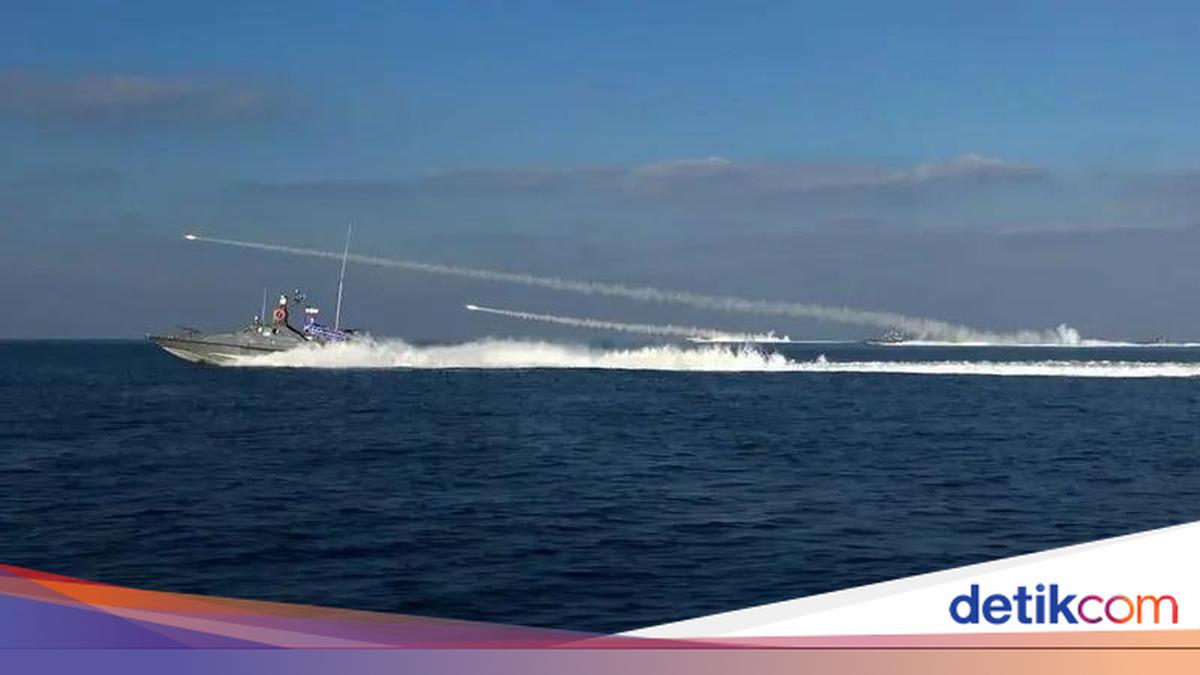
Iran Fires Missiles and Drones at US Warships in Oman Sea
Tensions in the Gulf of Oman have escalated following reports from the Iranian military claiming its naval forces engaged U.S. Warships with warning missiles and drones. The incident, which reportedly took place on Friday, June 5, 2026, marks another point of friction in the ongoing maritime disputes between Tehran and Washington.
Operational Details and Regional Claims
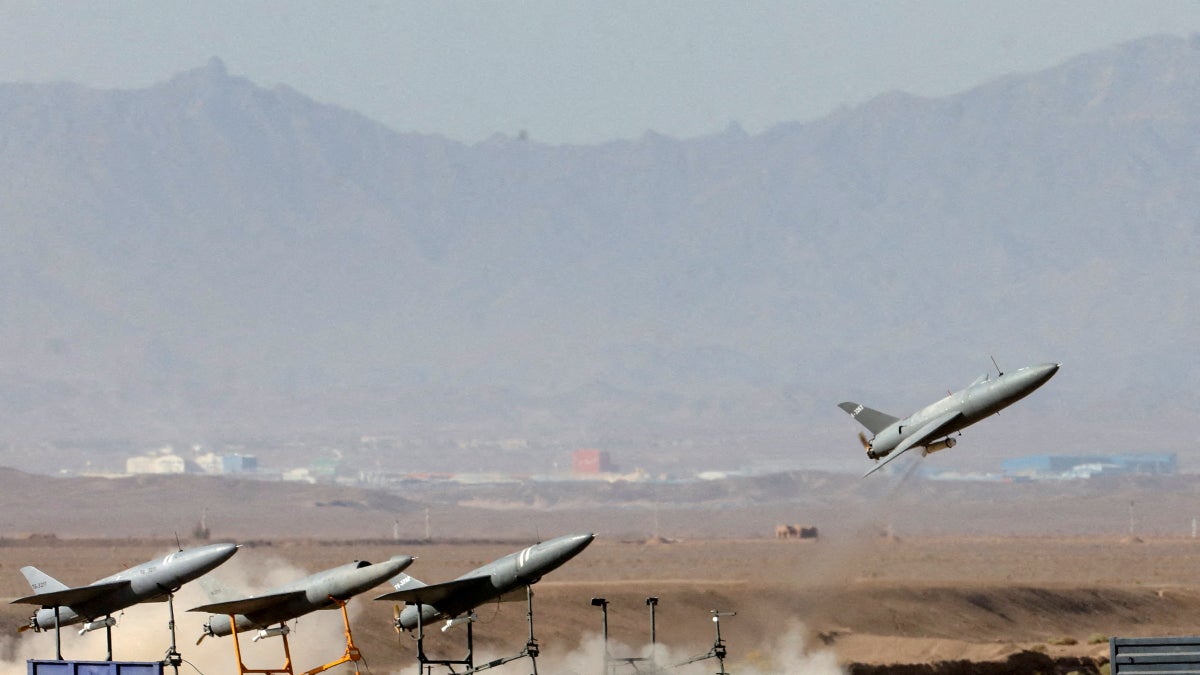
According to statements from the Iranian military, the action involved the use of Qadir missiles and Shahed Danesh combat drones. These assets were reportedly directed at two U.S. Destroyers, identified by their hull codes as DDG-103 (USS Truxtun) and DDG-87 (USS Mason). Tehran asserts that these warning measures compelled the vessels to depart the Gulf of Oman and move toward the Indian Ocean.
The Iranian military characterized the operation as a response to what it describes as U.S. Harassment of maritime traffic and the seizure of Iranian commercial vessels and oil tankers. Tehran further alleged that the targeted destroyers were acting as command-and-control centres for hostile activities against Iranian commercial shipping. While the U.S. Vessels have moved beyond the range of the missiles used in this specific encounter, Iranian officials have indicated that longer-range weaponry remains available should the situation require it.
Broader Conflict Context
This maritime confrontation occurs against a backdrop of wider hostilities that have seen sporadic flare-ups despite a ceasefire originally established on April 8. While that agreement was extended indefinitely by President Donald Trump, both sides have recently accused one another of violating the terms of the truce.
The situation remains volatile, as evidenced by recent exchanges between the two nations. The U.S. Has reported strikes against Iranian radar installations on Qeshm Island following the downing of four Iranian combat drones near the Strait of Hormuz. In retaliation, Iran conducted missile and drone strikes against U.S. Military installations in Kuwait and Bahrain. Diplomatic efforts mediated by Pakistan are ongoing, yet a permanent resolution to the conflict remains elusive.
Future Outlook
Looking ahead, the stability of the region remains tied to the success of the ongoing mediation efforts led by Pakistan. Analysts expect that continued accusations of ceasefire violations may lead to further intermittent military exchanges. Without a durable diplomatic framework, the risk of additional escalations in the Gulf of Oman and surrounding areas remains significant.
Frequently Asked Questions
What was the stated reason for Iran’s actions in the Gulf of Oman?
The Iranian military stated that the operation was a response to U.S. Harassment of maritime traffic and the seizure of Iranian commercial vessels and oil tankers.
What is the current status of the ceasefire between the U.S. And Iran?
A ceasefire was established on April 8 and extended indefinitely by President Donald Trump, but both sides have recently accused each other of violating the agreement through ongoing strikes and counter-attacks.
What diplomatic efforts are currently underway?
Pakistan is currently mediating the conflict, though these efforts have yet to result in a concrete, permanent end to the hostilities.
Given the volatile nature of the current maritime situation, what role can international mediation play in de-escalating tensions between these two powers?