
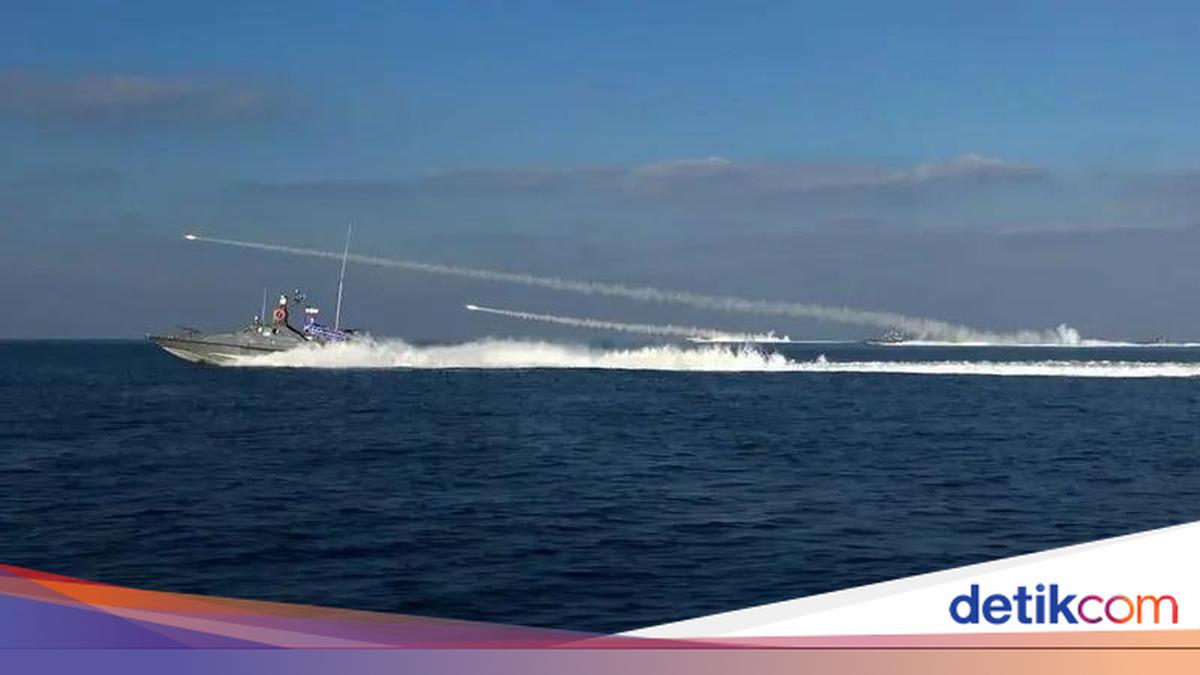
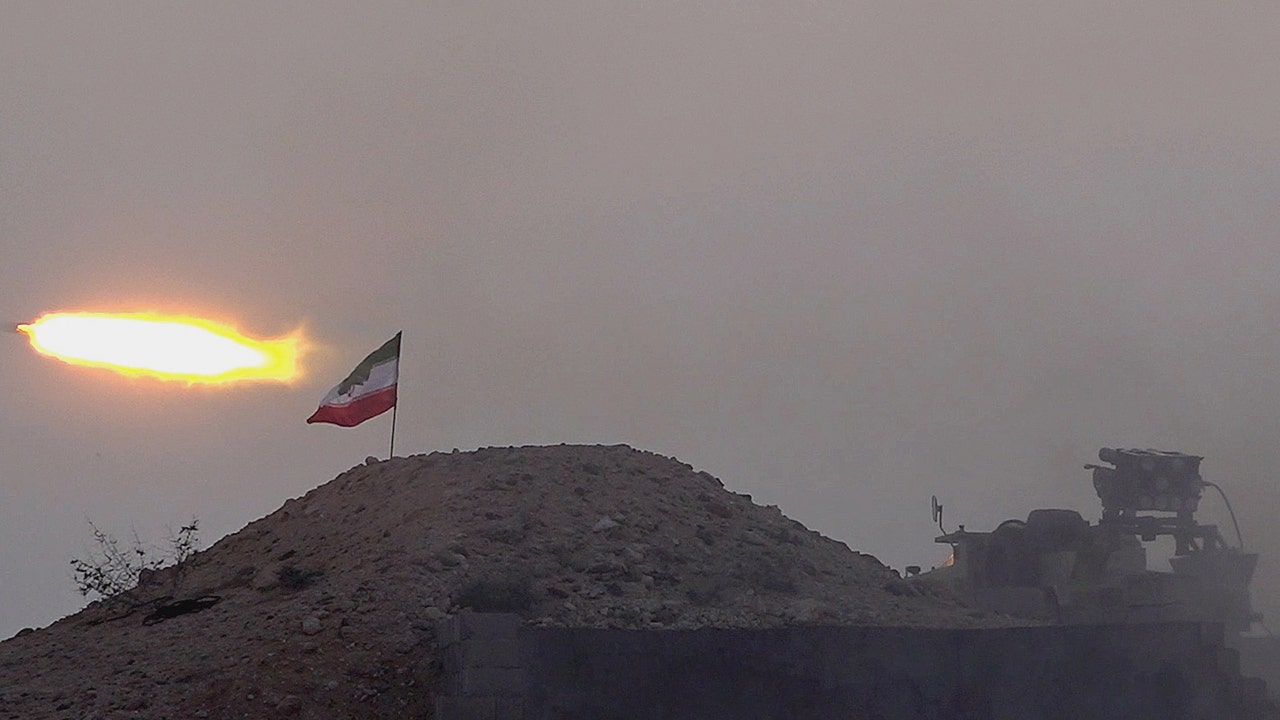
Iran Launches Missiles and Drones at US Warships in Oman Sea
Rising Tensions in the Gulf: A New Era of Maritime Brinkmanship
The geopolitical landscape in the Middle East has shifted once again, with the Gulf of Oman becoming a focal point for military friction. Recent claims from Tehran regarding the use of warning missiles and drones against U.S. Destroyers—specifically identified as the USS Truxtun (DDG-103) and USS Mason (DDG-87)—have sent shockwaves through global energy and defense markets.
The Shift Toward Automated Deterrence
The latest incidents highlight a significant evolution in naval warfare: the integration of offensive drones like the Shahed Danesh alongside cruise missiles as a primary deterrent. Unlike traditional naval signaling, which often involves radio warnings or visual maneuvers, the use of unmanned systems suggests a tactical pivot toward “low-cost, high-frequency” signaling.
Why Maritime Security is the New Global Pressure Point
The Gulf of Oman remains one of the world’s most critical maritime chokepoints. With a significant percentage of the world’s oil and liquefied natural gas (LNG) passing through the Strait of Hormuz, any escalation directly impacts global inflation and supply chain stability.
- Commercial Impact: Increased insurance premiums for tankers operating in the region.
- Strategic Posturing: The move by U.S. Forces toward the Indian Ocean following these warnings reflects a classic de-escalation maneuver to prevent accidental kinetic conflict.
- Technological Proliferation: The increased use of drone technology in naval standoffs is democratizing the ability for regional powers to challenge established naval hegemonies.
The Fragility of Modern Ceasefire Agreements
Despite ongoing diplomatic efforts mediated by international partners, the current “on-again, off-again” nature of the U.S.-Iran ceasefire underscores a dangerous trend. When formal peace negotiations fail to address the underlying maritime disputes, military forces often fill the void, leading to “grey zone” warfare—actions that remain just below the threshold of full-scale conflict.
Looking Ahead: What to Expect
As the situation develops, experts anticipate a surge in investments toward autonomous naval defense systems. Nations operating in the region are likely to prioritize:
- Counter-Drone Capabilities: Enhanced laser and electronic warfare systems to neutralize incoming UAV threats.
- Enhanced Maritime Domain Awareness (MDA): Using satellite imagery and AI to monitor ship movements in real-time.
- Diplomatic Backchannels: A renewed focus on direct communication lines between naval commanders to prevent miscalculation.
Frequently Asked Questions (FAQ)
Q: Why is the Gulf of Oman strategically important?
A: It serves as the gateway to the Strait of Hormuz, through which a vast portion of the world’s oil supply transits daily. Any disruption here causes immediate global energy price fluctuations.
Q: How do U.S. And Iranian accounts of these incidents typically differ?
A: Iran often frames these interactions as sovereign defense against “harassment,” while the U.S. Military—specifically CENTCOM—frequently denies the Iranian narrative or characterizes the interactions as unsafe and unprofessional behavior.
Q: Is a full-scale naval conflict likely?
A: Most analysts suggest that both parties are currently engaged in “signaling” rather than seeking an all-out war. The goal is to establish boundaries and influence regional policy without triggering a large-scale military engagement.
Stay informed on the latest developments in global maritime security. Subscribe to our newsletter for weekly analysis on geopolitical trends and their impact on global markets.