
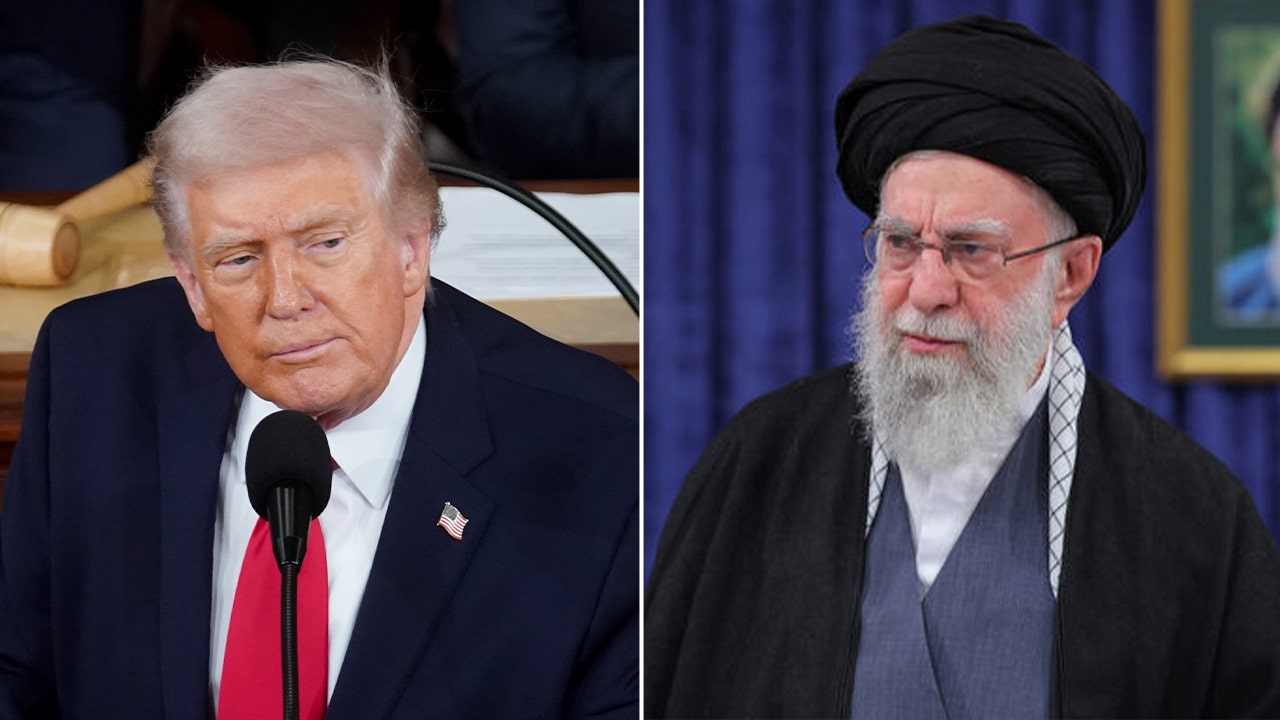
Iran Reveals New Details on US-Israeli Strike That Killed Ali Khamenei
The death of Ali Khamenei via Operation Epic Fury signals a shift toward “surgical decapitation” in global security. By utilizing precision munitions to target specific leadership wings while leaving surrounding infrastructure intact, the U.S. and Israel have established a precedent for high-stakes regime pressure coupled with diplomatic off-ramps.
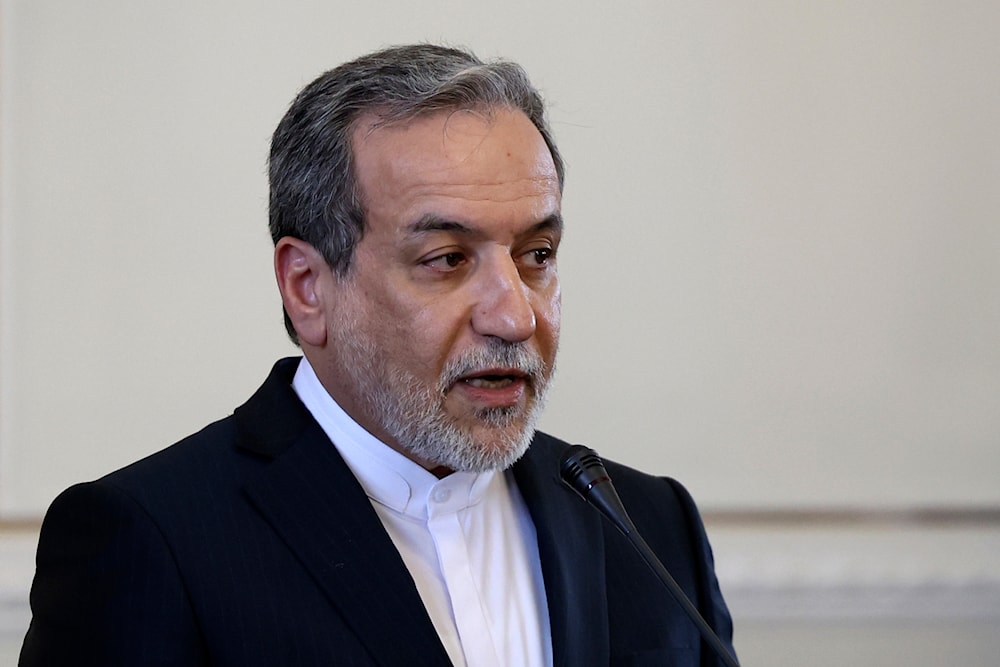
The details emerging from Iranian Foreign Minister Abbas Araghchi suggest that the February 28 strike wasn’t just a military victory; it was a psychological operation. Araghchi confirmed in an Al Mayadeen interview that while the wing housing the Supreme Leader was obliterated, other sections of the compound remained untouched. This level of precision changes the calculus for every hostile regime currently operating under a centralized command structure.
How does “surgical decapitation” change modern warfare?
Modern warfare is moving away from the “flatten the block” mentality of the 20th century. Operation Epic Fury utilized 30 precision munitions and Sparrow air-launched ballistic missiles to eliminate not only Ali Khamenei but also Defense Minister Amir Nasirzadeh and IRGC Commander Mohammed Pakpour. The goal wasn’t total destruction, but the removal of specific decision-makers.
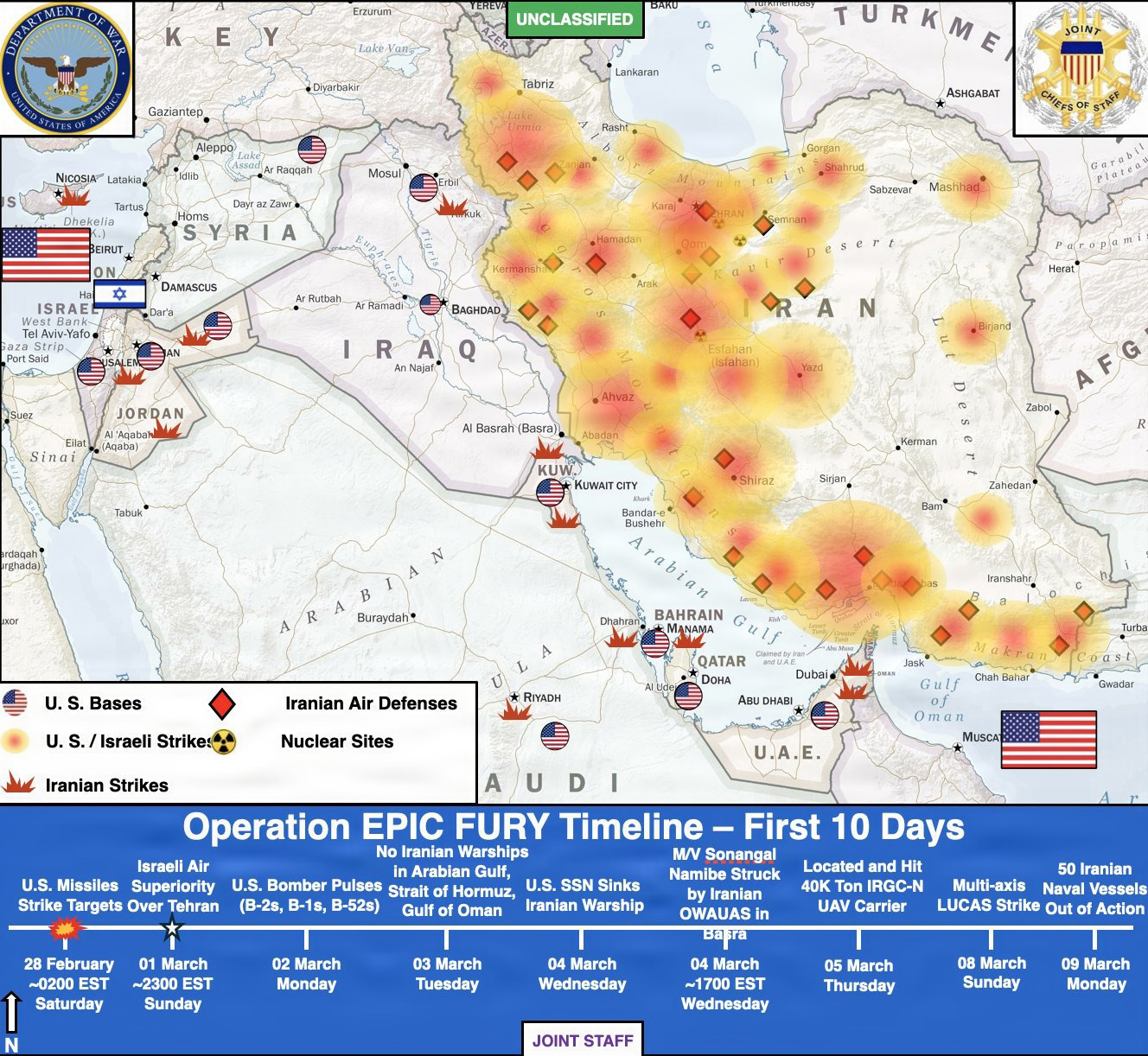
According to Dr. Omar Mohammed of George Washington University, this represents a specific strategic doctrine. The U.S. demonstrated it could reach the most secure office in Tehran without triggering a full-scale urban battle. This creates a “capability gap” where the adversary knows their safest sanctuary is actually a target.
This trend suggests future conflicts will rely less on troop deployments and more on “intelligence-led kinetic strikes.” We are seeing a transition where the “center of gravity” in a war is no longer a city or a bridge, but a single room in a government palace.
Why the “off-ramp” strategy often fails in practice
The operation followed a specific pattern: execute a devastating blow, then immediately offer a diplomatic exit. President Trump confirmed this approach, stating the strike served as a message to Iran that they could either accept a new set of terms or face further escalation.

However, the aftermath shows a glaring disconnect between U.S. strategic assumptions and the reality of regime survival. While Dr. Mohammed argues that a “rational state” would have taken the exit, Tehran did the opposite. They fired on Israel and struck targets in Bahrain, Kuwait, Qatar, and the UAE.
This suggests that for certain regimes, the “off-ramp” is perceived as a surrender that would trigger internal collapse. When a leadership is decapitated, the remaining officials often escalate to prove their strength to their own domestic base, even if it triggers a global energy crisis by closing the Strait of Hormuz.
Is Iran shifting from a theocracy to a hereditary monarchy?
The transition of power to Mojtaba Khamenei, son of the late leader, marks a fundamental shift in the Islamic Republic’s identity. The regime was founded on the principle of ending the Pahlavi monarchy, yet it has now effectively installed a dynastic succession.
Dr. Mohammed points to the language used by Foreign Minister Araghchi as evidence. By referring to the new leader as the “young Khamenei” replacing the “elderly Khamenei,” the regime is rewriting its own theology in real-time. Mojtaba lacks the traditional religious rank required for the position, yet he holds the power.
This trend toward “clerical monarchies” often leads to instability. When power is based on bloodline rather than religious or political merit, internal factions—such as the IRGC—may begin to vie for influence, creating a volatile internal environment that the U.S. and its allies can exploit through back-channel negotiations.
What happens to global energy when regional hubs are targeted?
The decision by Tehran to close the Strait of Hormuz following the strike provides a case study in “asymmetric escalation.” By targeting the flow of oil, Iran attempted to turn a localized military defeat into a global economic crisis.
Historically, this mirrors the 1973 oil crisis, but with a modern twist. Today’s global economy is more interconnected, meaning a closure of the Strait doesn’t just raise gas prices; it halts the supply chain for plastics, pharmaceuticals, and electronics. The “months-long war” that followed the strike shows that precision weapons can kill a leader, but they cannot easily stabilize a global market once a regional power decides to weaponize geography.
Comparing the Strategic Outcomes
| Strategy | Intended Result | Actual Outcome |
|---|---|---|
| Surgical Strike | Leadership removal w/o total war | Successful decapitation |
| The “Off-Ramp” | Rapid de-escalation | Regional escalation & energy crisis |
| Succession | Stable transition | Shift toward hereditary monarchy |
Frequently Asked Questions
What was Operation Epic Fury?
A joint U.S.-Israeli precision mission that targeted and killed Iranian Supreme Leader Ali Khamenei and several top security officials in their compound.
Who is Mojtaba Khamenei?
The son of Ali Khamenei, who assumed the role of Supreme Leader following the February 28 strike, signaling a shift toward hereditary power in Iran.
What is the “off-ramp” doctrine?
A national security strategy where a state demonstrates overwhelming precision power to force an adversary into a diplomatic agreement without needing a full-scale occupation.
Want to stay ahead of the curve on global security trends?
Join our newsletter for deep-dive analyses on the intersection of technology and geopolitics, or share your thoughts on the “off-ramp” strategy in the comments below.