

Iran war day 106: US and Iran say deal close but Lebanon fighting continues | Conflict News
The United States and Iran are nearing a deal to end their war, with Pakistan Prime Minister Shehbaz Sharif confirming a “final, agreed-upon text” has been drawn up. According to officials, the agreement hinges on a multi-front ceasefire and the release of frozen Iranian assets, though critical “next steps” remain pending as of June 13, 2026.
What are the terms of the proposed US-Iran agreement?
The proposed memorandum of understanding focuses on three primary pillars: a comprehensive ceasefire, the lifting of the Strait of Hormuz blockade, and a mechanism to unfreeze Iranian assets. Iranian Foreign Minister Abbas Araghchi stated that an agreement has “never been closer,” though he cautioned against media speculation before the finalization.

A significant point of contention involves the financial terms. State media, citing senior official Mohsen Rezaei, reports that President Donald Trump agreed to release $24 billion in frozen Iranian assets. However, Trump has not publicly acknowledged this figure and previously dismissed reports of the deal as “fake news.”
Why is Lebanon considered the “litmus test” for the deal?
Securing a ceasefire in Lebanon is the primary indicator of whether the broader US-Iran deal can succeed. Al Jazeera’s Mohamed Vall reports that while Araghchi views internal Iranian disagreements as “manageable,” the Lebanese front remains volatile.

Actual conditions on the ground currently contrast with diplomatic optimism. Al Jazeera’s Heidi Pett reports that Israel has renewed attacks on the Tyre and Nabatieh districts, issuing forced displacement orders for over 20 communities. Pett notes there is “no sign of a slowdown” in the fighting.
Former US diplomat Henry Ensher warns that any Israeli withdrawal from southern Lebanon would be a “process” rather than a sudden event. Ensher told Al Jazeera that the current agreement is likely a “start to a process at most” rather than a final settlement, given Iran’s long-term use of Lebanon as a foreign policy instrument.
How is the Trump administration balancing rhetoric with diplomacy?
President Trump has maintained a contradictory public stance. While he has accused Iran of leaking inaccurate details and described Tehran as “very dishonourable,” he recently reposted Araghchi’s remarks about the deal’s proximity. Al Jazeera’s Alan Fisher reports that Trump has urged Iran to “get their act together” quickly.
This public aggression contrasts with the messaging from other high-ranking officials. Vice President JD Vance stated that progress is being made and that Iran could receive incentives upon meeting specific “benchmarks.”
Washington-based analyst Mike Hanna suggests this shifting rhetoric is a calculated move. Hanna argues Trump is seeking an “off-ramp” to avoid the economic and political costs of a prolonged conflict, using tough language to maintain leverage while privately pursuing a resolution.
What is the current status of the Strait of Hormuz?
Maritime tensions remain high despite the diplomatic talks. CENTCOM recently reported that US forces intercepted multiple Iranian attack drones targeting commercial ships in the Strait of Hormuz. CENTCOM confirmed that maritime traffic remained uninterrupted despite the incursions.
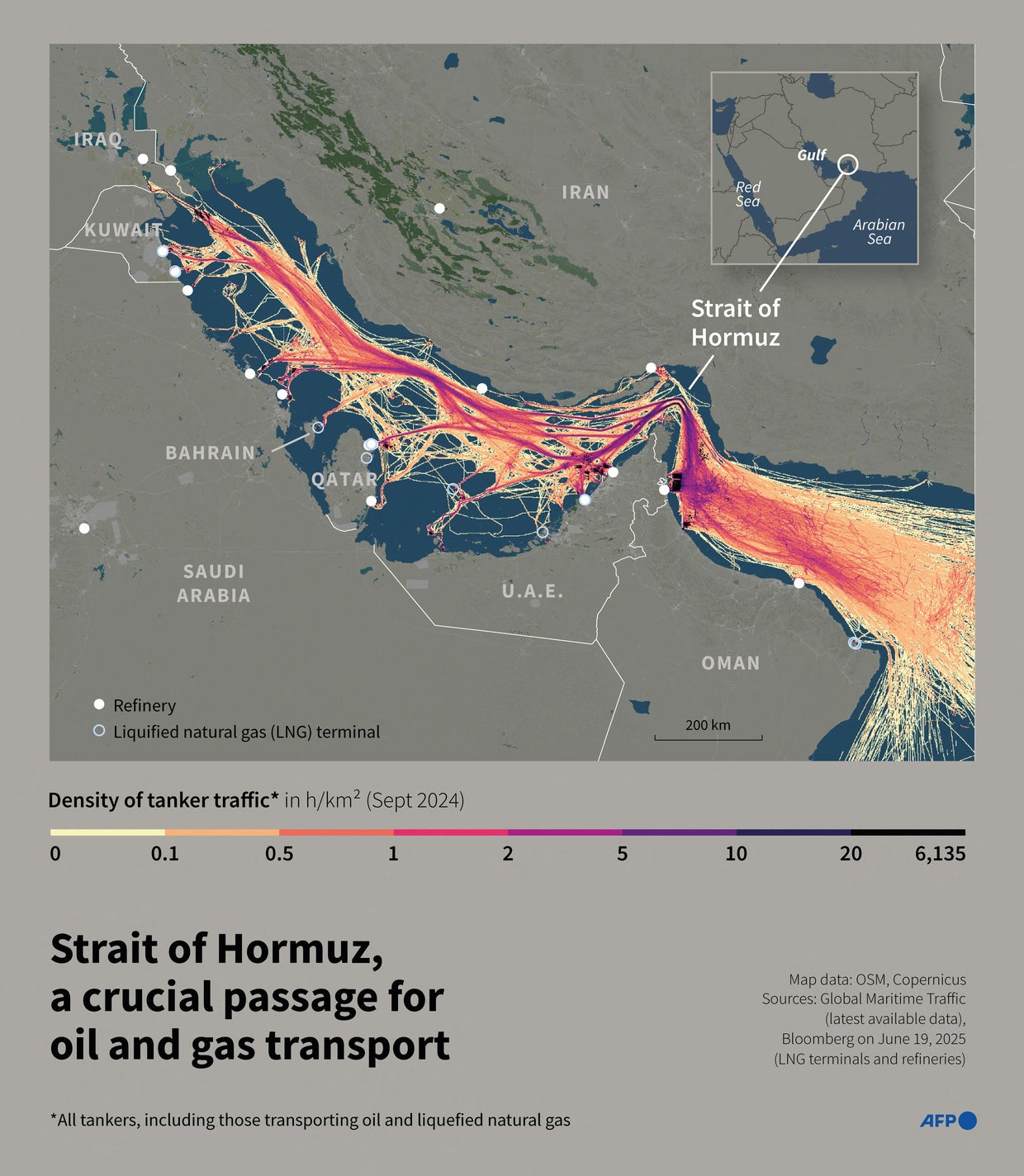
The lifting of the blockade is a core requirement of the Iranian side. The tension between ongoing drone attacks and the “final text” of the deal suggests that trust remains low even as the technical details of the agreement are settled.
Comparison: Reported vs. Acknowledged Terms
| Issue | Iranian/Mediator Claim | US Official Stance |
|---|---|---|
| Asset Release | $24 billion to be unfrozen (Rezaei) | Not publicly acknowledged; called “fake news” (Trump) |
| Deal Status | “Final, agreed-upon text” (PM Sharif) | Progress being made via “benchmarks” (VP Vance) |
| Lebanon | Included in ceasefire (Araghchi) | Withdrawal is a complex “process” (Ensher) |
Frequently Asked Questions
Is the US-Iran deal officially signed?
No. Pakistan Prime Minister Shehbaz Sharif stated that while a final text exists, certain “next steps” must still be completed before the deal is finalized.
How much money would Iran receive?
Iranian official Mohsen Rezaei claims $24 billion in frozen assets would be released, though the Trump administration has not confirmed this figure.
Will the deal stop the fighting in Lebanon?
A ceasefire across all fronts, including Lebanon, is a primary component of the first phase of the deal. However, current Israeli military activity in Nabatieh and Tyre suggests fighting has not yet slowed.
Who is mediating the talks?
Pakistan has played a key role in mediating the negotiations between Washington and Tehran.
What do you think? Will the Lebanon ceasefire hold, or will it derail the broader US-Iran agreement? Share your thoughts in the comments below or subscribe to our newsletter for real-time diplomatic updates.