
Iran Warns US and Israel Over Ongoing War in Lebanon
What Drives Iran’s Diplomatic Posture in 2026?
Iran’s Foreign Minister Abbas Araghchi confirmed on June 3, 2026, that formal negotiations with the United States remain suspended, but “messages are still being exchanged.” This statement, reported by PressTV, underscores a strategic pause in direct diplomacy while maintaining backchannel communication. Araghchi emphasized that any resumption of talks would hinge on “conditions conducive to Iran’s national interests,” citing the need to end conflicts in both Iran and Lebanon.
According to a 2023 report by the International Crisis Group, Iran’s approach to U.S. diplomacy has historically prioritized leverage through regional alliances and proxy conflicts. The current stance aligns with this pattern, balancing public defiance with covert engagement.
How Do Regional Conflicts Influence Negotiation Dynamics?
The reference to Lebanon highlights the intertwined nature of Iran’s security concerns. Hezbollah, a key Iranian ally, has been involved in ongoing clashes with Israeli forces along the border. A 2025 analysis by the Carnegie Endowment for International Peace noted that “Iran’s willingness to engage in dialogue often correlates with the intensity of its regional proxies’ conflicts.”
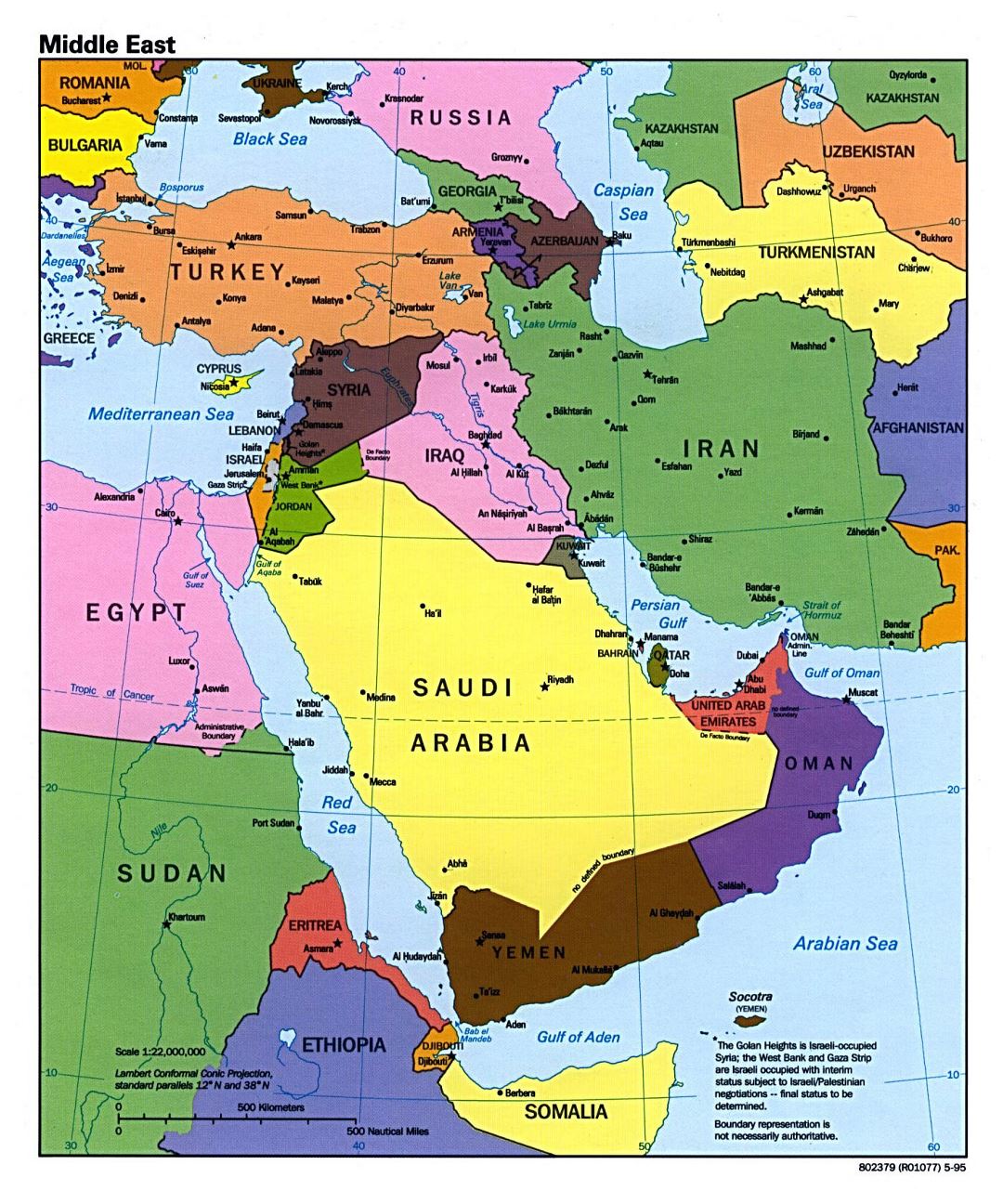
Araghchi’s declaration that “either the war ends in both places, or it continues in both places” reflects this logic. The statement suggests Iran’s leadership views its involvement in Lebanon as inextricably linked to its broader geopolitical goals, including countering U.S. influence in the Middle East.
What Are the Historical Precedents for Iran’s Negotiation Tactics?
Iran’s current approach mirrors its 2015 nuclear deal with global powers, which involved phased negotiations and conditional commitments. However, the 2018 U.S. withdrawal from the agreement under former President Donald Trump demonstrated the fragility of such arrangements.
Recent diplomatic efforts, such as the 2022 talks in Baghdad between U.S. and Iranian officials, have also stalled due to mutual distrust. A 2024 study by the University of Tehran’s Center for Strategic Studies found that “Iranian policymakers often use negotiation as a tool to delay adversarial actions rather than achieve immediate resolutions.”
Why Is Lebanon a Critical Component of Iran’s Strategy?
Lebanon’s stability directly impacts Iran’s regional influence. The country’s government, heavily backed by Hezbollah, has faced economic collapse and political paralysis since 2019. A 2026 report by the World Bank highlighted that “Lebanon’s crisis has created a power vacuum that Iran seeks to fill through its proxy networks.”
Araghchi’s emphasis on ending the “war in Lebanon” may signal a shift toward de-escalation, but analysts caution that this could be a strategic move to free up resources for other fronts. “Iran’s priorities are fluid,” said Dr. Lina Khatib, a senior fellow at Chatham House. “What matters is maintaining its leverage across the region.”
What Trends Could Shape Future Iran-U.S. Relations?
Several factors may influence whether negotiations resume. The 2026 U.S. presidential election could alter Washington’s approach to Iran, while internal Iranian politics may pressure leaders to adopt a harder line. A 2025 poll by the Iranian Center for Strategic Research showed 68% of respondents supported “a stronger stance against U.S. interventionism.”
Regional developments, such as a potential Israeli strike on Iranian nuclear facilities, could also force a reassessment. The International Atomic Energy Agency reported in April 2026 that Iran had increased its uranium enrichment levels, raising concerns among Western allies.
Did You Know?
Iran’s foreign ministry has maintained a dedicated “diplomatic messaging” unit since 2019, according to a 2023 leak by the Iranian Press Association. This team facilitates communication with U.S. officials through third-party intermediaries, such as Iraqi or Qatari intermediaries.
How Can Readers Stay Informed on This Developing Story?
Follow updates from the International Crisis Group’s Iran section and the U.S. State Department’s Middle East bureau. For real-time analysis, subscribe to newsletters like The Diplomat or Al-Monitor.

Pro tip: Track statements from Iran’s Supreme Leader Ali Khamenei, as his rhetoric often sets the tone for official policy shifts.
FAQ: Key Questions About Iran’s Diplomatic Outlook
Why are Iran-U.S. negotiations stalled in 2026?
According to Araghchi, “conditions are not conducive” for formal talks. The U.S. has maintained sanctions on Iran, while Tehran continues to expand its nuclear program, per IAEA reports.
What role does Lebanon play in Iran’s strategy?
Hezbollah’s presence in Lebanon allows Iran to project power without direct military engagement. A 2025 study by the Brookings Institution noted that “Lebanon’s instability is a strategic asset for Iran’s regional ambitions.”
How might the 2026 U.S. election affect Iran policy?
Republican candidates have generally advocated for a harder line against Iran, while Democrats emphasize diplomacy. However, the outcome remains uncertain, with both parties prioritizing national security concerns.
Learn more about Iran’s regional dynamics from the International Crisis Group.