
Trump Claims Iran Agrees to Extensive Nuclear Inspections
President Donald Trump announced on Tuesday that Iran has agreed to high-level nuclear inspections, a move he says will ensure “nuclear honesty.” The agreement, which Trump described as lasting “into the future (Infinity!!!),” serves as a condition for continued negotiations between Washington and Tehran. In exchange, the U.S. has agreed to keep the Strait of Hormuz open, halting plans for a potential naval blockade, though military assets remain in the region as a precaution.
Did You Know? Despite Iran becoming a signatory to the UN Convention on the Law of the Sea (UNCLOS) in 1982, the country never ratified the treaty, leading Tehran to maintain that it is not bound by the agreement’s transit passage rules regarding the Strait of Hormuz.
Status of Nuclear Inspections and Oversight
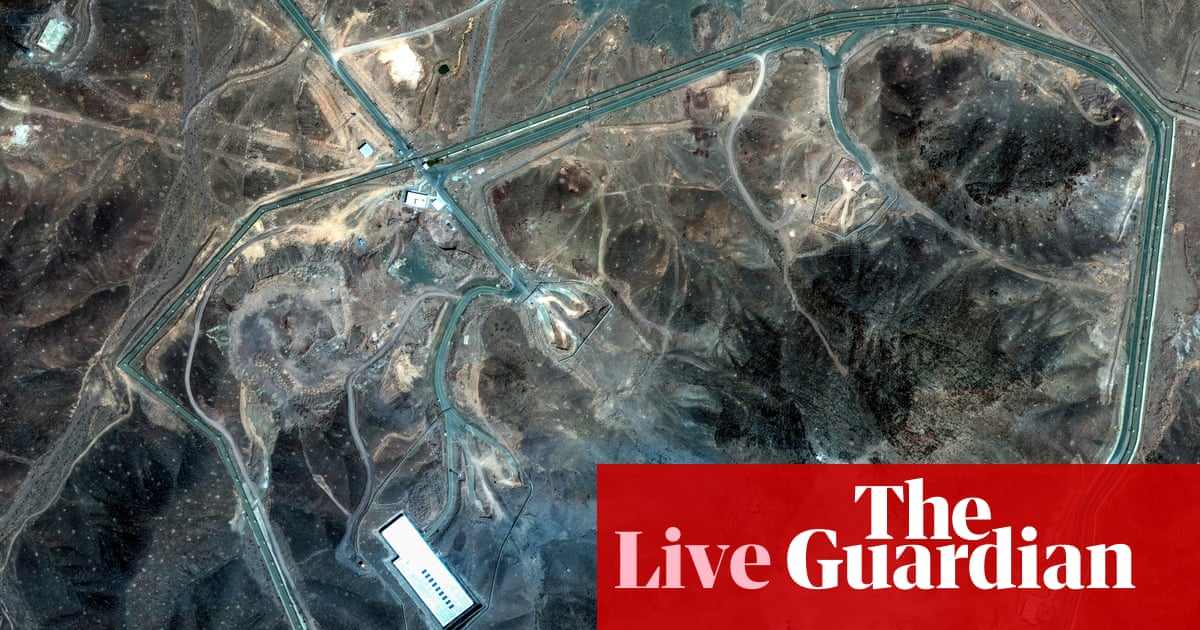
While President Trump signaled a breakthrough regarding inspections, Iranian officials have presented a different outlook. Foreign ministry spokesperson Esmaeil Baghaei stated on Tuesday that Iran has no current plans for the International Atomic Energy Agency (IAEA) to inspect nuclear facilities that were damaged during U.S. and Israeli military strikes last year. According to Baghaei, Iran’s ongoing interaction with the IAEA remains subject to approval from the Iranian parliament and the Supreme National Security Council.

The discrepancy between the White House’s claims and Tehran’s stated position highlights a significant gap in the current diplomatic process. While the U.S. administration frames the agreement as a path toward transparency, Iranian officials emphasize that no new commitments regarding their nuclear program were accepted during recent talks in Switzerland.
Navigation in the Strait of Hormuz
The future of shipping through the Strait of Hormuz remains a primary point of negotiation. Iran and Oman have announced the formation of a joint committee to oversee the “administration of navigation” in the waterway, including associated costs and services. Under a memorandum of understanding, Iran is expected to ensure toll-free passage for commercial vessels for at least 60 days.
However, uncertainty persists regarding the post-60-day period. Mohammad Bagher Ghalibaf, Iran’s chief negotiator, has stated that Tehran intends to begin charging fees for services, asserting that Iran maintains sovereignty over the strait. Secretary of State Marco Rubio is scheduled to visit the United Arab Emirates, Kuwait, and Bahrain to discuss these navigation efforts and the broader memorandum of understanding.
Expert Insight
Expert Insight: The dual-track nature of these negotiations—balancing nuclear transparency with freedom of navigation—creates a high-stakes environment where any regional escalation, such as the recent fatal Israeli strike in southern Lebanon, threatens the stability of the entire agreement. The reliance on a memorandum of understanding rather than a fully ratified treaty leaves the framework vulnerable to shifts in political will in both Washington and Tehran.
Potential Next Steps
Diplomatic efforts may continue with Pakistan acting as a mediator, following the arrival of Iranian President Masoud Pezeshkian and Foreign Minister Abbas Araghchi in Islamabad. Analysts expect that if the memorandum of understanding is violated—specifically regarding attacks on Lebanon or Hezbollah—Iran may respond, which the Iranian ambassador to the UN in Geneva warned would jeopardize the ongoing peace talks. Meanwhile, the U.S. maintains the capacity to reinstitute a naval blockade if the current diplomatic concessions from Iran fail to materialize into lasting policy changes.
Frequently Asked Questions
What did Iran agree to regarding nuclear inspections?
According to President Trump, Iran has agreed to the “highest level nuclear inspections.” However, Iranian foreign ministry spokesperson Esmaeil Baghaei stated that there are no plans for the IAEA to inspect facilities damaged by U.S. and Israeli strikes.
Is the Strait of Hormuz currently blocked?
No. President Trump announced that he has agreed to allow the strait to remain open, though he noted that U.S. ships remain in place should a blockade become necessary in the future.
What is the status of the memorandum of understanding?
The agreement requires Iran to provide toll-free passage for commercial vessels for at least 60 days. U.S. Secretary of State Marco Rubio is traveling to the Gulf to discuss the implementation of this memorandum with regional leaders.
How do you believe the current diplomatic framework will impact the stability of global oil transit in the coming months?