
Iranian Filmmakers Skirt Crackdowns with Sundance-Winning Film
A covertly shot Iranian feature film, The Friend’s House is Here, earned a jury award for ensemble cast at the 2026 Sundance Film Festival, highlighting the extreme pressures faced by artists working under war, protest and government crackdowns.
Behind the Lens: Production in a Conflict Zone
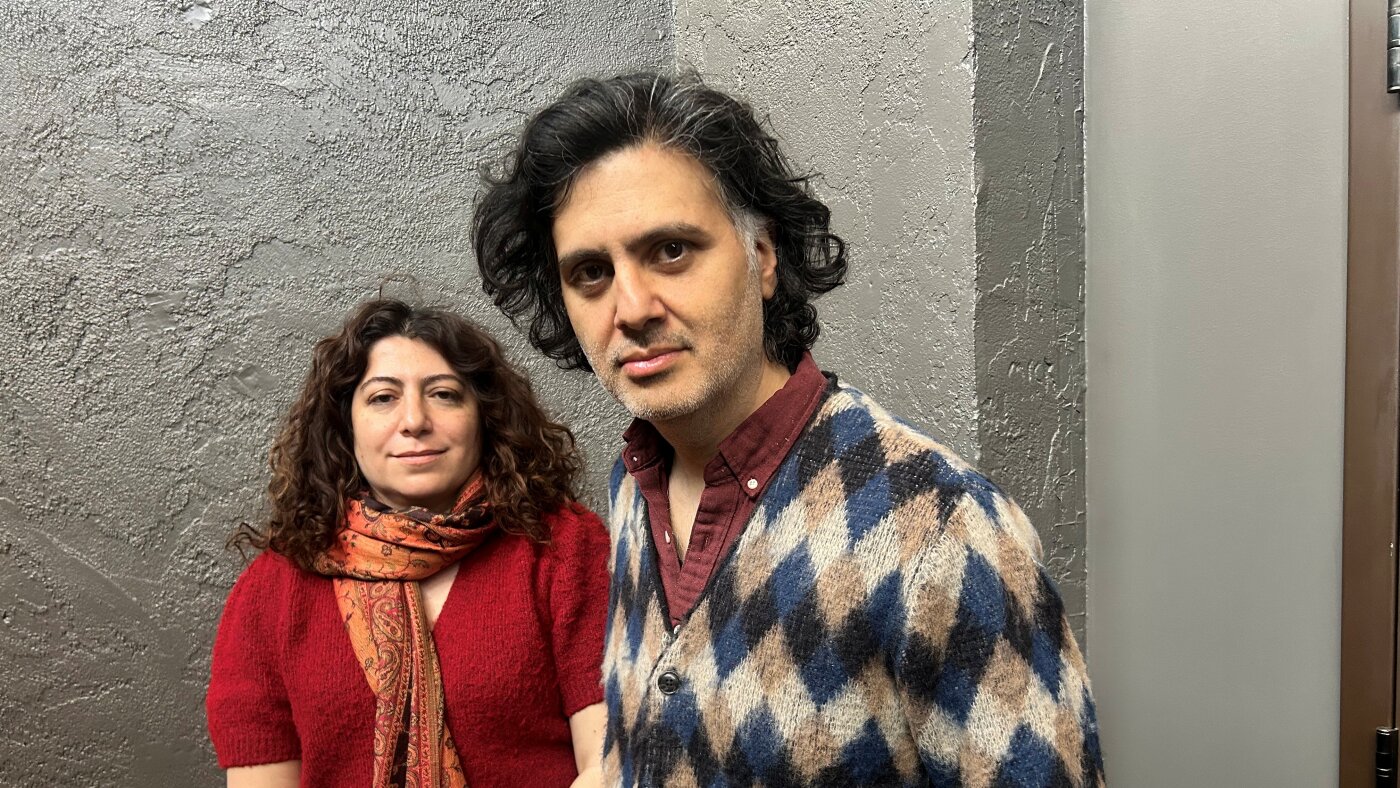
Directors Maryam Ataei (45) and Hossein Keshavarz (48) filmed the Persian‑language drama after the summer Iran‑Israel war, capturing Tehran’s underground art scene. They concealed cameras, limited takes to one or two on the streets, and relied on trusted friends and family as extras to avoid detection.
Shooting concluded in October, but by January the Iranian government imposed a nationwide internet blackout amid escalating protests, intensifying the filmmakers’ stress about meeting Sundance deadlines.
Health Risks for Artists and Crew
During a protest, an actress from the film was shot in the face with pellet bullets and could not seek hospital care for fear of arrest, relying on nurses and doctors to protect her vision. The incident underscores how political repression can impede access to urgent medical treatment.
Both directors described chronic stress: Ataei recalled “we were so stressed out” while Keshavarz noted the constant threat of “spies” and the need to hide equipment. Such sustained anxiety can have lasting mental‑health consequences for creators working in hostile environments.
Broader Public‑Health Implications
The crackdown on artists mirrors wider attacks on civilians; NPR reports thousands have been arrested or killed since the start of the year. When authorities suppress dissent, communities may experience heightened fear, limited access to health services, and increased trauma.
Internet shutdowns further isolate populations, restricting the flow of health information and emergency coordination, which can exacerbate the impact of injuries like those suffered by the film’s actress.
Future Outlook
Given the continued governmental restrictions, the filmmakers could face further obstacles in securing visas for future festivals, and the health of participants may remain at risk if protests persist. Their next projects, including an animated feature set in ancient Iran, may encounter similar logistical and safety challenges.
International attention to their story may encourage advocacy for safer conditions for artists, but without policy changes, the cycle of risk and stress is likely to continue.
Frequently Asked Questions
What obstacles did the filmmakers encounter while producing the film?
They shot covertly, hid cameras, limited street takes, feared being reported by spies, and could only use close friends and family as extras. After filming, a hard‑drive containing the footage was smuggled across the border to Turkey.
How did the Iranian government’s actions affect the film’s production?
War, street protests, and a nationwide internet blackout created logistical delays and heightened stress. The crackdown also led to arrests and killings of protesters, and an actress was injured during a protest, unable to seek hospital care without risking arrest.
Why were the film’s two main actresses unable to attend the Sundance premiere?
A U.S. Travel ban prevented them from obtaining visas from the State Department, blocking their travel to the premiere despite the film’s success at Sundance.
What do you think could be done to protect the health and safety of artists working under such repressive conditions?