

Is Artificial Turf Safe? The Health Risks of Synthetic Grass
FIFA has mandated natural-grass surfaces for all World Cup games, including the June 12 match between the U.S. and Paraguay at SoFi Stadium, to reduce player injury and heat risks. While a California EPA study found “negligible” long-term health risks from synthetic turf chemicals, some researchers argue the methodology is flawed.
Why is FIFA banning synthetic turf for the World Cup?
FIFA prohibits synthetic turf in World Cup games due to an established increase in player injury risk. The organization also cites the material’s poor solar radiation, which allows surfaces to reach temperatures up to 200 degrees Fahrenheit (93 degrees Celsius), causing severe turf burns.
To meet these standards, stadiums like SoFi and New York New Jersey Stadium are using “hybrid turf.” Aaron Golembiewski, head of business development at Turftalents, states this surface is 99.5% natural grass with 0.5% plastic or biodegradable polymer stitching.
What health risks are associated with artificial turf infill?
More than 95% of the 18,000 to 19,000 synthetic turf fields in the U.S. use tire-crumb infills. Rachel Massey, an environmental health researcher at the University of Massachusetts Lowell Center for Sustainable Production, says these crumbs created a chemical exposure situation that had never existed previously.
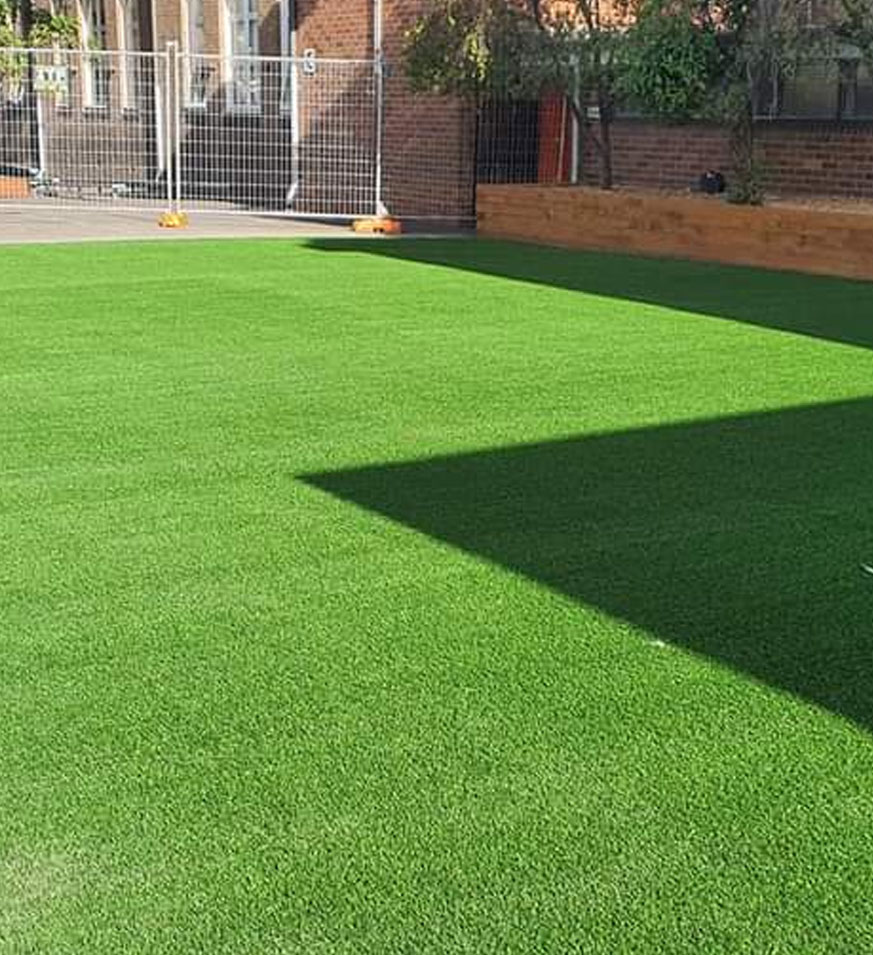
Researchers have identified nearly 400 chemicals in turf tied to health risks ranging from asthma to leukemia. The California Office of Environmental Health Hazard Assessment (OEHHA) detected zinc at levels above U.S. regulatory guidelines, which may cause anemia, reduce fertility, and damage the pancreas.
Other detected substances include benzene, linked to leukemia, and toluene, which is toxic to the liver, kidneys, and nervous system. Additionally, 6PPD—a tire additive—can degrade into 1,3-DMBA, a stimulant banned by the World Anti-Doping Agency.
Does the California EPA study prove synthetic turf is safe?
A 10-year study by the OEHHA found “no acute risks” for players, referees, and spectators. Toxicologist Jocelyn Claude stated that risks for long-term health effects, such as reproductive harm or cancer, were “negligible.”
However, Andrew Watterson, a professor emeritus of public health at the University of Stirling, argues the study is flawed. Watterson claims researchers should have taken urine or expelled-air samples from real people rather than estimating exposure using synthetic bodily fluids in lab dishes.
Rachel Massey further argues that the U.S. risk assessment approach is incorrect. She suggests the focus should move from asking if a risk is “acceptable” to how to create the healthiest playing surface for children.
What may happen next for athletic surfaces?
The European Union announced a ban on the sale of products containing intentionally added microplastics, effective in 2031. Because the EU named granular turf infill as the largest source of intentional microplastics in the environment, U.S. markets could see a similar shift toward alternatives.

Scientists may continue developing hybrid turf, which Golembiewski notes is cheaper to install and lasts longer than synthetic turf. Additionally, Garnet Brownbill of the Natural Turf Alliance suggests municipalities could adopt high-heat or high-wear resilient grass cultivars to replace outdated 100-year-old grass technology.
Environmental concerns may also drive changes. In Vancouver, 6PPD-Q in stormwater runoff has been linked to mass die-offs of coho salmon, which could lead to more stringent groundwater modeling for future installations.
Frequently Asked Questions
What is hybrid turf?
According to Turftalents, hybrid turf consists of 99.5% natural grass and 0.5% stitching material made of plastic or a biodegradable polymer.
What is 1,3-DMBA and why is it a concern?
1,3-DMBA is a stimulant banned by the World Anti-Doping Agency. It is a degradation product of 6PPD, a substance added to tires, and was found to be the source of banned substances in samples from eight Norwegian female professional soccer players.
What are the risks of microplastics in turf?
The source states microplastics may accumulate in the body through inhalation, skin contact, or ingestion. Early research suggests they could promote blood clots, damage blood vessel linings, or link to inflammatory bowel disease and asthma.
Do you believe professional sports leagues should mandate natural grass for all youth sports fields as well?