
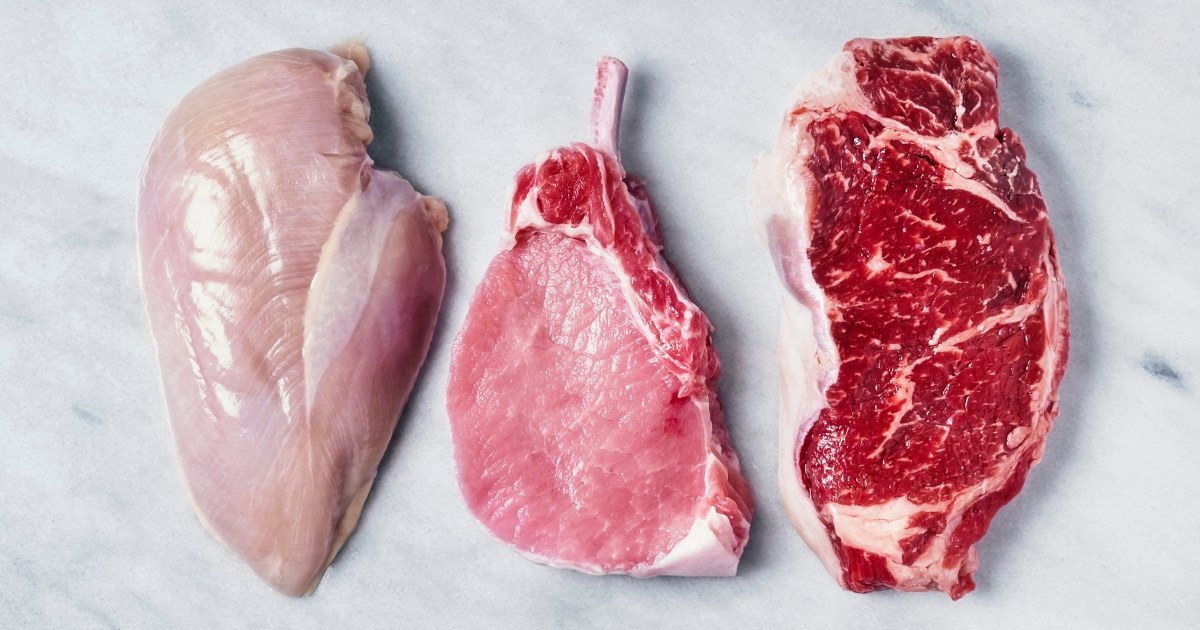
Is It Healthy to Eat Meat Every Day? Dietitian Reveals the Answer
For most Americans, meat is a staple—not just a weekly treat but a fixture at nearly every meal. With protein, iron, and vitamin B12 abundant in many cuts, the question isn’t whether meat can fit into a daily diet, but how to make those choices work for long-term health. Registered dietitian and nutrition editor Natalie Rizzo clarifies that while meat offers essential nutrients, the type, preparation, and balance with other foods determine its role in a healthy lifestyle.
Why Meat’s Nutritional Role Varies Widely
Meat isn’t a monolithic food group. Lean options like chicken breast, turkey, and pork tenderloin deliver high protein with minimal saturated fat, aligning with dietary guidelines. In contrast, fattier cuts—such as certain pork or beef varieties—contain higher levels of saturated fat, which the American Heart Association links to elevated LDL cholesterol and potential long-term heart risks. For adults consuming 2,000 calories daily, saturated fat should not exceed 13 grams (6% of total calories), a threshold that can be quickly reached with frequent fatty meat consumption.
Fish presents a distinct advantage. Fatty fish like salmon and tuna provide heart- and brain-supporting fatty acids, while lean fish such as cod and branzino offer protein with fewer calories. Processed meats—including deli slices, nuggets, and meat sticks—pose additional concerns due to their high sodium content and association with increased colon cancer risk, according to dietitians.
How to Eat Meat Daily Without Compromising Health
Rizzo emphasizes that smart choices can make daily meat consumption sustainable. Prioritizing lean proteins—poultry, fish, and select pork cuts—reduces saturated fat intake while meeting protein needs. Her personal recommendation limits red meat to once weekly, citing its higher saturated fat content. Cooking methods also matter: grilling can produce carcinogens in charred foods, while poaching, stewing, or roasting may offer healthier alternatives. Using oils like olive or avocado oil instead of added fats further improves nutritional balance.
Equally important is what accompanies the meat. Dietitians advise building meals around plants—vegetables, fruits, legumes, and whole grains—to diversify nutrient intake and fiber. For those curious about reducing meat, smaller portions paired with plant-based proteins or meatless days could offer both health and environmental benefits.
What Could Change the Conversation Around Meat?
Future dietary guidance may evolve as research deepens on processed meats and red meat’s long-term impacts. Public health campaigns could further emphasize balanced plates, while culinary trends may popularize plant-based alternatives or hybrid dishes. For now, individual choices—selecting cuts, cooking methods, and meal pairings—remain the most direct way to align meat consumption with health goals.

Frequently Asked Questions
Can you eat meat every day and stay healthy?
Yes, if you focus on lean proteins like poultry, fish, and select pork cuts, limit red meat to once weekly, and balance meals with plant-based foods. Avoiding processed meats and mindful cooking methods also help.
Why is red meat less recommended than chicken or fish?
Red meat tends to have higher saturated fat content, which is linked to higher LDL cholesterol and potential heart risks. Chicken and fish, especially lean varieties, provide similar protein with less saturated fat.
Are there healthier ways to cook meat?
Methods like poaching, stewing, or roasting may be healthier than frying or grilling, as the latter can create carcinogens in charred foods. Using healthier oils like olive or avocado oil also improves nutritional balance.
How do you balance your meals when meat is part of your daily diet?