
Israel and Hezbollah Ceasefire Strained by Renewed Fighting and Tensions
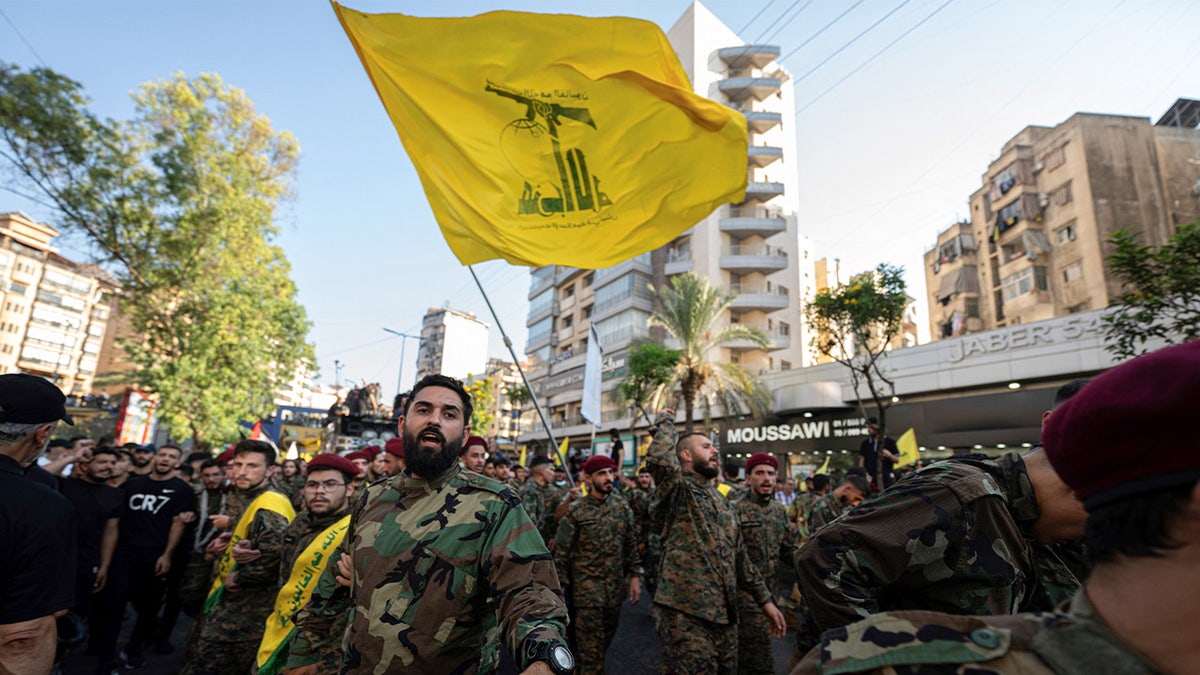
Despite ongoing military exchanges, an unnamed American representative told Reuters that a ceasefire between Israel and Hezbollah remains in effect. The agreement, brokered with assistance from Qatar and the United States, faces significant strain as Iran—which sponsors and effectively directs the Lebanon-based movement—remains central to the diplomatic process.
Diplomatic efforts to stabilize the region are multifaceted; while the U.S. and Qatar serve as primary mediators, Iran’s involvement is considered essential to the functionality of the agreement due to its role in sponsoring and directing Hezbollah.
Current Military Status and Casualties
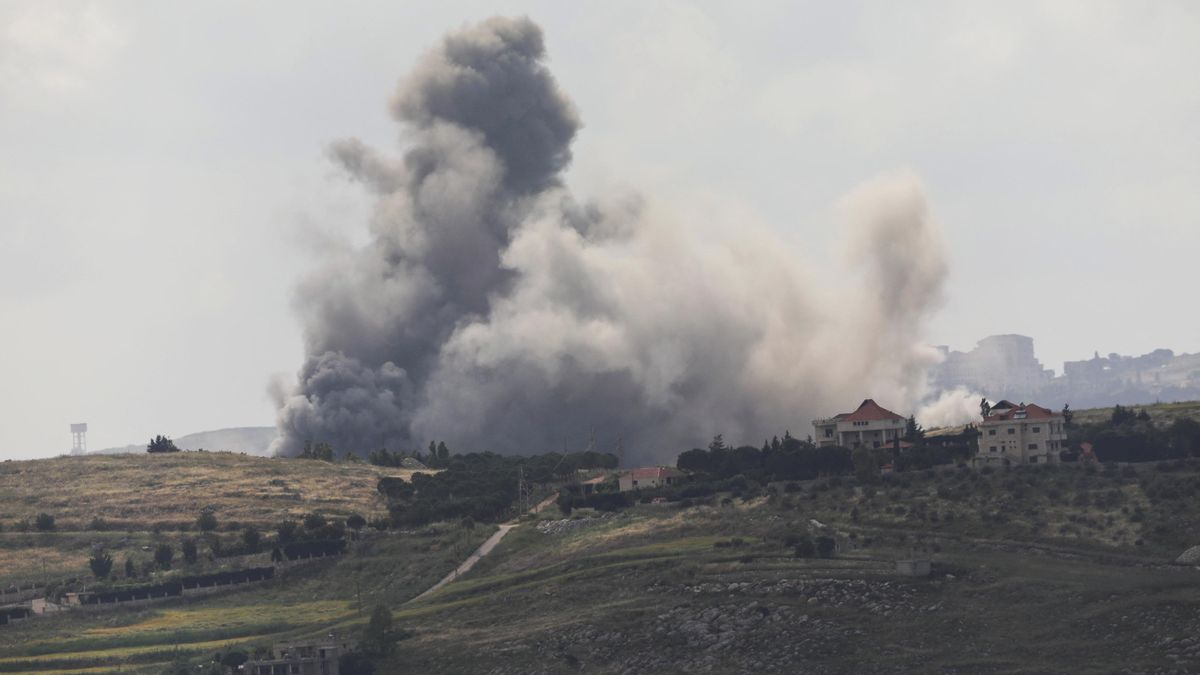
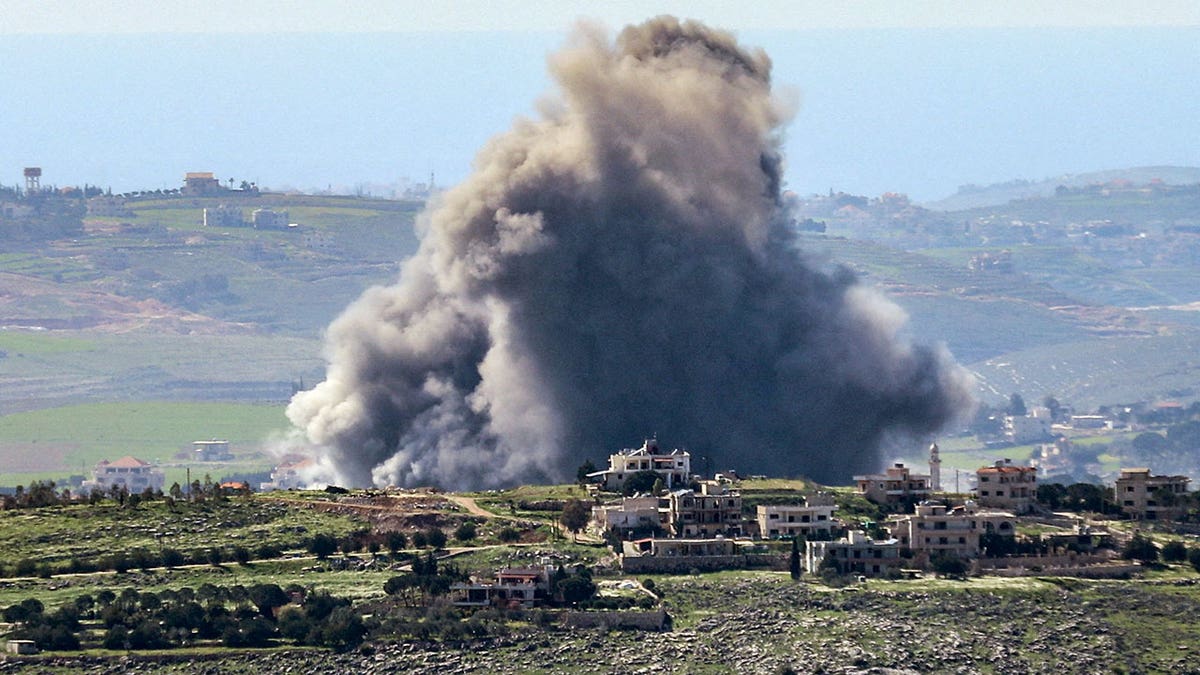
The Israeli military reported conducting several intensive strikes on Lebanon, targeting approximately 80 sites and killing dozens of Hezbollah members. According to the Lebanese Ministry of Health, these strikes resulted in at least 21 deaths.
Israel also confirmed combat losses in southern Lebanon. Four Israeli soldiers, including one lieutenant colonel, were killed in overnight fighting. A separate attack left an additional soldier seriously wounded.
The volatility of the current situation suggests that diplomatic agreements in this theater are highly fragile. Samantha Carter notes that the disconnect between high-level mediation and tactical-level military action creates a “stop-start” diplomatic environment where military losses—such as the death of senior Israeli officers—directly influence the willingness of state actors to engage in further negotiations.
Diplomatic Implications and Future Outlook
Ongoing hostilities have already disrupted international diplomacy. According to diplomatic sources, scheduled talks between the United States and Iran in Switzerland were postponed after Tehran insisted that negotiations could not proceed without a “total ceasefire.”
The situation may continue to escalate if regional leaders maintain their current rhetoric. Prime Minister Benjamin Netanyahu stated that Israel would demand a “very high price” for attacks against its territory or soldiers. Defense Minister Israel Katz announced that the military intends to maintain a presence in Lebanon from the coast to the Beaufort fortress area. Furthermore, Minister of National Security Itamar Ben Gvir has publicly called for aggressive military action.
Analysts expect that the current ceasefire may face challenges similar to the agreement between Israel and Lebanon that began on April 16, which has struggled to maintain stability. If the current cycle of violence persists, the prospects for renewed U.S.-Iran diplomatic talks are likely to remain stalled.
Frequently Asked Questions
Who is mediating the ceasefire between Israel and Hezbollah?
The agreement is mediated by the United States and Qatar, with involvement from Iran, which sponsors and directs Hezbollah.
Why were the U.S.-Iran talks in Switzerland postponed?
According to diplomatic sources, the talks were delayed because Iran insisted that negotiations could not continue without the implementation of a “total ceasefire” in Lebanon.
What is the current position of the Israeli military in Lebanon?
Defense Minister Israel Katz stated that the military intends to maintain a presence in southern Lebanon, extending from the coast to the Beaufort fortress line.
How do you believe the reliance on third-party sponsors impacts the longevity of regional ceasefire agreements?