

Israeli Strikes Threaten US-Iran Peace Deal
US-Iran peace framework talks are stalling after Israeli strikes in Beirut, according to Reuters. While President Donald Trump expected a signing on June 14, 2026, Iranian negotiator Mohammad Bagher Ghalibaf cited a lack of US “will and capacity” to fulfill commitments following the attacks.
Why are US-Iran peace talks stalling?
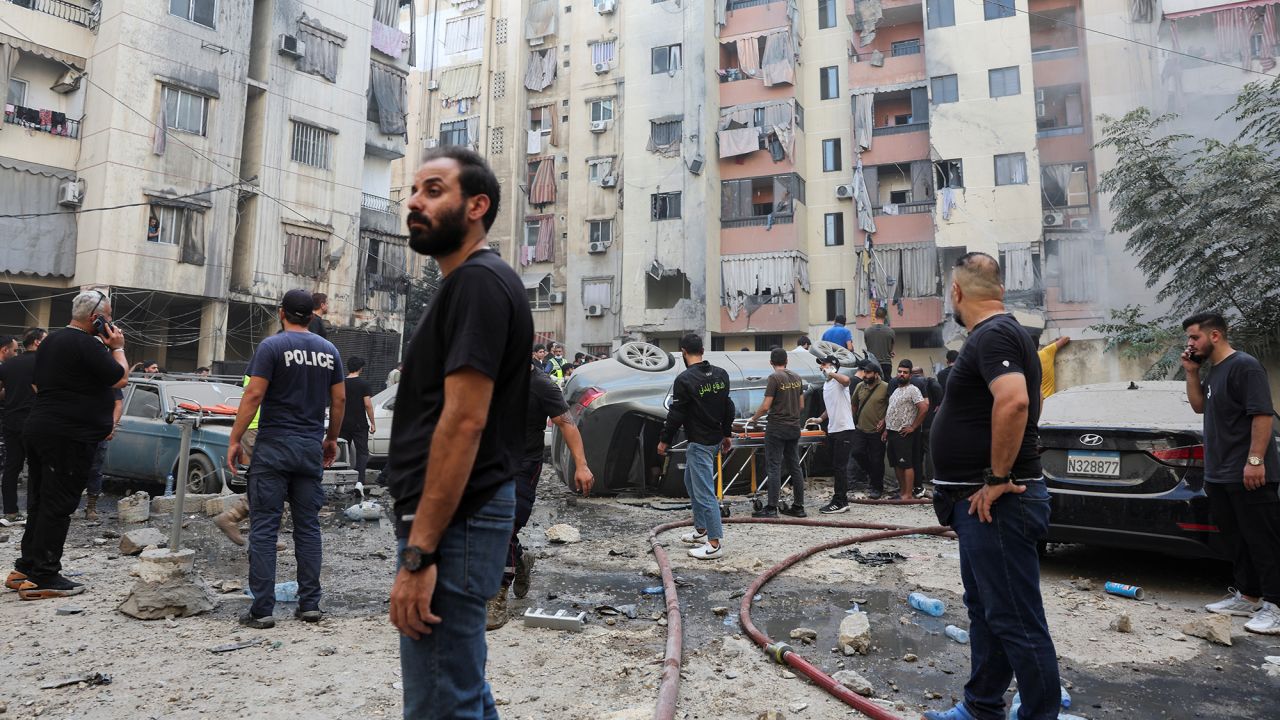
Israeli military operations in Lebanon have created a diplomatic rift. Mohammad Bagher Ghalibaf, Iran’s chief negotiator, stated on X that the path toward peace is impossible if the US cannot control its allies. This follows an Israeli strike on the southern suburbs of Beirut, which the Lebanese Civil Defense reported killed three people.
Israel maintains these attacks target Hezbollah militants. According to Reuters, Israeli Prime Minister Benjamin Netanyahu has clashed with President Donald Trump over US demands to limit military operations in Lebanon to facilitate the deal with Tehran.
What are the terms of the proposed framework agreement?
The draft agreement focuses on immediate economic relief and maritime security. A senior Iranian official told Reuters that the US would release $25 billion in frozen Iranian assets. In exchange, Tehran would agree to stop the production and possession of nuclear weapons.
The deal also addresses the naval blockade. President Trump stated on Truth Social that the Strait of Hormuz “will open for everyone” immediately upon signing. Sources from all negotiating parties confirm the US would lift its naval blockade of Iranian ports once the strait is open.
Timeline Contrast: Trump vs. Tehran
There is a documented discrepancy in how the two sides framed the signing date. According to Reuters, the timeline shifted as follows:
- The US Position: President Trump and Pakistani PM Shehbaz Sharif announced expectations for a signing on June 14, 2026.
- The Iranian Position: Foreign Ministry spokesperson Ismail Baghaei stated on June 13 that signing “will not be tomorrow,” though it could happen in the coming days.
- Current Status: Fars News Agency reports Tehran has not made a final decision, as experts continue to review political and legal technicalities.
How does the nuclear program impact the deal?
The nuclear file remains the most volatile component. The current framework proposes a 60-day window for technical negotiations. An Iranian official told Reuters that Tehran agreed to maintain the status quo—meaning no further uranium enrichment or facility expansion—until a final deal is reached.
The US goal is the total dismantling of the program. A US official stated the final objective is the destruction and removal of high-enrichment uranium stocks. This specifically targets the 440.9 kilograms of 60% enriched uranium that the International Atomic Energy Agency (IAEA) estimated Iran possessed before June 13, 2025.
According to IAEA metrics, that amount of uranium is sufficient to produce 10 nuclear weapons if further enriched. Iran denies seeking a bomb, claiming its program is for peaceful, civilian use.
What happens to global energy prices and the Strait of Hormuz?
The conflict has already destabilized global energy markets. Iran’s effective blockade of the Strait of Hormuz, a critical artery for global oil supplies, caused energy prices to spike. Simultaneously, the US Navy closed Iranian ports to exert economic pressure.
A diplomat participating in the talks told Fox News that Israeli airstrikes are actively sabotaging these efforts. The diplomat described the attacks as attempts to derail the agreement. This creates a cycle where maritime instability persists as long as the Beirut-Tehran-Washington triangle remains in conflict.
Internal Iranian pressure is also mounting. Reuters reported protests in Mashhad where demonstrators chanted “Death to whoever makes concessions,” specifically targeting Foreign Minister Abbas Araghchi. These protests reflect a growing influence of hardliners within the Islamic Revolutionary Guard Corps (IRGC), who have gained power since the war began on February 28.
Frequently Asked Questions
How much money is the US expected to release to Iran?
According to a senior Iranian official cited by Reuters, the draft agreement stipulates the release of $25 billion in frozen assets.

What is the specific nuclear requirement for the US?
The US seeks the removal and destruction of Iran’s highly enriched uranium, specifically the 60% purity stock identified by the IAEA.
Why is the Strait of Hormuz central to the deal?
The strait is a global oil chokepoint. Its closure has raised energy prices, and the US has tied the lifting of its naval blockade of Iranian ports to the reopening of the strait.
Who is opposing the deal inside Iran?
Hardline conservatives and members of the IRGC oppose the agreement, with protests reported in cities like Mashhad against diplomatic concessions.
What do you think about the viability of this peace framework? Share your thoughts in the comments below or subscribe to our newsletter for real-time geopolitical updates.