

Israel’s Strategic Diplomatic Pivot: The Significance of the New Fiji Embassy
Israel has officially expanded its diplomatic footprint in the Pacific with the opening of a new embassy in Fiji. This strategic move marks a return to the region, as Israel previously maintained a mission in Fiji from 1970 until the mid-1990s, when it was closed due to budgetary constraints.
The new embassy in Suva is designed to serve as a regional hub, coordinating relations with nine other Pacific Island nations. This initiative aligns with a broader shift in the diplomatic philosophy championed by Foreign Minister Gideon Sa’ar, which prioritizes strengthening ties with nations that consistently support Israel in international forums.
A Shift in Diplomatic Strategy
The decision to invest in a Pacific presence follows a clear pattern of reallocating resources away from states with hostile diplomatic stances toward those that demonstrate consistent support. For instance, Israel closed its embassy in Ireland in late 2024, citing Dublin’s hostile rhetoric and actions.
Conversely, Israel has opened new embassies in Moldova, Estonia and Zambia. Looking ahead, further adjustments will occur, with reports indicating that Israel is currently planning to close either its embassy in Oslo or its consulate in Chengdu, China, as part of this ongoing effort to optimize its diplomatic network.
The Strategic Value of Small States
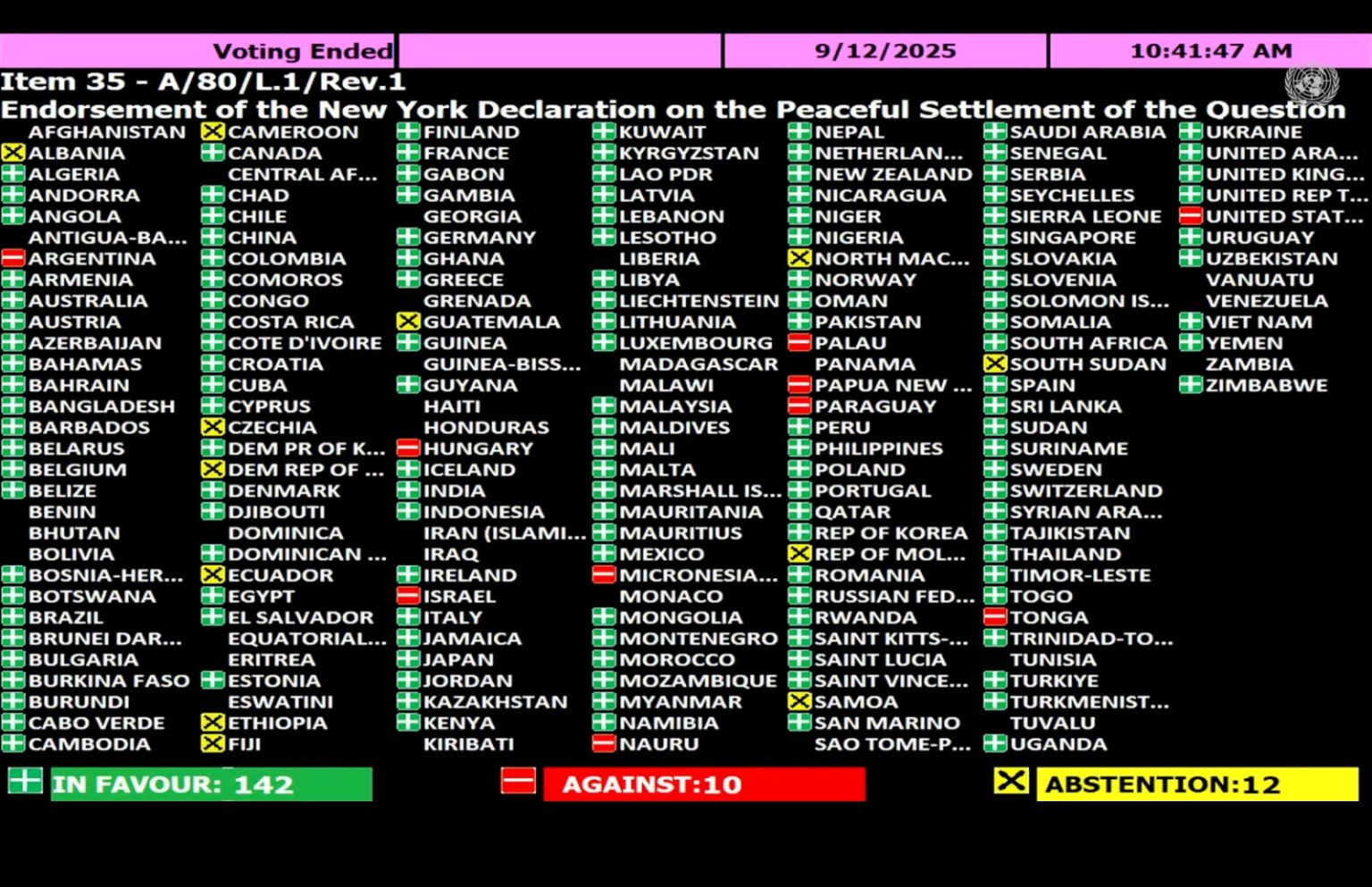
In the context of the United Nations, the support of these Pacific nations carries significant weight. In a vote last June regarding a ceasefire in Gaza, the measure passed with 149 votes in favor and 12 against. Of those 12 nations standing with Israel, seven—Fiji, Micronesia, Nauru, Palau, Papua New Guinea, Tonga, and Tuvalu—will now be served by the new embassy.
Analysts expect that this trend of prioritizing loyal partners will continue. Because international institutions like the UN operate on a one-nation, one-vote system, the support of smaller countries serves as a vital strategic asset. As Israel faces mounting diplomatic pressure elsewhere, the consolidation of these relationships provides necessary, consistent, and vocal support on the global stage.
Frequently Asked Questions
Why is Israel opening an embassy in Fiji now?
The opening serves as a regional hub for ten Pacific Island nations, reflecting a philosophy of rewarding countries that consistently support Israel in international forums.
How does this affect Israel’s other diplomatic missions?
The move is part of a broader strategy to redirect resources from countries with hostile stances, such as Ireland, toward nations with warmer, more constructive relationships.
Why are Pacific Island nations considered important to Israel?
These nations often provide reliable support in international votes where every vote counts. Their affinity for Israel is linked to shared values, identification as smaller nations in a complex global environment, and close ties to the United States.
How might the realignment of diplomatic resources influence the way global powers perceive Israel’s international standing in the coming years?