

US Considers Expanding Nuclear Sharing in Europe to Boost NATO Deterrence
The Shifting Nuclear Umbrella: NATO’s New Deterrence Strategy
The geopolitical landscape of Europe is undergoing a seismic transformation. As tensions persist following the conflict in Iran and ongoing instability in Eastern Europe, the United States is reportedly exploring a significant expansion of its nuclear sharing program. This move aims to reassure allies on the Eastern Flank who have long felt vulnerable to Russian aggression.
While the current nuclear sharing framework—involving nations such as Italy, Germany and Turkey—has been a cornerstone of transatlantic security for decades, the potential for expansion suggests a departure from traditional post-Cold War norms. For countries like Poland, this shift represents a long-sought increase in deterrence capabilities.
Currently, the NATO nuclear sharing program involves six “privileged” allies who host U.S. Dual-capable aircraft (DCA) and tactical nuclear bombs, all while Washington retains exclusive control over the authorization of their use.
Complementary Strategies: Washington and Paris
Interestingly, the push for an expanded U.S. Nuclear presence is not occurring in a vacuum. Simultaneously, European nations are exploring indigenous defense initiatives. Notably, Warsaw has engaged with a new French-led proposal aimed at creating a European-based nuclear deterrence mechanism.
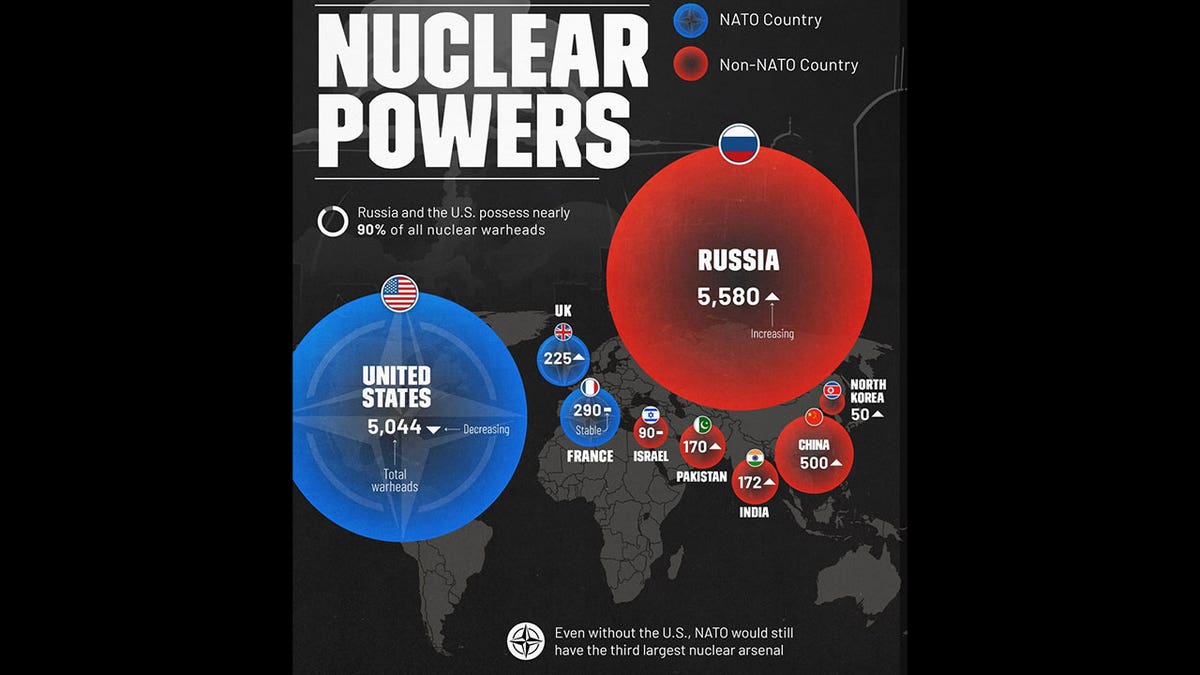
Rather than a competitive race, NATO sources suggest these two paths are increasingly viewed as complementary. As the “Old World” looks to bolster its own strategic autonomy, the combination of U.S. “front-line” protection and emerging European defense projects marks a new era of layered security.
The Shift Toward European Strategic Autonomy
The urgency to “do it alone” is nowhere more visible than in the ongoing support for Ukraine. With the European Union pushing forward with its 21st package of sanctions against Russia and finalizing multi-billion euro defense projects, the continent is signaling that its security architecture is evolving rapidly.
European Council President Antonio Costa recently hinted at an optimistic timeline for Ukraine’s integration into the EU, focusing on the “fundamentals” cluster. This political momentum, paired with military cooperation, suggests that Europe is preparing for a long-term, self-reliant defense posture.
Keep a close eye on the upcoming NATO summit in Ankara. This meeting will be a critical barometer for how President Donald Trump coordinates with European leaders, particularly concerning the delicate balance between U.S. Strategic interests and the requirements of the Atlantic alliance.
The Economic Backdrop of Global Security
Security and finance are deeply intertwined in the current administration. As the U.S. Navigates its economic recovery, investors are paying close attention to how foreign policy decisions—such as the demands placed on NATO allies regarding the Strait of Hormuz—impact global markets. The volatility in Treasury yields and shifts in tech-heavy portfolios reflect a world where political stability is the ultimate driver of market confidence.
Frequently Asked Questions (FAQ)
- What is the NATO nuclear sharing program?
This proves a policy that allows non-nuclear NATO members to host U.S. Nuclear weapons on their soil, with the U.S. Maintaining final launch authority. - Why is Poland interested in hosting nuclear weapons?
Poland views a direct nuclear deterrent as a necessary step to increase security and deterrence against potential threats from Russia on the Eastern Flank. - Is the EU creating its own nuclear force?
While not a unified “EU nuclear force,” member states are exploring initiatives to share or transfer deterrence capabilities to better integrate European defense.
What are your thoughts on the evolution of European defense? Do you believe a more decentralized nuclear deterrence strategy makes the world safer, or does it heighten the risk of escalation? Subscribe to our newsletter for weekly deep dives into global security trends and exclusive analysis.