
Italy-Albania Migration Deal: Controversy and the New EU Pact
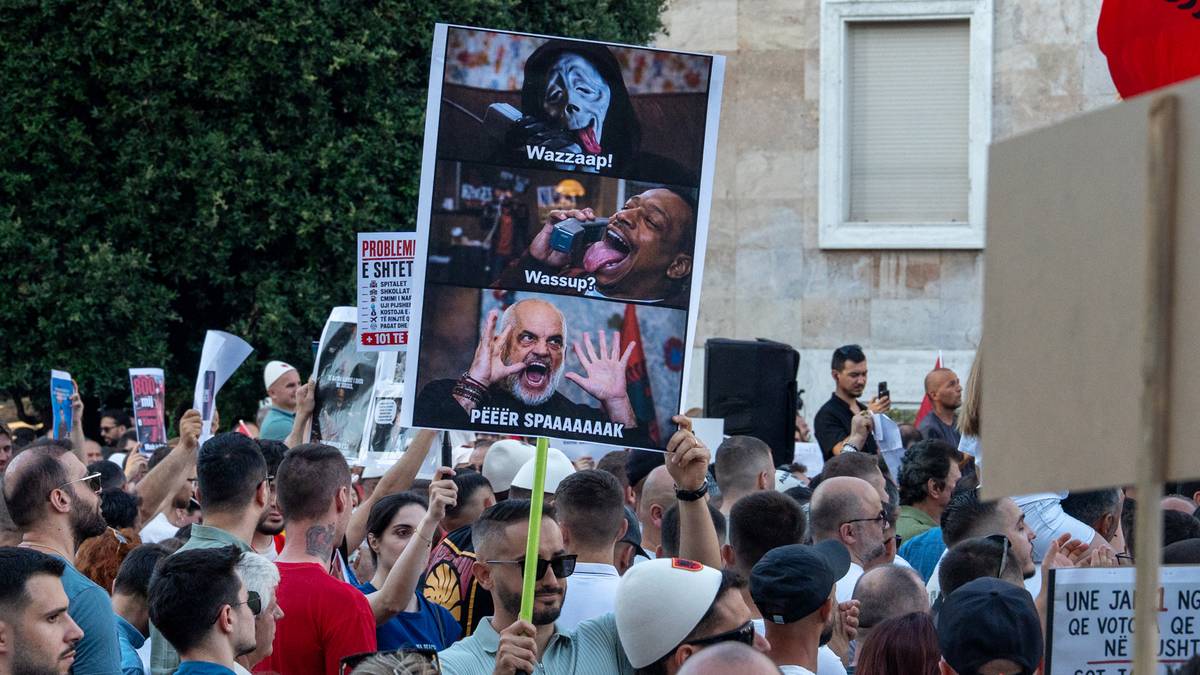
The EU Migration Pact, effective June 12, 2026, allows member states to process asylum seekers in “third countries” like Albania. According to NRK, Italy has already established centers in Shëngjin and Gjadër to hold migrants, a move sparking legal challenges and mass protests in Tirana over national sovereignty and human rights.
Why is Italy processing migrants in Albania?
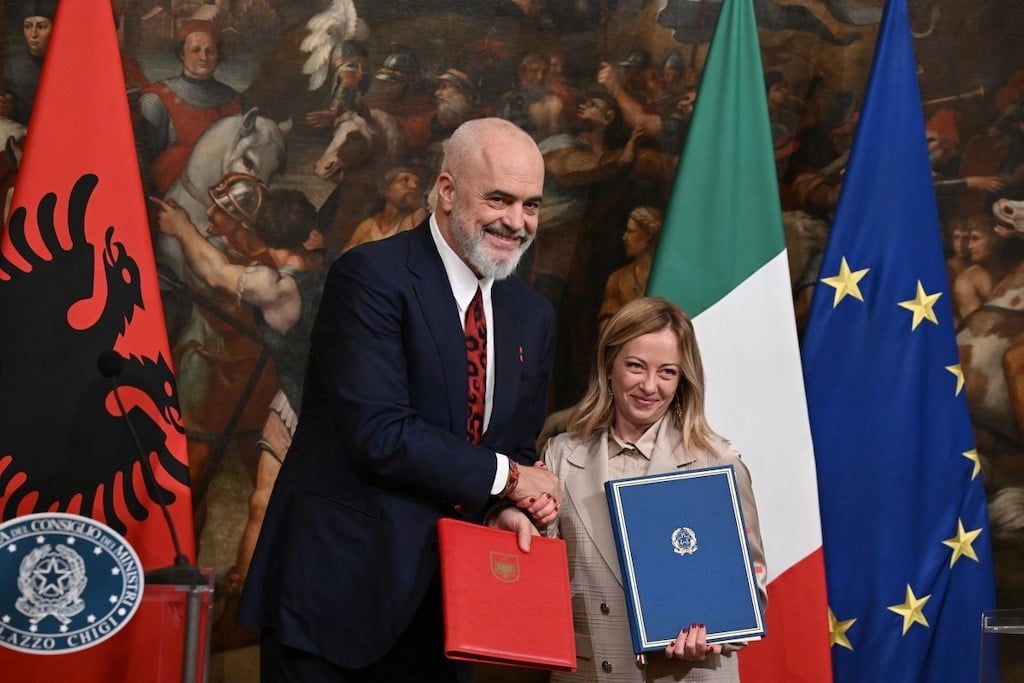
Italian Prime Minister Giorgia Meloni and Albanian Prime Minister Edi Rama entered an agreement to create return centers on Albanian soil. These facilities hold migrants who have had their asylum applications rejected before they’re deported to their home countries. According to NRK, Rama hopes this cooperation will secure Italy’s support for Albania’s future EU membership.
The infrastructure includes two centers capable of housing over 3,500 people. In the tourist town of Shëngjin, the facilities are marked by five-meter-high fences and are under the full jurisdiction of Italian authorities. This “Albania model” is now viewed as a potential blueprint for other Schengen-area countries facing similar migration pressures.
Is the “Albania Model” legal under international law?
Legal experts and activists argue the deal violates both national and international statutes. Lawyer Elton Laska told NRK that the Prime Minister lacks the authority to cede Albanian territory to another country. Laska claims these “secret agreements” may conflict with basic human rights and Albanian law.
The legality has already been tested in court. According to NRK, rulings from a court in Rome, the Albanian Constitutional Court, and the European Court of Human Rights previously limited the transfer of migrants, leaving many of the 3,500 available cells empty for a period. However, the new EU pact provides a broader legal framework for these third-country arrangements.
What are the conditions inside the return centers?
Reports on the living conditions in Gjadër vary wildly depending on the source. Mayor Aleksander Peja describes the centers as a benefit to the village, noting that residents have access to a cinema and a volleyball court. Peja attributes the project to an economic lift, citing new jobs and increased revenue from Italian police staying in local hotels.
Conversely, human rights advocates describe a crisis. Cecilia Strada, who visited a center in April, reported to Balkan Insight that incident logs showed critical health conditions among detainees. Strada’s findings included reports of five individuals engaging in self-harm or attempted suicide.
How does the 2026 EU Migration Pact change asylum rules?
The new pact, which took effect June 12, 2026, shifts the EU toward a stricter, more standardized approach. According to the pact’s guidelines, it introduces “hurried procedures” at borders. Applicants from countries with low asylum approval rates will have their cases processed at the border and returned immediately if rejected.
The pact also establishes a “solidarity mechanism.” This requires member states to either accept a quota of refugees, pay a financial contribution to avoid taking them, or provide border guards and facilities. This marks a significant departure from the 2015 crisis era, when leaders like Angela Merkel focused on absorption; the current language focuses heavily on deportation.
Comparison: 2015 vs. 2026 Migration Strategies
| Feature | 2015 Approach | 2026 EU Pact |
|---|---|---|
| Primary Goal | Emergency absorption/protection | Border control and rapid return |
| Processing Location | Within EU member states | Potential for “Third-Country” centers |
| Tracking | Fragmented national systems | Centralized Eurodac biometrics |
What is the social impact on Albanian citizens?
The centers have sparked a divide between local officials and the youth. In Shëngjin, high school students like Kejvin and Aleksandra have become activists after discovering the centers through international media rather than government channels. They report a lack of transparency in how these decisions are made.
NRK reports that the arrival of the centers coincided with a wave of disinformation. In Shëngjin, the local mayor reportedly encouraged a “meme competition” featuring AI-generated images of dark-skinned people “taking over” the town. These images were used to stoke fear among residents before the facilities were completed.
Frequently Asked Questions
What is the “Albania Model”?
It is a migration strategy where an EU country (Italy) pays a non-EU country (Albania) to host and process asylum seekers who have been rejected, keeping them outside EU borders until deportation.
When did the new EU Migration Pact start?
The pact officially entered into force on June 12, 2026.
Who manages the centers in Albania?
While located in Albania, the centers are managed and guarded by Italian authorities, as reported by NRK.
Are the centers currently full?
Many have been empty due to court rulings from Rome and the European Court of Human Rights, though the new EU pact is expected to increase occupancy.
What do you think about the use of third-country centers for asylum processing? Does this balance security and human rights? Let us know in the comments below or subscribe to our newsletter for more deep dives into EU policy.