
Italy Arrests Seven Anarchists for Sabotaging Olympic Rail Lines
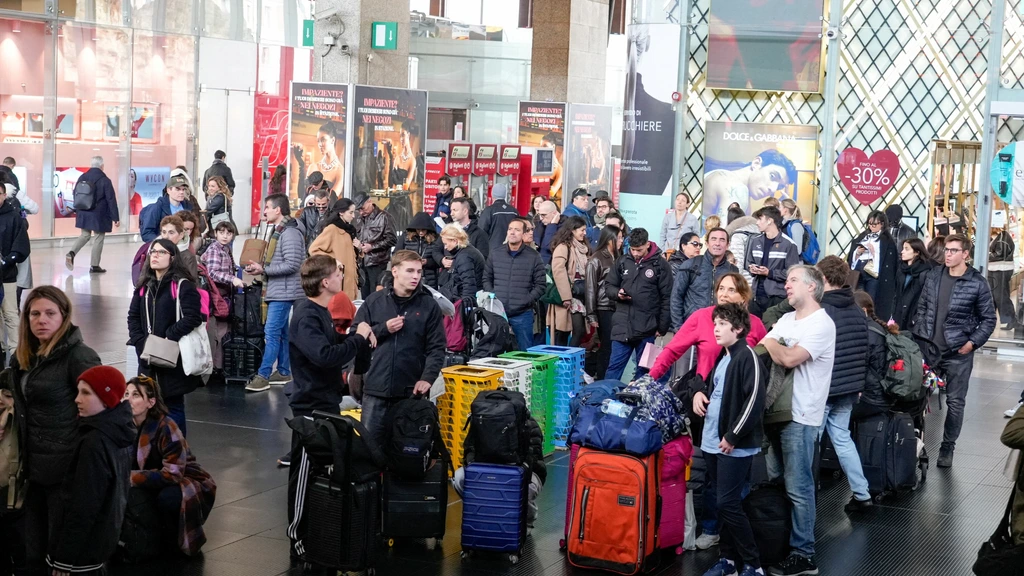
Italian police have arrested seven individuals accused of sabotaging high-speed rail lines during the Winter Olympics in February. According to official statements from Italian authorities, the suspects allegedly used homemade explosives to damage tracks between Rome, Florence, and Naples, resulting in €455,000 in repair costs. The group is linked to anarchist militant factions and faces charges of undermining the democratic order.
Why were the rail lines targeted during the Winter Olympics?
The sabotage acts were coordinated to disrupt infrastructure during the high-profile Winter Games in Milan and Cortina, according to police reports. Authorities state that the suspects operated through a dedicated website, ispirazione.noblogs.org, which was established months before the attacks to claim responsibility for the disruption. While the site is currently offline, investigators confirmed that the attacks were intended to draw attention to the imprisonment of Alfredo Cospito, a prominent Italian anarchist currently serving a long sentence under the country’s strict 41-bis prison regime.
The “41-bis” regime is Italy’s harshest prison system, originally designed to isolate high-level Mafia bosses. It limits contact with the outside world and other inmates, a policy that has become a recurring focal point for anarchist protest movements in Italy.
How do these attacks compare to previous protest tactics?
The February sabotage marks an escalation in tactics compared to earlier protests surrounding the Winter Games. While demonstrators previously engaged in conventional protests—clashing with police using smoke bombs, flares, and water cannons—the use of homemade explosives on critical transit infrastructure represents a shift toward physical sabotage. According to police, incidents occurred on the first day of the Games, including an explosion between Bologna and Padua and a fire at an electrical station between Bologna and Ancona. Unlike the later rail sabotage, those earlier incidents resulted in no injuries but signaled a sustained campaign against the sporting event.
What are the long-term security implications for transit infrastructure?
The incident highlights the vulnerability of European high-speed rail networks to localized, non-state actors. With the suspects reportedly maintaining ties across Rome, Bologna, Milan, and Naples, the investigation suggests a decentralized network rather than a single cell. Security analysts often point to the “soft target” nature of rail infrastructure, which spans thousands of kilometers and is difficult to monitor in its entirety. The financial impact of €455,000 for a single sabotage event underscores the high cost of restoring service, potentially forcing rail operators to invest in increased surveillance and perimeter security for future international events.
For travelers and logistics companies, monitoring local news during major international sporting events is essential. Protests often target transit hubs or government buildings, which can lead to sudden, localized travel delays even when the primary infrastructure remains intact.
Frequently Asked Questions
Who was arrested in the Italian rail sabotage case?
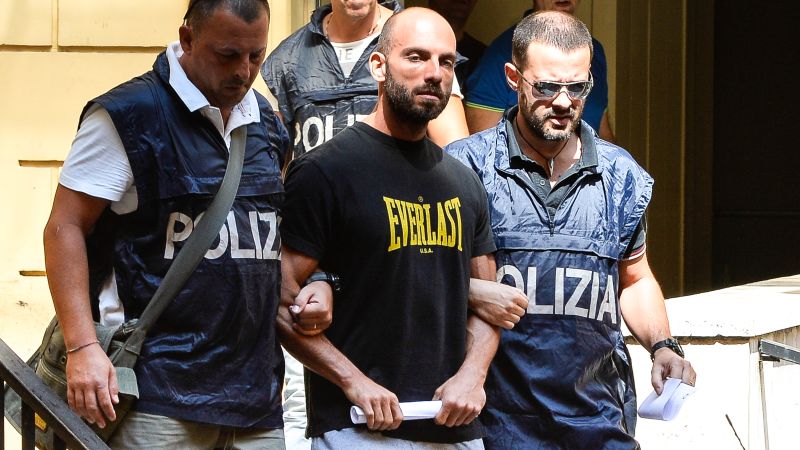
Seven individuals were arrested by Italian police for their alleged involvement in the sabotage. Five are currently in pre-trial detention, while two remain under house arrest.
What was the motive behind the attacks?
According to authorities, the suspects aimed to protest the Winter Olympics and draw attention to the incarceration of anarchist Alfredo Cospito, who is held under the 41-bis prison regime.
Were there any injuries during the rail attacks?
No injuries were reported during the sabotage of the high-speed rail lines or the separate incidents involving electrical fires and explosions during the Winter Games.
Have you experienced travel disruptions due to civil unrest, or are you interested in how infrastructure security is evolving? Share your thoughts in the comments below or subscribe to our newsletter for the latest updates on regional security and transportation trends.