
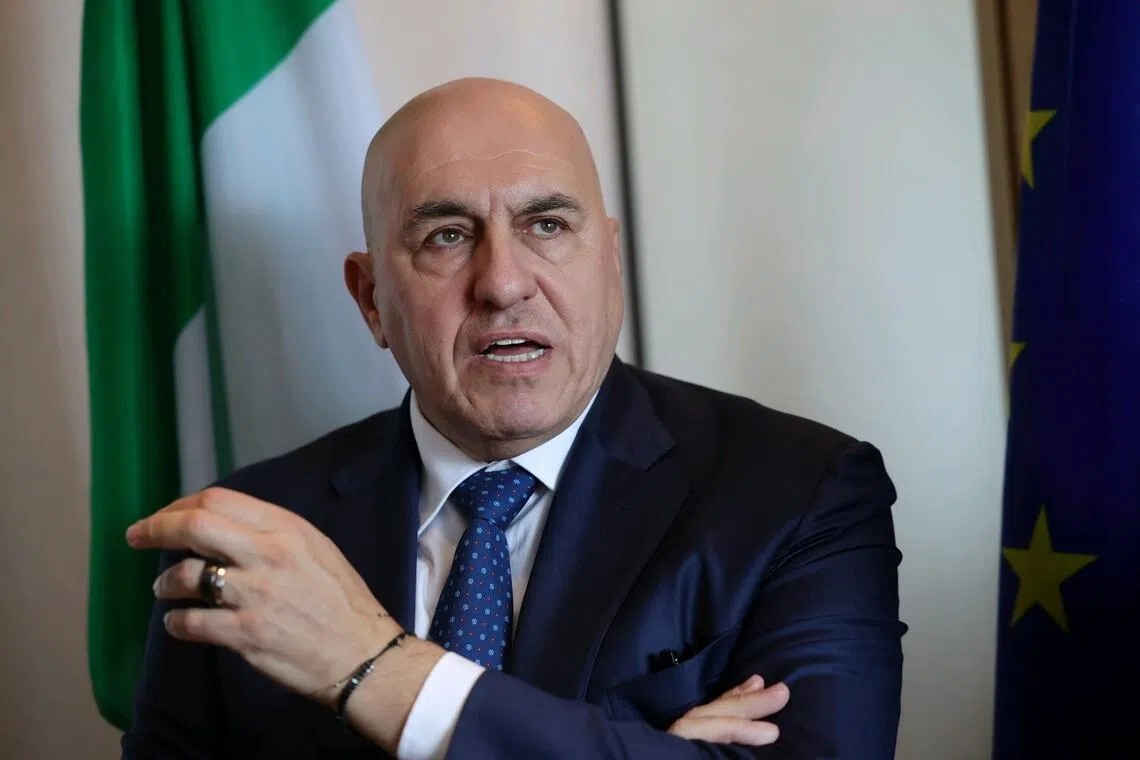
Italy Defends Defence Spending Levels Amid US Pressure
The Great Security Divide: Why Europe is Struggling to Pay for Peace
For decades, the unspoken agreement in the North Atlantic Treaty Organization (NATO) was simple: the United States provided the security umbrella, and Europe provided the political and economic stability. But that era of “strategic reliance” is hitting a wall. As the US shifts its gaze toward the Indo-Pacific and demands that allies stop “free-riding,” a deep fissure is opening between Washington’s expectations and Europe’s economic reality.
The tension isn’t just about numbers on a spreadsheet. it’s a fundamental clash between geopolitical necessity and domestic survival. While the US pushes for defense spending to climb—with some voices suggesting targets as high as 5% of GDP—many European governments are fighting a two-front war: one against external threats and another against their own voters’ cost-of-living crises.
The Geography of Fear: Why Location Dictates the Budget
One of the most striking trends in modern defense spending is the “proximity premium.” There is a stark difference in how a citizen in Warsaw views a military budget compared to a citizen in Rome or Madrid. For those living in the shadow of Russia or China, increased defense spending isn’t a political debate—it’s an existential requirement.
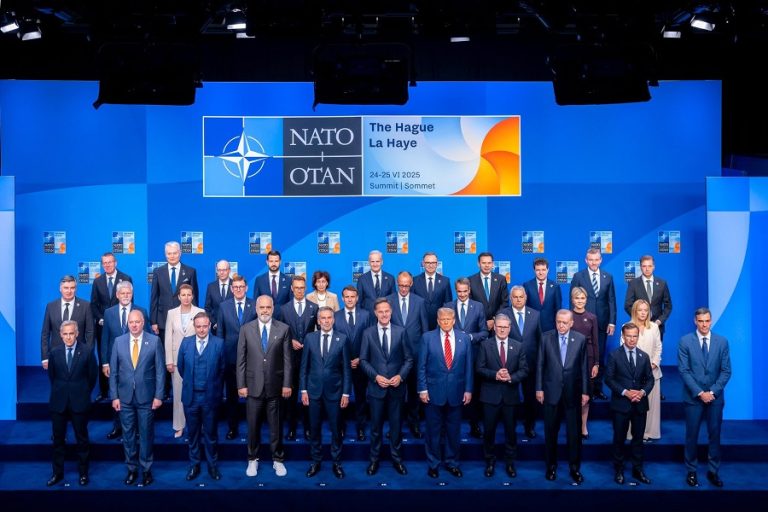
Poland, for example, has aggressively ramped up its military expenditure, often exceeding NATO targets. When the threat is visible on the horizon, the public is generally willing to trade social services for security. However, for Western European nations, the threat feels abstract. When energy prices spike or inflation erodes purchasing power, the average voter asks: “Why are we buying more fighter jets when I can’t afford to heat my home?”
This creates a dangerous internal rift within the EU. We are seeing the emergence of a “two-tier Europe,” where frontline states drive the security agenda, while the “rear guard” struggles to justify the cost to a skeptical electorate.
The Fiscal Trap: EU Rules vs. NATO Demands
The struggle isn’t just political; it’s mathematical. Many European nations are caught in a “fiscal pincer movement.” On one side, NATO pressures them to spend more on defense. On the other, the European Union’s strict fiscal rules limit budget deficits to 3% of GDP to ensure currency stability and economic health.
For a country like Italy, which has historically grappled with high public debt, these two mandates are often contradictory. Increasing military spending to 5% of GDP while keeping a deficit under 3% is, for many, a financial impossibility without drastic cuts to healthcare, education, or infrastructure.
Looking forward, we are likely to see a push for “defense exemptions” in EU budget rules. Much like how some nations sought exemptions during the pandemic, governments will argue that security spending should be treated as an investment rather than a deficit-increasing expense.
Future Trends: Toward a “Fortress Europe” or Fragmented Defense?
As the US continues to signal that its generosity has limits, Europe is facing a pivotal choice: double down on the US relationship or accelerate “Strategic Autonomy.” Here are the trends to watch:
1. The Rise of European Arms Consortia
To reduce reliance on expensive US-made hardware, Europe will likely move toward joint procurement. Instead of every nation buying its own fleet of jets, we will see more multi-national projects. This reduces costs and creates a more integrated European defense industry, though it often comes with bureaucratic delays.
2. The Pivot to Asymmetric Warfare
Since many nations cannot afford a massive conventional army, there will be a shift toward “cheaper” security. This includes investments in AI-driven surveillance, drone swarms, and cyber-defense—technologies that provide a high deterrent value without the massive overhead of maintaining standing divisions.
3. The Political Rise of “Security Populism”
We may see a new wave of political movements that campaign on a platform of “Security First,” arguing that economic prosperity is impossible without absolute military strength. Conversely, we may see a rise in “Peace Populism,” where parties gain ground by promising to slash defense budgets to fund social welfare.
For more on how global shifts affect local economies, check out our analysis on the impact of energy volatility on European industry or explore the official NATO strategic concepts.
Frequently Asked Questions
Why is the US demanding more spending from Europe?
The US believes that European nations have relied too heavily on American military power (the “security umbrella”) while spending more on social programmes, creating an unfair financial burden on the US taxpayer.
What happens if EU countries fail to meet NATO targets?
While NATO cannot “fire” a member, failure to contribute can lead to diplomatic tension, reduced US political support during crises, and a potential shift in how the US deploys its troops across the continent.
Can the EU change its budget rules to allow more defense spending?
Yes, but it requires a consensus among member states. Changing the 3% deficit rule is controversial because it could lead to higher inflation or financial instability in weaker economies.
Join the Conversation
Do you believe Western nations should prioritize military spending over social welfare in an unstable world, or is the “free-rider” narrative unfair? Let us know your thoughts in the comments below or subscribe to our newsletter for deep dives into the geopolitics of the future.