
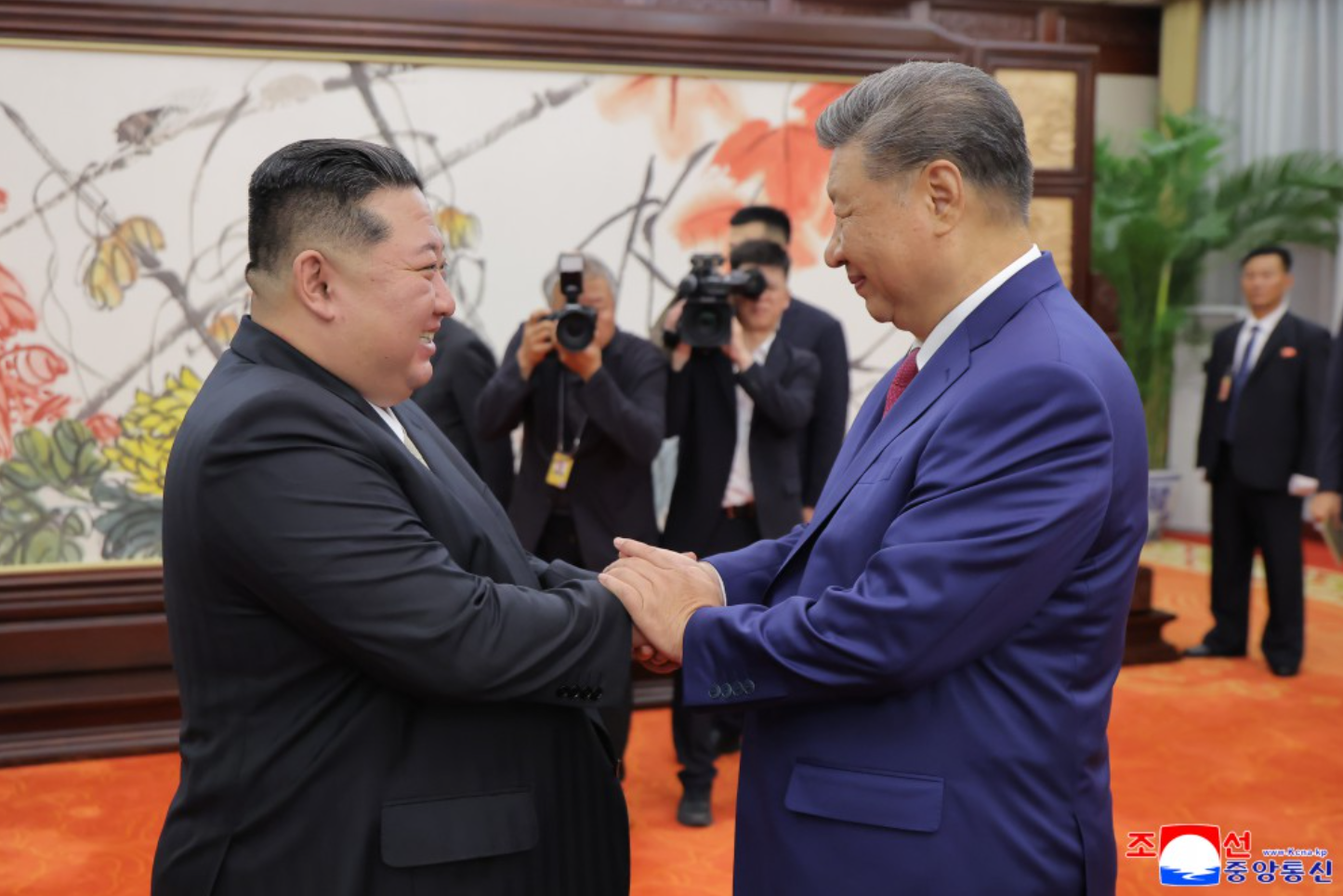
North Korea’s Strategic Posturing Ahead of Xi Jinping’s Visit
North Korea is leveraging its strategic value to China by aligning against US-led deterrence in the Asia-Pacific, specifically regarding Taiwan and Japan. According to recent KCNA reports and diplomatic signals, Pyongyang seeks a “quid pro quo”: Chinese acceptance of its permanent nuclear status in exchange for loyalty on Beijing’s core security interests.
Why is North Korea suddenly siding with China on Taiwan and Japan?
Pyongyang isn’t just being friendly; it’s running a calculated dual-track strategy. For years, North Korea’s support for China’s “one-China” principle was routine. Now, it’s become a tool for leverage. Following Foreign Minister Wang Yi’s visit to Pyongyang in April, North Korean state media shifted from passive reporting to active endorsement of Beijing’s regional grievances.
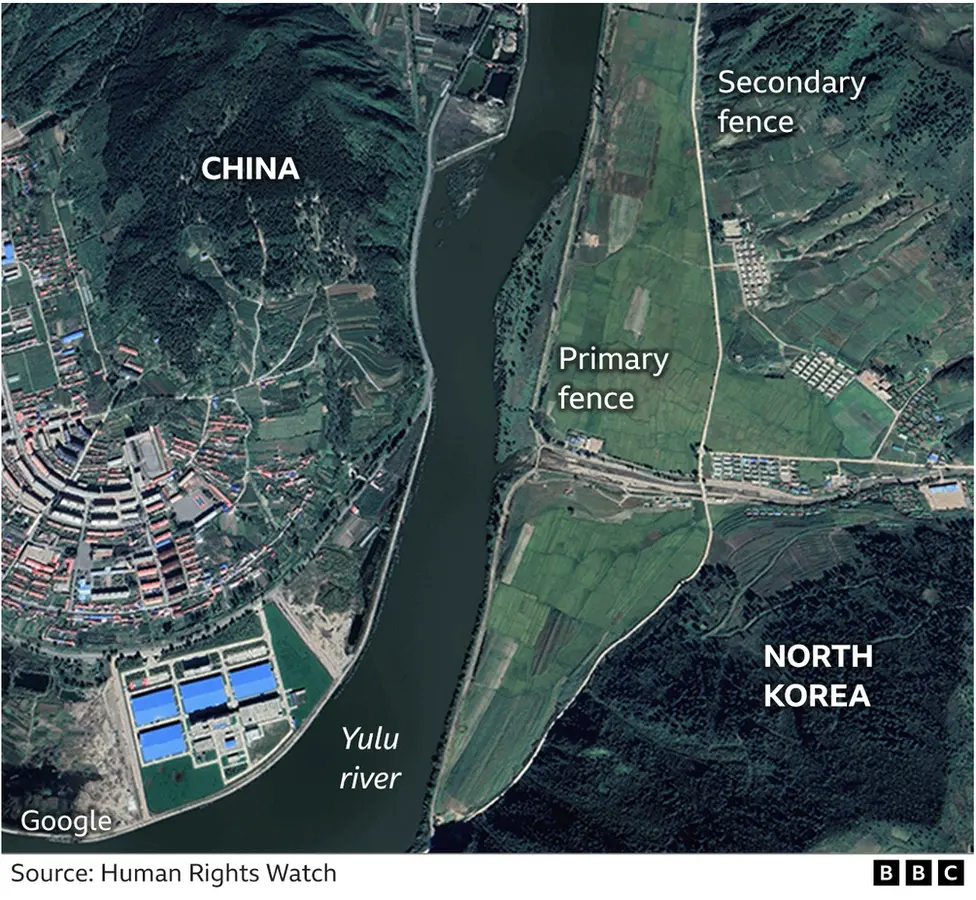
A May 21 KCNA commentary explicitly linked US arms exports to South Korea and Japan with rising tensions in the Taiwan Strait. This is a rare move. Usually, Pyongyang quotes Chinese sources when mentioning Taiwan. By using its own voice, North Korea is signaling to President Xi Jinping that it is a reliable partner in countering US influence.
This alignment extends to Japan. Recent articles in Party dailies have mirrored Chinese rhetoric, blaming the Japanese cabinet for “provokingly” implementing policies that hit China’s core interests. By framing Japan as a shared adversary, Kim Jong Un is positioning North Korea as an indispensable security asset for Beijing.
How does the Kang Kon destroyer fit into the nuclear narrative?
While the rhetoric on Taiwan is a “carrot” for Beijing, North Korea’s nuclear displays are a “stick.” The timing of Kim Jong Un’s recent appearances is too precise to be accidental. He visited a new nuclear materials production factory and the destroyer Kang Kon exactly around the announcement of Xi Jinping’s state visit.
The Kang Kon isn’t just a ship; it’s a message. Its deployment poses a direct threat to Japan, which aligns with China’s regional interests. However, the primary audience for these visits was likely Beijing. Pyongyang is reminding China that its nuclear capabilities are grown, deployed, and intended to “fight a war,” not just deter one.
This serves as a warning against any Chinese pressure to denuclearize. Pyongyang remains suspicious of Beijing, especially after a May US-China summit where both presidents reportedly confirmed a shared goal of a denuclearized North Korea. By showcasing hardware, Kim is telling Xi that denuclearization is no longer a realistic policy objective.
What happens if China tacitly accepts North Korea as a nuclear state?
If Beijing moves from “hoping for denuclearization” to “accepting the nuclear reality,” the regional security architecture collapses. We see a stark contrast in how this is handled: the US still pushes for total denuclearization, while Russia has already offered tacit recognition behind closed doors.
According to analyst Kim Myong Chol in a June 3 commentary, the US attempt to build “collective deterrence” in the Asia-Pacific will “inevitably invite security concerns of neighboring powers.” This phrasing strongly suggests that North Korea is pushing for a more formal security cooperation with China to offset US-led alliances like the QUAD.
The consequence? A more emboldened Pyongyang. If North Korea secures Chinese acceptance, it no longer needs to negotiate with Washington. It can focus entirely on expanding its arsenal while relying on Beijing for economic survival and diplomatic cover at the UN.
Will this lead to a new security pact between Xi and Kim?
A formal military alliance is unlikely, but a “strategic alignment” is almost certain. North Korea is leveraging its growing relevance. It’s no longer a junior partner begging for food aid; it’s a nuclear-armed state offering a strategic buffer against US forces in the Pacific.
The shift is evident in how North Korea now views the QUAD. In 2024 and 2025, Pyongyang’s statements on the QUAD focused heavily on denuclearization. By May 2026, the focus shifted to “Japan’s moves for rearmament” and the US “hegemonic position” in supply chains—issues that are top priorities for the Chinese Communist Party.
This suggests the future trend is a “security-for-status” trade. North Korea provides the regional chaos and anti-US pressure that Beijing finds useful, and in return, Beijing ignores the nuclear factories and provides the economic lifeline necessary to sustain them.
Frequently Asked Questions
Is denuclearization still possible?
Based on the 2023 constitutional changes and recent nuclear factory expansions, Pyongyang has officially rejected denuclearization. Current trends suggest a shift toward “nuclear state” recognition rather than disarmament.
Why does North Korea care about the Taiwan Strait?
By supporting China’s position on Taiwan, North Korea increases its strategic value to Beijing, making it more likely that China will protect them from US sanctions or pressure.
What is the significance of the Kang Kon destroyer?
It demonstrates North Korea’s ability to project power beyond its shores, specifically threatening Japan, which aligns with China’s desire to limit Japanese regional influence.
Stay Ahead of the Geopolitical Curve
Do you think China will eventually recognize North Korea as a nuclear power? Let us know your thoughts in the comments below or subscribe to our newsletter for deep-dive intelligence on Asia-Pacific security.