

Italy’s Rights Funnel: How Legislative Stagnation and Polarization Threaten Civil Liberties
A new report titled “Cittadinanze sospese,” presented June 9 at the Casa Internazionale delle Donne in Rome, reveals that the Italian legislative system has increasingly struggled to convert social demands into law over the past decade. Data analyzed by Semia Fondo Delle Donne shows the success rate for legislative acts fell from approximately 25% in 2013 to 1.4% in the current legislature, highlighting a growing “bottleneck” in the protection of rights.
Did You Know? The analysis of 1,224 legislative acts across three consecutive legislatures found that while only 11.2% of total proposals reached a final outcome, 94.4% of government-backed instruments successfully completed the legislative process.
The Legislative Bottleneck
Researchers Giulia Marchese, Marta Nicolazzi, Aurora Perego, and Massimo Prearo examined the lifecycle of 1,224 legislative acts from the 17th to the 19th legislatures. The data indicates that the Italian Parliament’s ability to turn proposals into law has contracted significantly, dropping from a 6.5% success rate in the 17th legislature to 1.4% in the 19th. According to the report, this creates an “asymmetry” where government-driven decrees are far more likely to pass than parliamentary initiatives.
The study further notes that the system is not neutral regarding the political intent of the legislation. While fewer in total number, restrictive acts are nearly twice as likely to become law (17.6%) compared to expansive rights-based proposals (10.3%). This trend is largely attributed to the heavy reliance on executive decrees, with 25 of the 27 approved restrictive measures originating from the government.
Status of Rights in Italy
Italy’s standing on international rights indexes remains varied. While the country has improved in formal metrics—specifically the presence of women in economic and social leadership positions—these gains have not translated into improvements in the gender pay gap or employment rates. The European Abortion Policies Atlas reports a 13-point decline in access to voluntary pregnancy termination between 2021 and 2025, and access to contraception in Italy remains at 62.7%, significantly lower than in France or Germany.
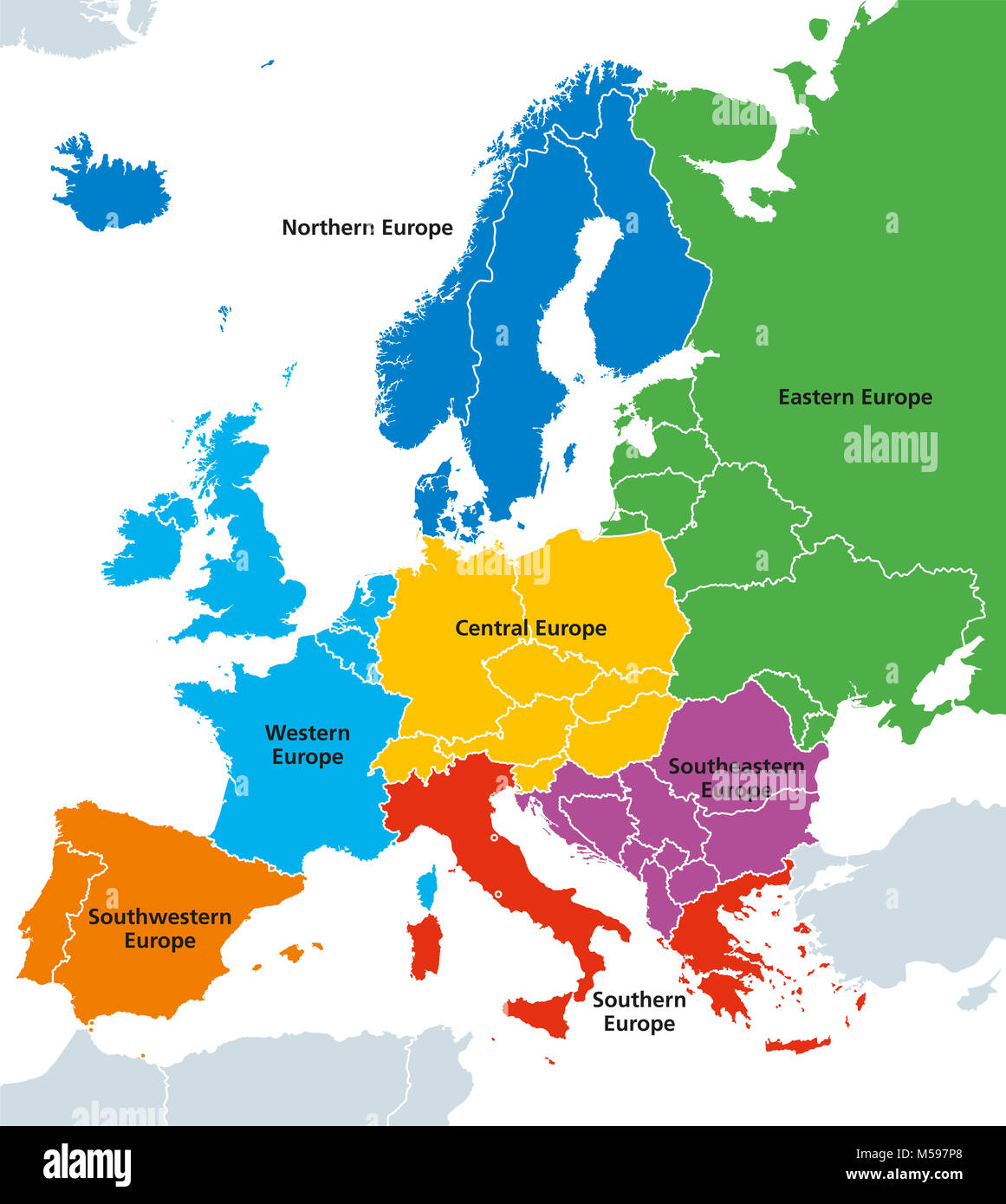
The report also highlights concerns for other demographics. The 2025 Rainbow Map awards Italy 24 out of 100 points for LGBTQIA+ policies, the lowest score in Western and Southern Europe. Additionally, individuals with disabilities face significant barriers, with 67.7% of those with severe disabilities between the ages of 15 and 64 remaining outside the workforce.
Expert Insight: The data suggests a growing disconnect between public sentiment and legislative output. While popular support for specific rights exists, the systemic inertia identified by the researchers indicates that without independent monitoring and a shift in how social demands are processed, the current trend of “suspended citizenship” is likely to persist or worsen.
Public Opinion and Future Implications
Public opinion polls included in the study show that a majority of Italians support formal equality and LGBTQIA+ freedoms. However, researcher Massimo Prearo notes that this support often wavers when questions shift from abstract principles to personal proximity. For example, while many support minority rights in theory, a significant portion of the population reports feeling discomfort regarding the presence of Romani individuals or LGBTQIA+ people in personal or professional settings.

Looking ahead, the researchers suggest that the “under-reporting” of discrimination in general surveys masks the true scope of the issue. As institutional data collection remains fragmented, the report concludes that overcoming these challenges will require not only legislative action but also a sustained cultural effort and more robust, independent monitoring of lived experiences.
Frequently Asked Questions
What is the “legislative bottleneck” mentioned in the report?
It refers to the decreasing success rate of legislative acts in the Italian Parliament, which fell from 25% in 2013 to 1.4% in the current legislature, indicating a failure to translate social demands into law.

How does the political nature of a bill affect its chances of passing?
According to the study, restrictive acts are more likely to be passed than expansive ones, largely because they are frequently introduced as government-backed decrees rather than parliamentary proposals.
Are there reliable statistics on discrimination in Italy?
The report states that current data on discrimination is fragmented and often relies on movement-based research rather than permanent, institutionalized data collection, leading to significant under-reporting of actual experiences.
How can independent monitoring change the way rights are protected in the current political climate?