
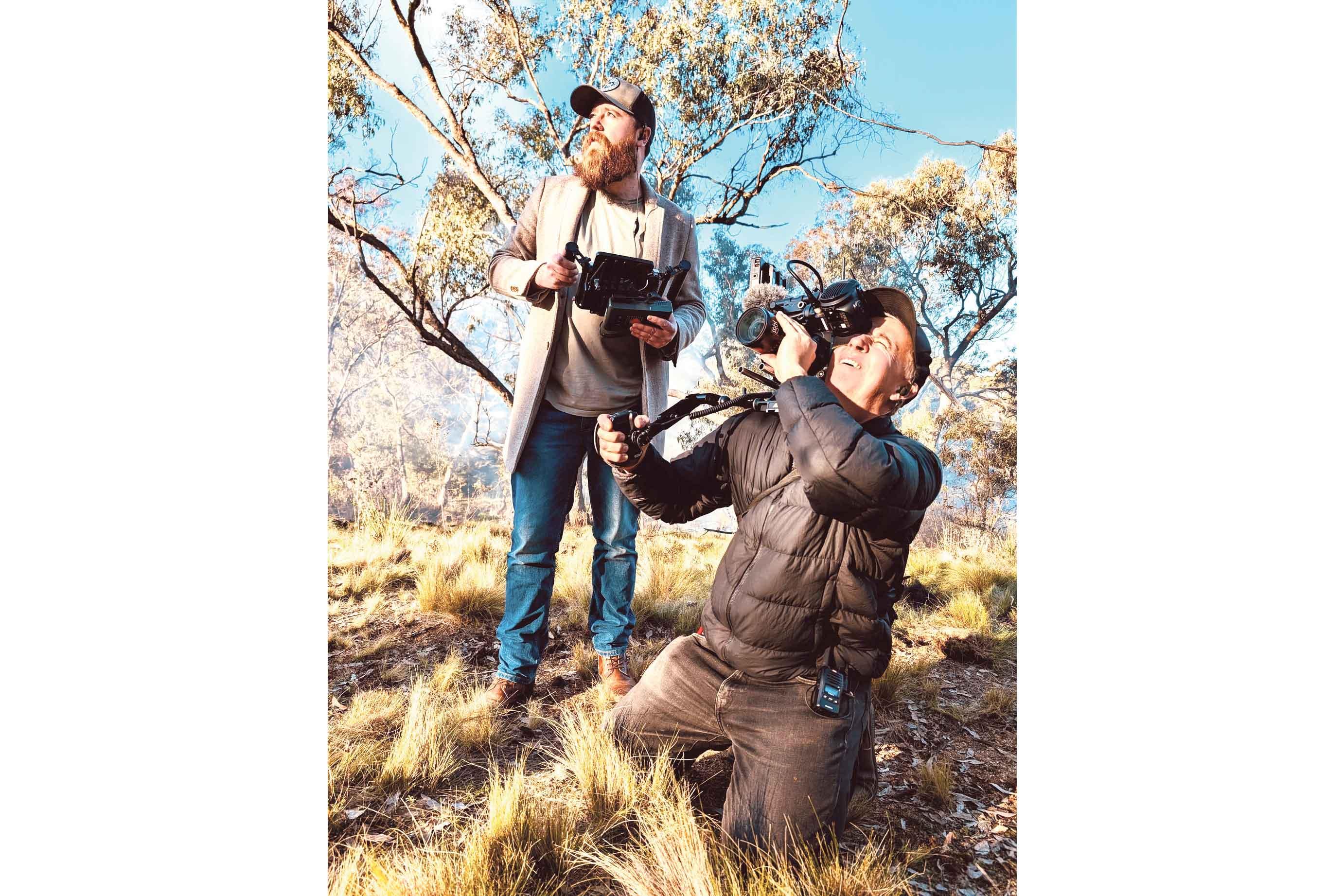
Jack’s cool doco shows how slow burns can helps revitalise the Australian bush
Traditional Aboriginal cool-burning practices, as detailed in filmmaker Jack Steele’s documentary Firekeepers: Flames of Renewal, provide a low-intensity alternative to modern prescribed burns. These cultural methods use slow, small-scale fires without accelerants to regenerate native scrubland, reduce fuel loads, and regulate waterway flows for native fish.
Why is cultural burning different from prescribed burns?
The primary difference lies in the temperature and the method of application. According to Jack Steele, modern “prescribed burns” often burn too hot, which damages the seeds of native plants. This heat creates a vacuum that weeds fill, leading to a higher fuel load and a cycle of increasingly intense wildfires.

Cultural burning, or “cool burning,” avoids accelerants entirely. Steele describes the process as labour-intensive and slow, involving the burning of small sections of land. This precision ensures the fire remains low-fuel and low-temperature, allowing the landscape to recover without destroying the seed bank.
How does cool burning impact the broader environment?
The benefits extend beyond the soil. Steele states that these practices “bring back the Australian plants and regenerate the bush,” which in turn stabilizes the local hydrology. According to the filmmaker, regenerated bushland helps regulate the flow of waterways.
This regulation is critical for aquatic biodiversity. Steele explains that maintaining a flow that is neither too fast nor too slow is essential for the survival of native fish and other stream-dependent species.
| Feature | Prescribed Burning | Cultural (Cool) Burning |
|---|---|---|
| Temperature | High / “Too Hot” | Low / “Cool” |
| Method | Often uses accelerants | No accelerants; small sections |
| Plant Impact | Damages native seeds; encourages weeds | Regenerates native scrubland |
What happens when traditional knowledge is integrated into land management?
Integration reverses two centuries of environmental alteration. Steele argues that European farming, husbandry, and clearance practices dramatically changed the Australian interior. Returning to the methods observed by early European settlers can mitigate current threats to the land.

The Firekeepers: Flames of Renewal project follows members of the Orange First Nations community as they work to preserve ancestral knowledge. Steele describes these practices not as relics, but as relevant tools for contemporary land protection.
FAQ: Understanding Cultural Burning
What is “cool burning”?
It is a traditional Indigenous land-clearance method using low-fuel, slow-burning fires to clear land without damaging native seeds or the soil.
Who created ‘Firekeepers: Flames of Renewal’?
The film was produced by filmmaker Jack Steele via Blackfeather Studios, with support from the Orange Regional Arts Foundation and the Orange Aboriginal Medical Centre.
Does cool burning help with water quality?
Yes. According to Jack Steele, the resulting bush regeneration helps regulate waterway flows, which supports native fish populations.
Join the conversation: Do you think traditional land management should be integrated into national fire prevention strategies? Let us know in the comments below or subscribe to our newsletter for more reports on environmental restoration.