
Japan and Philippines strengthen defense ties and discuss arms sales to deter China
The New Pacific Axis: Why Japan and the Philippines Are Redefining Asian Security
The geopolitical map of the Indo-Pacific is being redrawn in real-time. As tensions simmer in the South China Sea and the Taiwan Strait, a quiet but profound transformation is taking place between Tokyo, and Manila. The elevation of their relationship to a “Comprehensive Strategic Partnership” is far more than a diplomatic handshake—It’s a signal that the regional status quo is shifting toward a robust, multi-layered defense alliance.
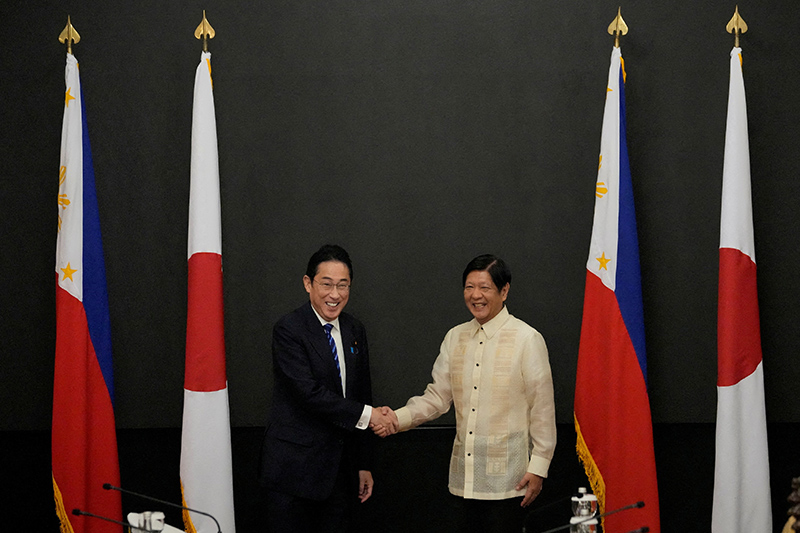
For observers of global security, this isn’t just about regional squabbles; it is about the future of maritime trade routes, energy security, and the evolving role of Japan as a primary security provider in Asia.
From Pacifism to Proactive Defense
For decades, Japan’s postwar constitution acted as a self-imposed barrier to exporting lethal military hardware. That era has ended. By lifting the ban on lethal arms exports, Tokyo has pivoted toward becoming a key defense partner for nations like the Philippines, which are currently modernizing their navies to protect their sovereign waters.
The potential sale of Abukuma-class destroyers and Type-88 surface-to-ship missiles marks a critical turning point. It suggests that Japan is moving away from purely defensive posturing toward a strategy of “collective capability.” By providing the Philippines with high-tech surveillance and weaponry, Japan is essentially building a stronger, more resilient frontline against external maritime pressure.
Intelligence Sharing: The Backbone of Future Stability
Modern warfare is won in the digital space before a single shot is fired. The push for a formal military intelligence-sharing pact between Tokyo and Manila is designed to close the information gap in the South China Sea. Currently, the Philippines monitors vast, contested maritime zones; by integrating Japanese radar technology and reconnaissance data, the two nations can create a “common operating picture.”

This trilateral-ready framework—which naturally includes the United States—creates a surveillance umbrella that is much harder to challenge. For businesses and investors in the region, this increased stability is essential for the security of shipping lanes that carry trillions of dollars in global trade annually.
Energy Security as a National Priority
The partnership extends beyond hardware and intelligence into the critical realm of energy. The recent focus on stabilizing oil reserves and building infrastructure to counter supply chain shocks—exacerbated by global conflicts—highlights a vital lesson: national security is energy security.
Japan’s commitment to funding regional energy infrastructure in Southeast Asia is a strategic move to ensure that, regardless of global volatility, the region’s emerging economies remain powered and stable. Here’s a long-term play to prevent economic fragility from becoming a security vulnerability.
Did You Know?
The “Grand Cordon of the Supreme Order of the Chrysanthemum,” recently awarded to the Philippine President, is one of Japan’s most prestigious honours. It is typically reserved for foreign heads of state, signaling that Tokyo views the current administration in Manila as a “first-tier” strategic priority for the next decade.
Frequently Asked Questions (FAQ)
Why is Japan selling weapons to the Philippines now?
Japan is shifting its foreign policy to address a more complex security environment. By assisting allies in building their own defense capabilities, Japan strengthens regional stability, which is vital for its own economic and maritime interests.

How does this affect the United States’ role in the region?
It complements the U.S. “hub-and-spoke” alliance system. By fostering stronger ties between its allies (Japan and the Philippines), the U.S. Creates a more decentralized and resilient security network, reducing the burden on Washington to manage every regional conflict alone.
What does “Comprehensive Strategic Partnership” actually mean?
It represents the highest level of diplomatic cooperation. It goes beyond simple trade deals to include deep integration in defense, intelligence, infrastructure, and energy policies, designed to be sustainable across different political administrations.
Looking Ahead: A Sustainable Alliance
The most important trend to watch is the “institutionalization” of these ties. By embedding these agreements into the legal and structural framework of both countries, Tokyo and Manila are working to ensure that their alliance survives the inevitable changes in leadership. This move toward long-term, predictable cooperation is the hallmark of a maturing geopolitical strategy.
What do you think? Is the rise of Japan as a regional arms exporter a necessary step for peace, or does it heighten the risk of an arms race in the Indo-Pacific? Share your thoughts in the comments below or subscribe to our newsletter for deep-dive analysis on global security trends.