
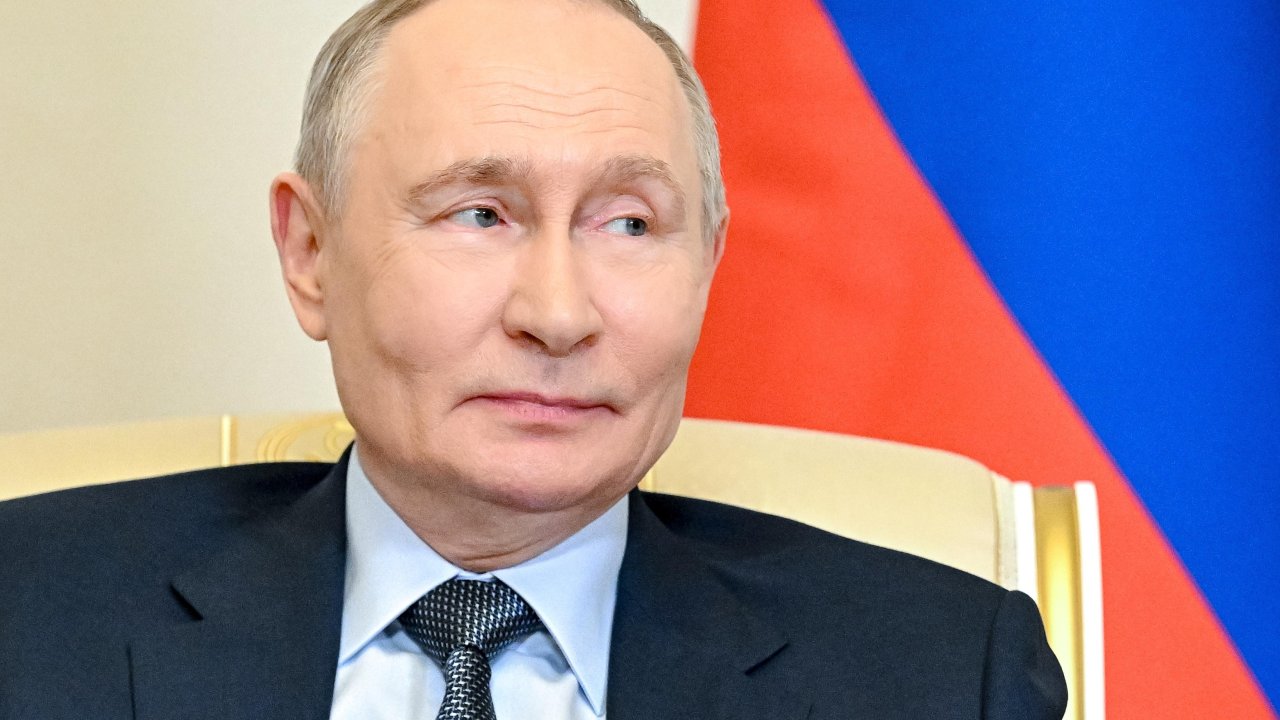
Putin Admits Using Oreshnik Missile for Testing in Ukraine
The “Oreshnik” Doctrine: Decoding Russia’s New Strategy of Precision Terror
The recent revelations regarding Russia’s use of the “Oreshnik” intermediate-range ballistic missile have sent shockwaves through international security circles. By openly admitting that the deployment over Ukraine was a “test run” for future, full-scale operations, the Kremlin has signaled a pivot in its tactical approach to the conflict. This is no longer just about territorial gains; This proves about psychological dominance and the calibration of next-generation weaponry in live, real-world environments.
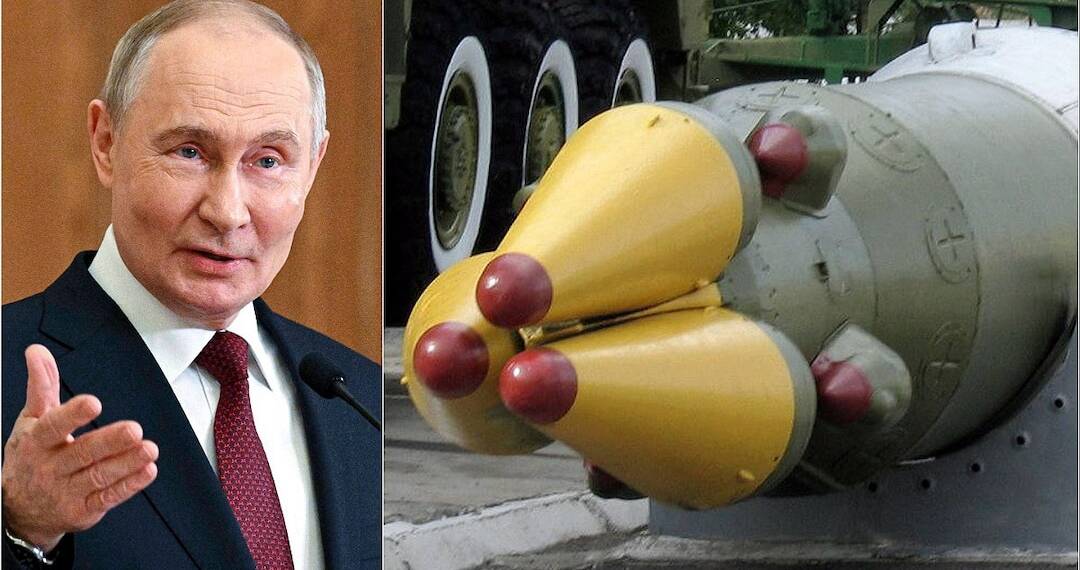
Weaponizing “Testing”: A Dangerous Precedent
Vladimir Putin’s admission that Russia hit targets simply to “observe the results” marks a grim shift in modern warfare. By using civilian infrastructure as a laboratory for ballistic testing, the Russian military is bypassing traditional R&D phases, effectively treating the Ukrainian landscape as a live-fire testing range. This strategy serves two purposes: refining the “Oreshnik” for future, more devastating strikes and creating a climate of perpetual uncertainty among the civilian population.
International legal experts have noted that targeting non-military infrastructure—even for the purpose of “testing”—falls squarely under the definition of war crimes. Despite this, the move suggests a Russian leadership increasingly indifferent to international norms, focusing instead on the long-term sustainability of their military-industrial complex.
The 2036 Horizon: Stability or Stagnation?
Beyond the battlefield, the rhetoric surrounding the Russian presidency points to a long-term entrenchment. With constitutional changes allowing for leadership until 2036, the focus in Moscow has shifted from immediate political survival to legacy building. This “long-game” approach implies that the current geopolitical friction is not a temporary anomaly, but a structural feature of the next decade.
For investors and global policymakers, this creates a “new normal.” When leaders speak of decades-long tenures, it signals a lack of interest in de-escalation. The global community must prepare for a prolonged period of instability, where diplomatic channels remain largely performative while military modernization accelerates.
Did You Know?
The Russian Constitution was specifically amended to reset presidential term limits, a move that allowed for the current leadership to remain in power well into the mid-2030s. This pattern of “cosmetic” democratic change is a frequent subject of study for political scientists tracking authoritarian consolidation.
Navigating the Future of Conflict
As we look forward, the trend is clear: the integration of advanced, high-precision weaponry with a “total war” mindset is likely to continue. The “Oreshnik” represents just one piece of a broader technological puzzle that includes autonomous drone swarms and hypersonic delivery systems.
To stay informed on these rapidly evolving threats, readers should follow our live news feed for the latest updates on regional security and defense policy.
Frequently Asked Questions (FAQ)
- What is the “Oreshnik” missile? It is an intermediate-range ballistic missile system that Russia has begun testing in a live combat environment to refine its accuracy and deployment capabilities.
- Is it legal to use civilian areas for weapon testing? No. International humanitarian law and the Geneva Conventions strictly prohibit targeting civilians or civilian infrastructure, regardless of whether the intent is “observation” or “combat.”
- How long can the current Russian leadership remain in power? Under current constitutional amendments, the presidency can be held until 2036.
What is your take on the evolving nature of missile warfare? Do you believe international sanctions are enough to deter these types of “testing” strikes, or is a more robust technological response required? Share your thoughts in the comments below or subscribe to our weekly newsletter for deep dives into global security trends.