
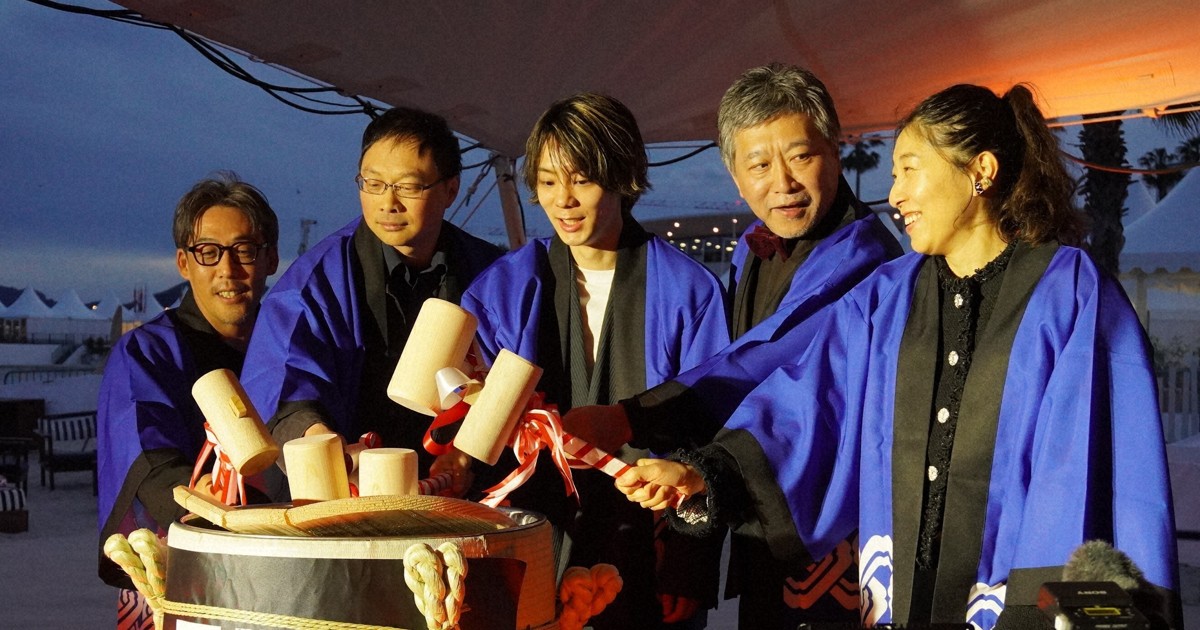
Japanese cinema, intellectual property step into global spotlight at Cannes
At the 79th Cannes Film Festival, Japan took centre stage not only through its artistic contributions in the competition section but as the official Country of honour at the Marche du Film. This dual presence signaled a significant shift in how the nation is positioned within the global cinematic landscape, balancing prestige with a booming commercial IP sector.
Guillaume Esmiol, executive director of the Marche, noted that Japan was selected for its status as a major filmmaking nation, citing both its creative output and the remarkable growth of its intellectual property. The festival provided a platform for this growth, moving the “Japan IP Market”—a venue for pitching novels, manga, and film concepts—directly to the heart of the Cannes market.
The Evolution of Japanese IP
The perception of Japanese content has shifted from “niche” to mainstream. Sanford Panitch, president of Sony Pictures Entertainment Motion Picture Group, highlighted that successful Hollywood adaptations, such as the Sonic the Hedgehog series and the Super Mario Bros. films, have grossed over 300 billion yen (approximately $1.88 billion) worldwide. This success is bolstered by the massive reach of platforms like Crunchyroll, which has seen its subscriber base triple over the last decade.

Industry experts suggest that the key to this sustained success lies in collaboration. By pairing producers who possess a deep understanding of the original work with Japanese creators, studios can better cultivate the committed fandoms that fuel global interest.
Future Implications for Live-Action Cinema
While anime currently dominates the global market, the path for live-action films remains more challenging. Directors such as Ryusuke Hamaguchi, Koji Fukada, and Hirokazu Kore-eda have utilized international co-productions to secure a foothold at festivals like Cannes. However, for younger or less established filmmakers, the industry is looking toward more aggressive promotion and networking to bridge the gap.
Looking ahead, the increased presence of overseas distributors at project pitches could lead to a higher volume of Japanese live-action exports. If the industry continues to utilize the Marche du Film as a primary hub for international business, we will see a greater variety of Japanese live-action works reaching global audiences, following the established success of the nation’s animation sector.
Frequently Asked Questions
Why was Japan chosen as the Country of honour at the 79th Cannes Film Festival?
Japan was selected due to its status as a major filmmaking nation with a strong market, great creativity, and the remarkable growth of its intellectual property, according to Marche executive director Guillaume Esmiol.

What is the primary role of the “Japan IP Market” at Cannes?
The market serves as a venue for companies holding rights to novels, manga, and film remakes to meet with overseas producers and distributors to conduct business talks and project pitches.
How are Japanese film companies changing their strategy?
The presidents of the four major companies in the Motion Picture Producers Association of Japan attended the festival together, signaling a shift toward collective action to support younger filmmakers and move beyond a purely domestic market focus.
As Japanese intellectual property continues to expand its global reach, do you believe we will see a similar surge in the international popularity of Japanese live-action cinema?