
Jeonbuk Province Accelerates Bid to Attract Key Agricultural and Bio Public Institutions
Jeonbuk Special Self-Governing Province is aggressively pursuing the relocation of additional public institutions to solidify its position as the nation’s primary hub for the agro-life industry. Building on the foundation established by the first wave of institutional relocations to the Jeonbuk Innovation City, the provincial government aims to bridge the gap between research and commercial application.
Strategic Integration of Research and Commerce
The province has already cultivated a robust research ecosystem, featuring the four major science institutes of the Rural Development Administration alongside the Korea Food Research Institute. Officials believe that attracting the National Agricultural Cooperative Federation (Nonghyup) would be a decisive step in scaling these research outputs. By connecting breakthroughs in seeds, microorganisms, and smart agriculture to established national distribution networks, the region could accelerate the nationwide commercialization of its agricultural innovations.
The vision extends to the entire lifecycle of the agro-life sector. For instance, the potential relocation of the Korea Racing Authority could link Jeonbuk’s existing livestock R&D and animal medicine infrastructure in Iksan and Jeongeup with the Saemangeum complex leisure zone. This would create a comprehensive cluster covering everything from breeding and feed production to tourism, and rehabilitation.
Strengthening the K-Food Value Chain
A significant focus remains on the Iksan National Food Cluster. While the region boasts a strong value chain for raw materials, processing, and distribution, it currently lacks the specialized policy finance and insurance mechanisms required to manage industrial risks. The provincial government posits that relocating the Agricultural Policy Insurance & Finance Service would provide the necessary financial backing to bolster K-Food’s export competitiveness and accelerate the development of a smart logistics hub.
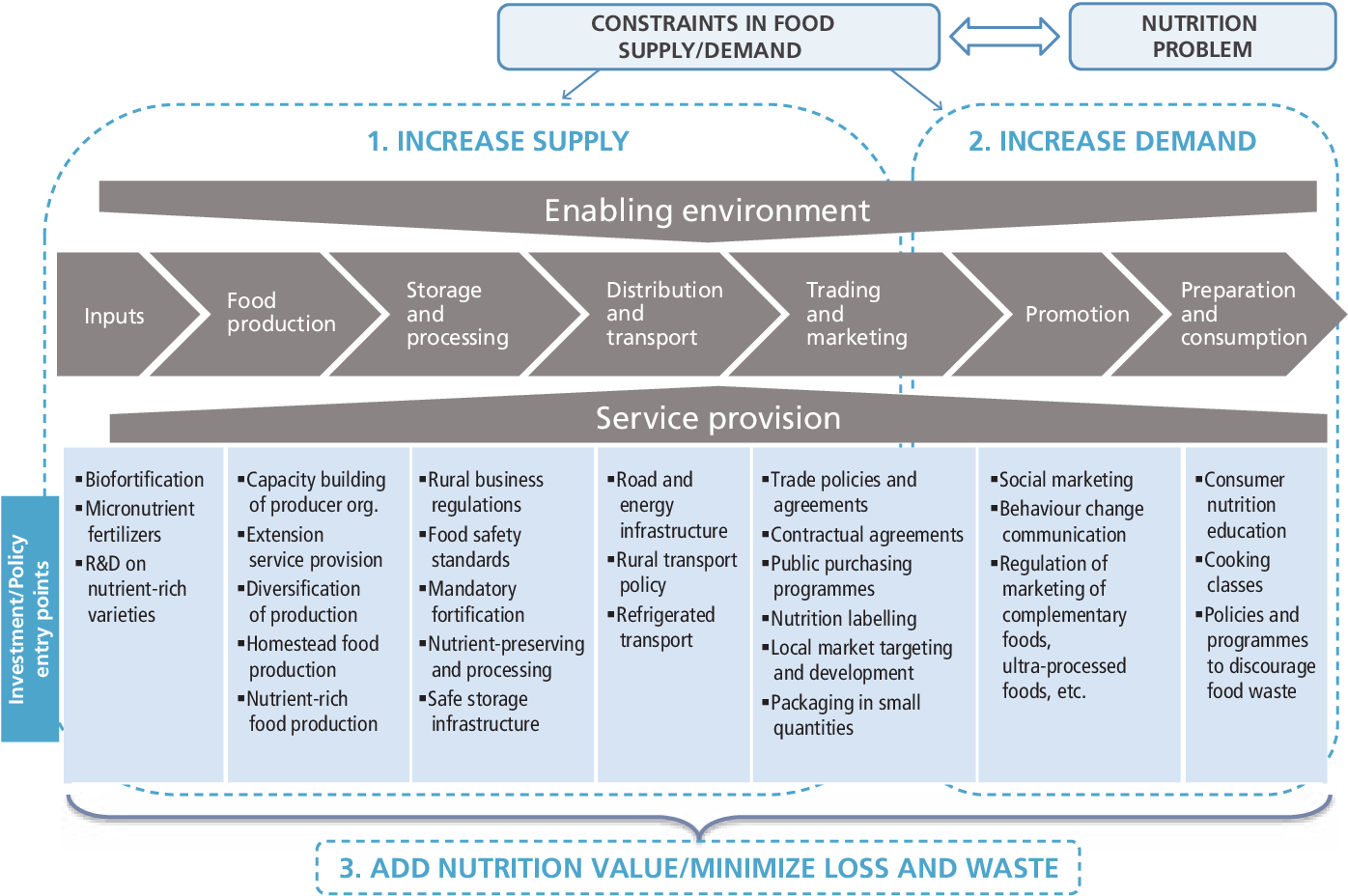
the integration of the Food Safety Information Service could provide the region with an optimal environment for real-time safety and quality control. If realised, this could enable a digitized, end-to-end food safety management system, spanning the entire process from initial production to final consumption.
Frequently Asked Questions
Why is Jeonbuk seeking to attract these specific public institutions?
The province aims to complete a full-cycle agro-life industry cluster. While it currently has strong research foundations, it requires additional capabilities in distribution, risk-mitigating policy finance, and food safety management to achieve significant industrial competitiveness.
How would the arrival of the National Agricultural Cooperative Federation (Nonghyup) impact the region?
The relocation is expected to allow research breakthroughs in seeds, microorganisms, and smart agriculture to be distributed nationally through Nonghyup’s existing network, thereby expanding the reach of local innovations.
What is the status of the regional horse industry infrastructure?
Since 2018, Jeonbuk has been designated as a Horse Industry Special Zone. It already possesses infrastructure for breeding, training, horse riding, and rehabilitation across Iksan, Gimje, Wanju, Jinan, and Jangsu.
Do you believe that concentrating specialized public institutions in a single region is the most effective way to foster industrial innovation?