
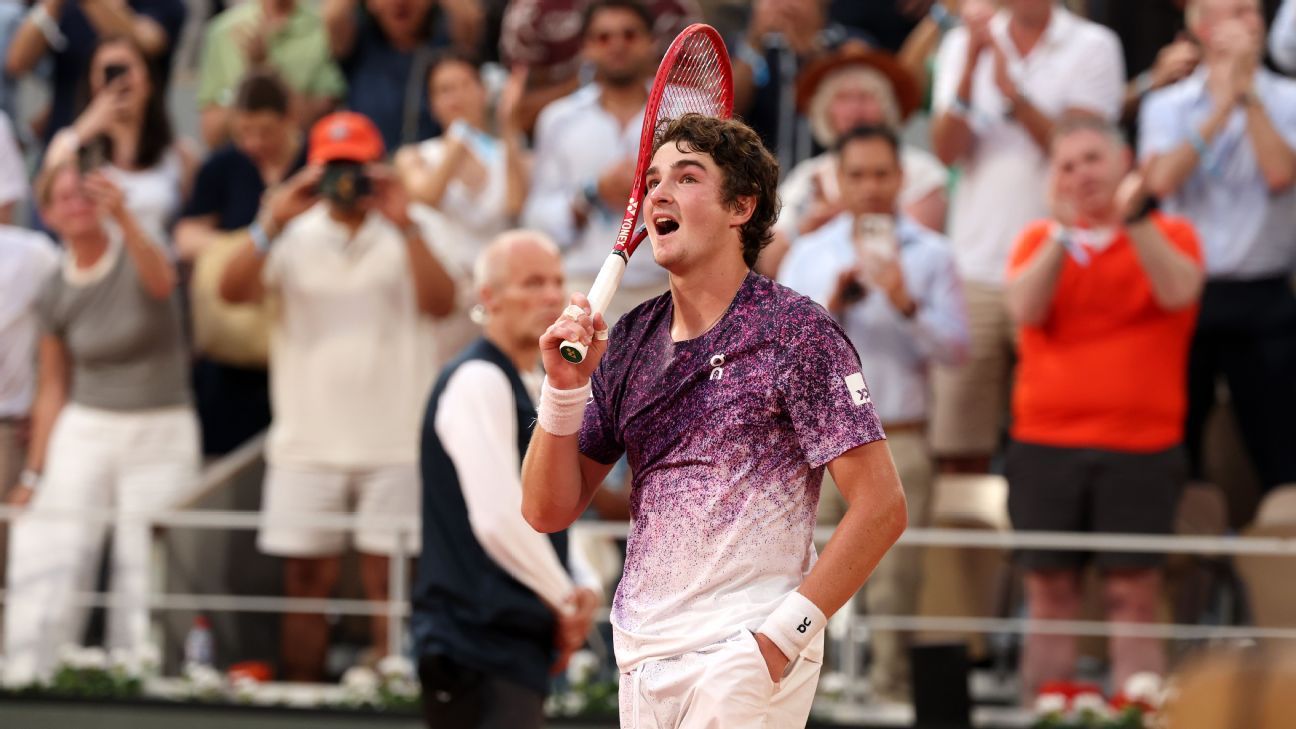
Joao Fonseca Stuns Novak Djokovic at Roland Garros
In a clash that pitted the established legend against the rising future, 19-year-old Brazilian Joao Fonseca achieved the unthinkable at Roland Garros. The No. 27 seed overcame a two-set deficit to defeat Novak Djokovic 4-6, 4-6, 6-3, 7-5, 7-5 in a grueling match lasting four hours and 53 minutes.
For the first two sets, the 39-year-old Djokovic appeared to be cruising toward the second week. However, the momentum shifted dramatically in the third set as Fonseca utilized powerful ball striking and masterful showmanship to seize control of the match on the Philippe-Chatrier court.
A Historic Collapse and a Teenage Surge
The match took a physical toll on Djokovic, who suffered an apparent hand cramp and vomited on court as fatigue set in. Fonseca capitalized on this vulnerability, breaking Djokovic in the first service game of the third set and eventually forcing a decider.
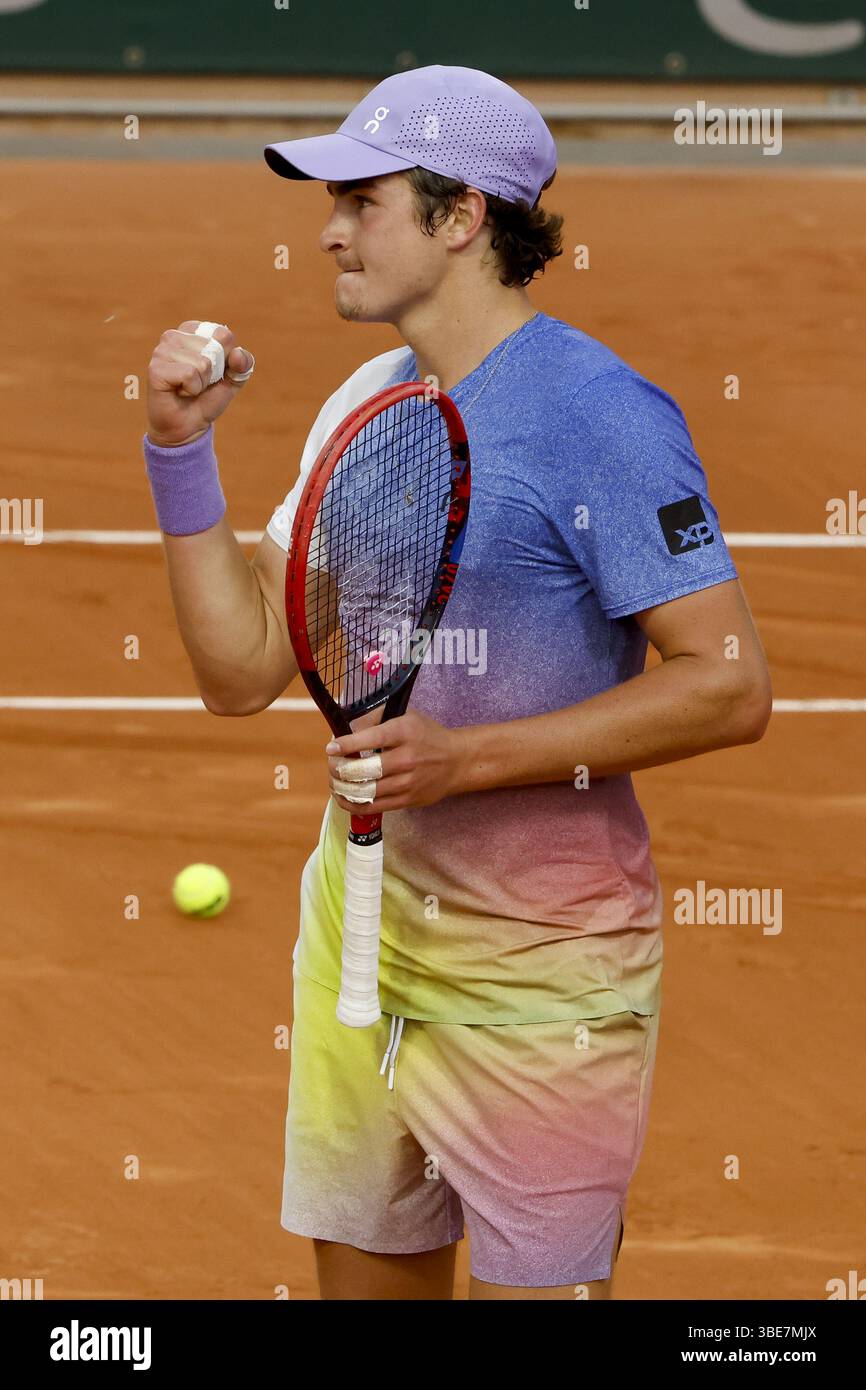
Fonseca closed the match with three consecutive aces, sending the crowd into a fever pitch. The victory marks a rare failure for Djokovic, who entered the match with a 288-1 record at majors after winning the first two sets.
The Significance of the Upset
This result creates a historic vacuum in the men’s draw. For the first time in the Open era, there are no major champions remaining in the men’s field entering a round of 16 at a Slam.
this tournament is set to produce a new major champion for the first time since Rafael Nadal did so in 2005. With top seeds like Jannik Sinner and Ben Shelton already eliminated, and Carlos Alcaraz absent due to a wrist injury, the field is wide open.
Djokovic’s Uncertain Future
Following the loss, Djokovic admitted he “ran out of gas” and praised Fonseca as the better player in critical moments. He noted that he had been recovering from a shoulder injury that kept him out for three months prior to the tournament.
When questioned about his future, Djokovic was emotional and stated he did not know if he would return to Roland Garros next year. While he did not explicitly announce his retirement, he gave an emotional wave and gestured a heart with his hands as he departed.
The Path to the Title
The vacancy at the top has shifted the odds for the remaining players. No. 2 seed Alexander Zverev currently holds the best odds to win the title, having faced Quentin Halys on Friday.
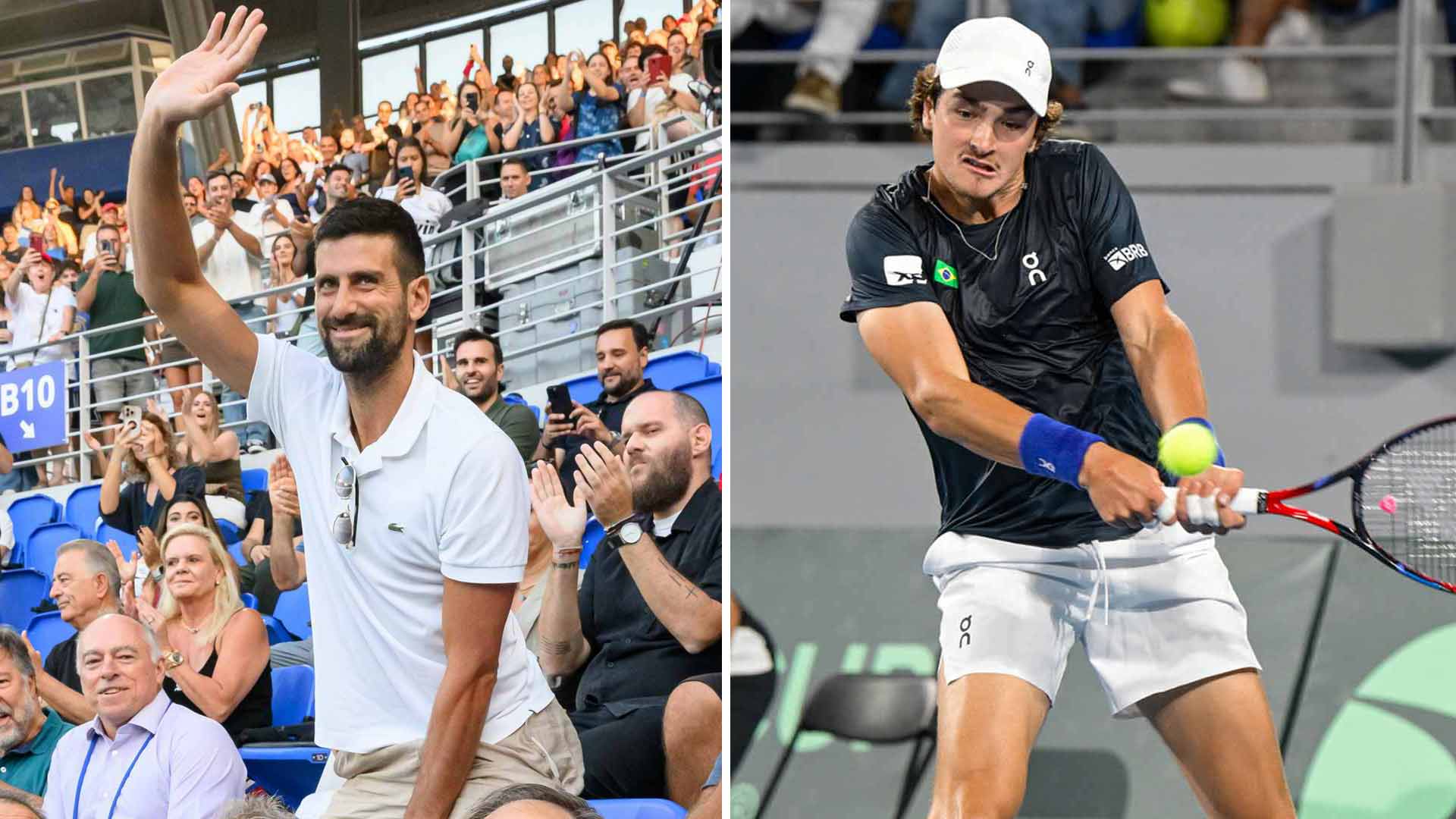
Other contenders include 19-year-old Rafael Jodar, who holds the second-shortest odds after defeating Alex Michelsen. Fonseca, now at +700, is scheduled to face two-time Roland Garros runner-up Casper Ruud on Sunday.
Other notable remaining players include No. 4 seed Felix Auger-Aliassime, who plays Brandon Nakashima, as well as Americans Frances Tiafoe and Learner Tien.
Frequently Asked Questions
How did Joao Fonseca win the match against Novak Djokovic?
Fonseca overcame a 0-2 set lead by raising his level in the third set, utilizing strong serving and powerful ball striking. He eventually won the match 4-6, 4-6, 6-3, 7-5, 7-5, closing it out with three consecutive aces.
What is the historical significance of Djokovic’s exit?
With Djokovic’s departure, there are no major champions remaining in the men’s draw for the first time in a round of 16 at a Slam in the Open era. This means the tournament will produce its first new major champion since 2005.
Why did Novak Djokovic struggle during the match?
Djokovic appeared heavily fatigued, suffered a hand cramp, and vomited on court. He also mentioned that he had missed much of the spring due to a shoulder injury and had only played two tournaments since the Australian Open.
With the men’s draw now devoid of major champions, who do you believe is most likely to seize this historic opportunity in Paris?