
Kannu festivāla filmas nonāks Latvijā
The 79th Cannes Film Festival has concluded, leaving behind a complex legacy defined by intense debate and polarized reactions. While the event is traditionally a celebration of global cinema, this year’s distribution of honors has sparked significant scrutiny regarding the cultural policies of Western institutions and the political messaging of the selected films.
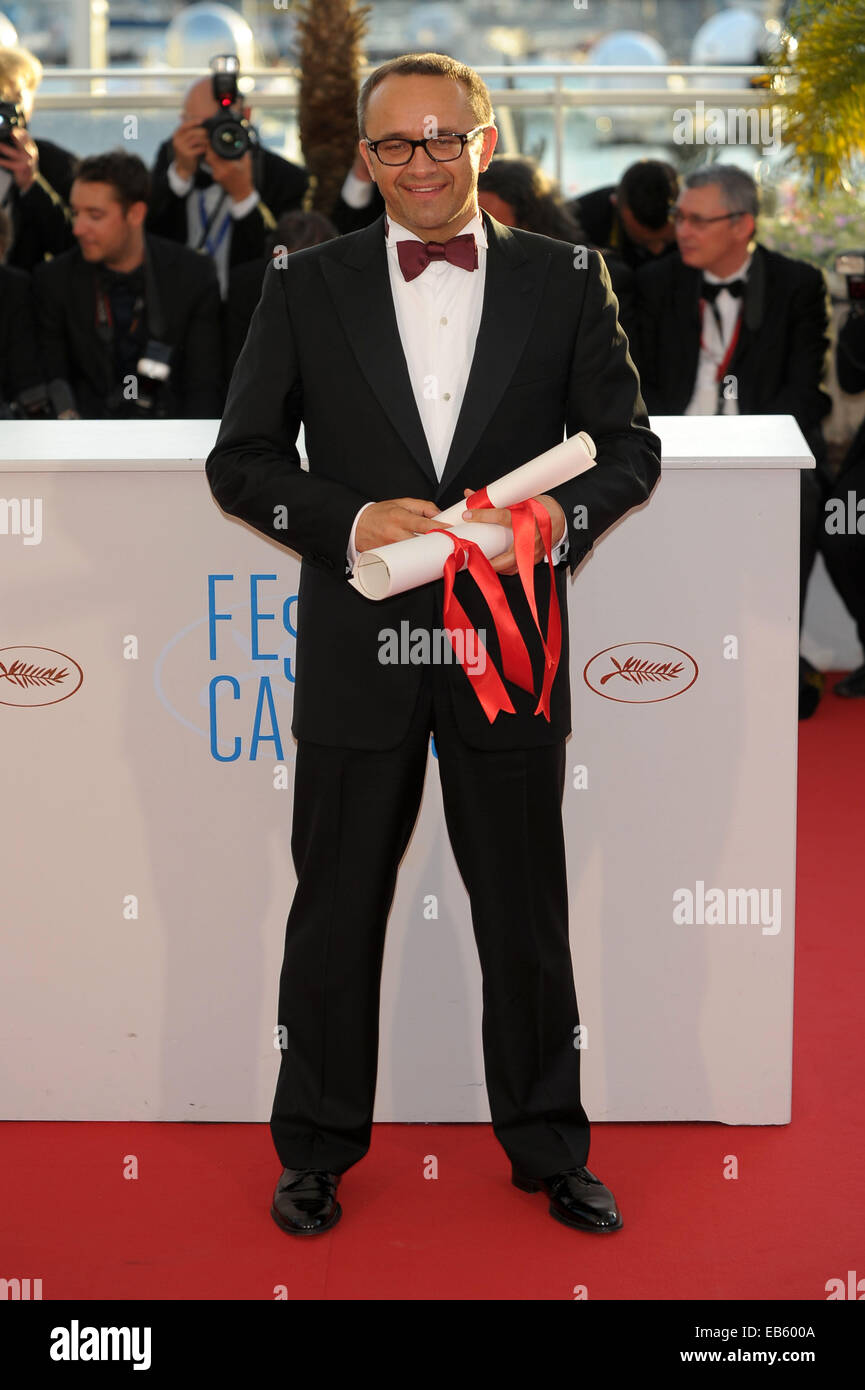
At the centre of this controversy is the decision to award the Grand Prix—the festival’s second-highest honour—to Minotaur, a film by Russian director Andrey Zvyagintsev. The film’s recognition, coupled with the director’s plea from the stage for an unnamed “Mr. President” to end the bloodshed, has drawn sharp criticism from Ukrainian and Baltic journalists. These observers have characterized the film and the director’s appeal as a display of passivity in the face of an authoritarian regime, while some members of the Russian emigrant press have framed the work as an act of civic courage.
The Controversy of Minotaur
Andrey Zvyagintsev, known for his previous works Loveless and Leviathan, returned to Cannes after a hiatus due to illness and emigration. Minotaur, which was filmed in Riga, presents a realistic drama centered on a wealthy Moscow transport company owner. The narrative, based on Claude Chabrol’s 1969 drama La femme infidèle, follows a jealous husband who commits murder, while secondary plot lines depict the same businessman preparing lists of employees to be mobilized for the front.
Critics argue that the film’s conclusion—where the murderer is sent on a vacation to warmer climates—reflects a lack of moral responsibility. With the film produced by France and Germany and supported by the LIAA, the choice of the jury, announced by actress Demi Moore on May 23, has raised questions about whether the international film community is adequately addressing the context of the ongoing aggression in Ukraine.
Did You Know? The plot of Minotaur is a modern adaptation of the 1969 French film La femme infidèle, which also served as the basis for the 2002 American remake Unfaithful.
A Shift in Narrative and Global Focus
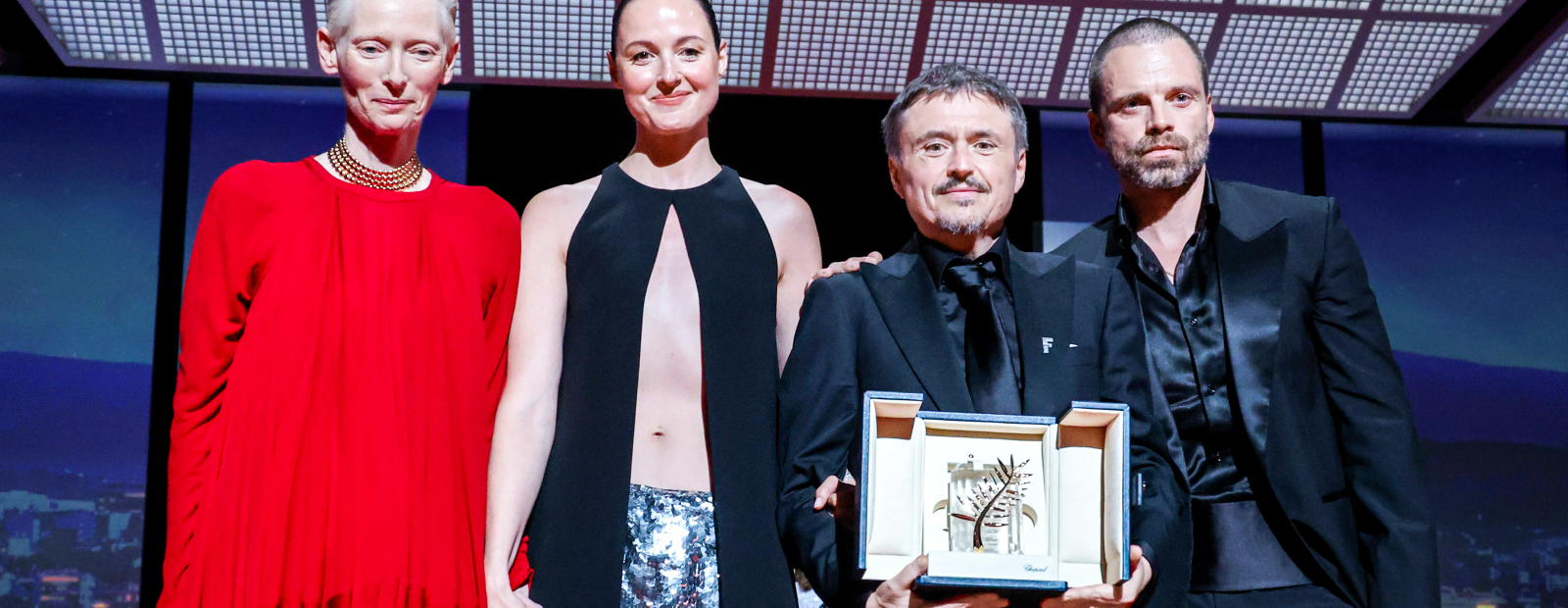
In contrast to the controversy surrounding Minotaur, the Palme d’Or was awarded to Fjord, directed by Romanian filmmaker Cristian Mungiu. The film, shot in English and set in Norway, explores the clash between conservative values and the bureaucratic processes of democratic institutions, following a family whose five children are removed by child protection authorities.
Other notable recognitions included the Best Director award, which was split between Pawel Pawlikowski’s Fatherland and the Spanish film The Black Sphere, directed by Javier Calvo and Javier Ambrosi. The festival also recognized performances in Lukas Dhont’s Coward, a film set during World War I that examines the lives of soldiers through the lens of cabaret performances.
Expert Insight: The split decisions in several award categories suggest a jury potentially divided on how to weigh artistic merit against the current sociopolitical climate. The reliance on historical contexts—from the Spanish Civil War to the World Wars—indicates a broader industry trend of using the past to process contemporary anxieties.
Looking Ahead
As the festival concludes, the long-term impact of these awards may continue to influence the discourse on international film funding and cultural responsibility. This proves likely that the ongoing debate surrounding Minotaur will persist, particularly as European audiences engage with the film’s portrayal of Russian business elites. The interest generated by films like the Latvian-produced Uļa, which premiered in the Un Certain Regard section, suggests that regional cinema will continue to seek and receive significant attention in future international circuits.
Frequently Asked Questions
Which film won the Palme d’Or at the 79th Cannes Film Festival?
The festival’s top prize, the Palme d’Or, was awarded to the film Fjord, directed by Romanian filmmaker Cristian Mungiu.
Why has the award given to Minotaur caused controversy?
The award has sparked debate because the film and the director’s subsequent appeal for peace are viewed by some critics, particularly from Ukraine and the Baltic states, as being disconnected from the reality of the ongoing Russian aggression, characterizing the work as lacking moral weight.
Did the festival award any films from the Baltic region?
While no Baltic film won a major award in the main competition, the film Uļa, a collaboration between director Viesturs Kairišs and actor Kārlis Arnolds Avots, premiered in the Un Certain Regard section and received notable international media attention.
How should international film festivals balance artistic recognition with the demands of current geopolitical realities?