
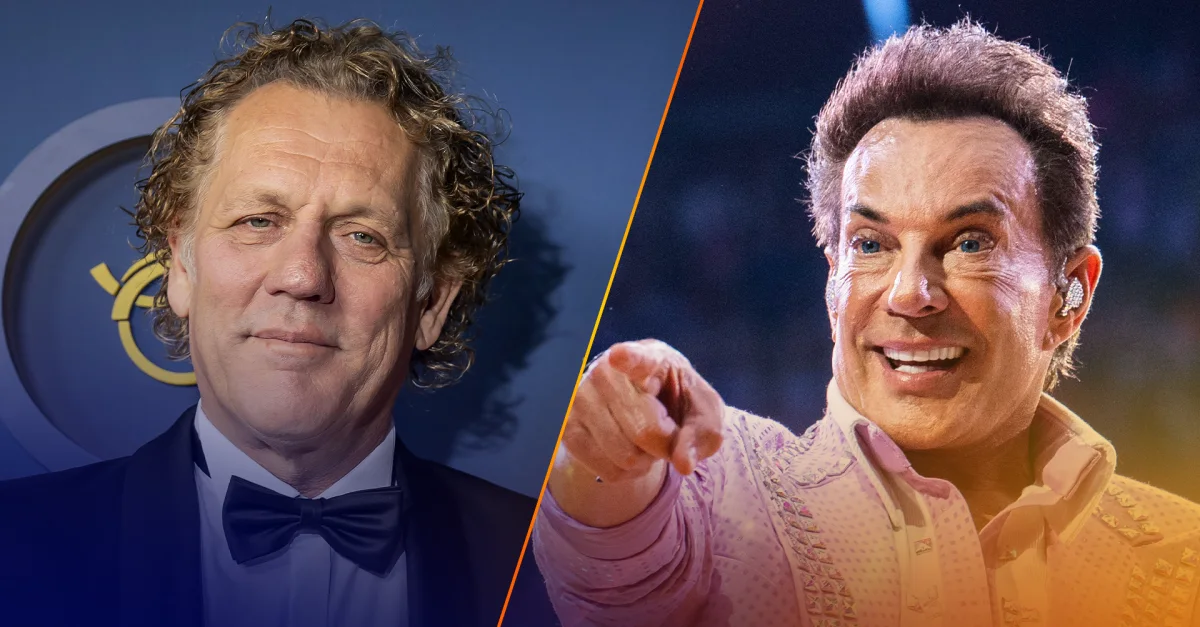
Kees van der Spek Nearly Investigated Gerard Joling Romance Scam
Television investigator Kees van der Spek recently revealed that his program, Kees van der Spek Ontmaskert, narrowly avoided featuring a high-profile case involving Dutch singer Gerard Joling. According to an interview with Weekend, Van der Spek was contacted by an Australian family whose relative had been deceived by an internet scammer posing as the singer. The victim had transferred her life savings to the fraudster, unaware of Joling’s actual career until her family conducted an online search.
Why are celebrity-impersonation scams increasing?
Celebrity-impersonation scams rely on emotional manipulation and the digital distance between public figures and their fans. According to the Australian Competition and Consumer Commission (ACCC), investment and romance scams involving fake personas frequently target vulnerable individuals who believe they are interacting with a trusted public figure. These scams often utilize deepfake technology or stolen social media content to maintain the illusion of authenticity over long periods. Unlike traditional phishing, these operations are tailored to the victim’s specific interests, making them significantly harder to detect without third-party verification.
Fraudsters often choose victims who are unfamiliar with the celebrity’s actual profile. In the case mentioned by Van der Spek, the victim only realized who “Gerard Joling” was after the scam was already underway and her family intervened.
How do investigations like ‘Kees van der Spek Ontmaskert’ function?
Van der Spek’s investigative process typically involves tracking the digital footprint of scammers and, when possible, orchestrating direct confrontations. However, these investigations require the victim’s full cooperation. Van der Spek told Weekend that the Gerard Joling case was ultimately dropped because the victim, after an intervention by her family, acknowledged the fraud and refused to participate in a television broadcast. This highlights a common barrier in consumer protection: the psychological reluctance of victims to admit they have been deceived on a public platform.
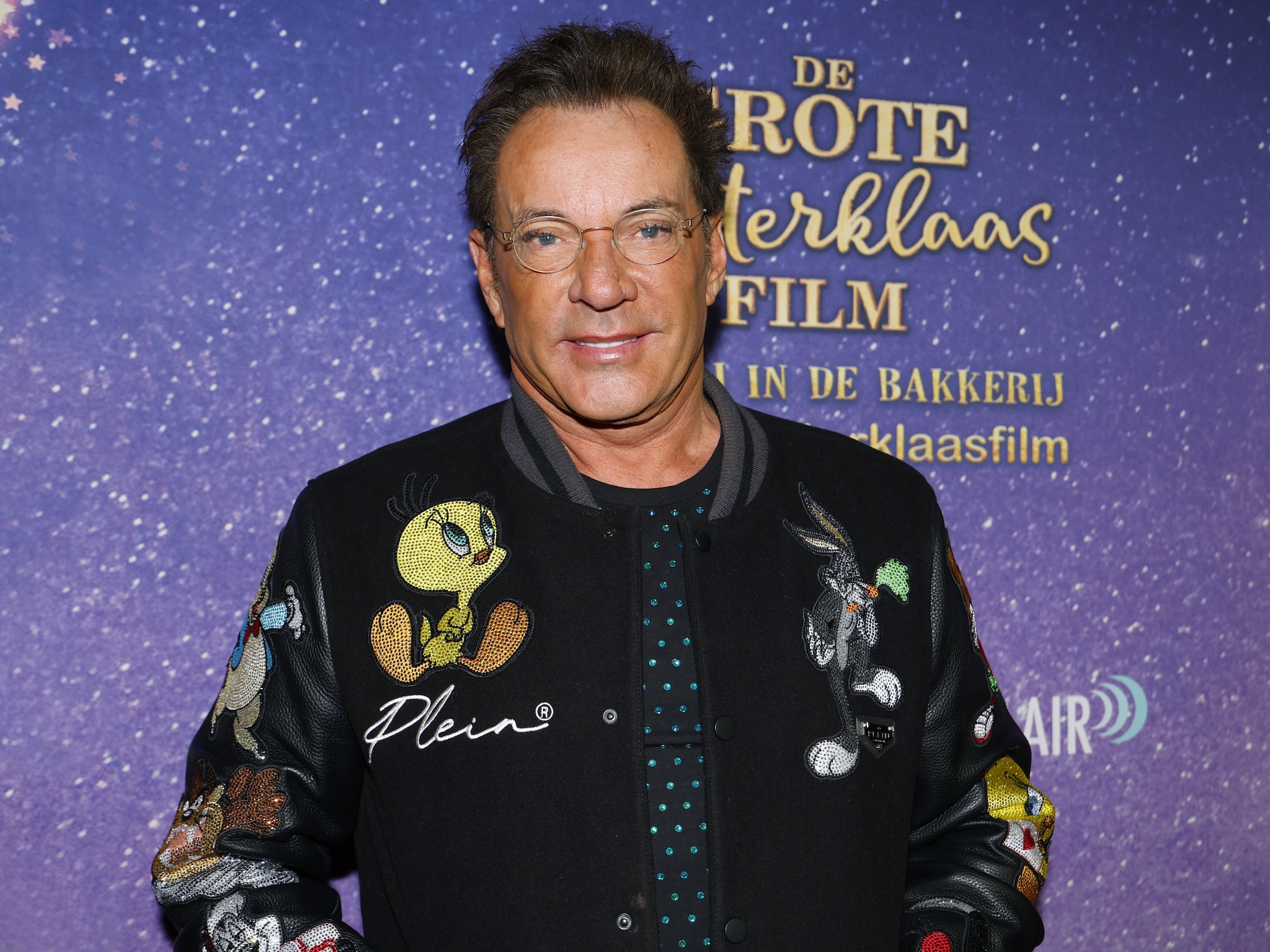
Comparison: Celebrity fraud vs. reality TV exploitation
The attempted investigation into the Joling case mirrors previous work by Van der Spek regarding reality television participants. For instance, the program previously investigated a fraud case involving Robert Jan, a former contestant on B&B Vol Liefde. While the Joling case involved a “fake” celebrity persona created by a criminal, the Robert Jan case involved a real public figure linked to a separate financial dispute. Both cases demonstrate how Van der Spek uses the visibility of well-known names to highlight broader issues of financial exploitation and digital safety.
Pro Tips for Identifying Online Fraud
- Verify the platform: Check if the social media account has a verified blue checkmark, though remember that these can sometimes be purchased or spoofed.
- Never send money: Legitimate celebrities or their representatives will never solicit personal financial transfers from fans.
- Perform a reverse image search: Use tools like Google Lens to see if the photos used by the “celebrity” appear on other websites or under different names.
Frequently Asked Questions
Why did the Gerard Joling investigation not air?
According to Kees van der Spek, the family of the victim decided against participating in the television program after a successful intervention helped the victim recognize the scam. Without the victim’s consent, the production could not proceed.

What is the typical goal of a celebrity impersonation scam?
The primary goal is financial gain. Scammers often create a “romance” or “investment” narrative to convince victims to transfer money under the guise of private support or exclusive opportunities.
How can I report a celebrity impersonator?
You should report the profile directly to the social media platform (e.g., Instagram, Facebook, or TikTok) and notify the official accounts of the celebrity involved so they can warn their followers.
Have you encountered suspicious messages from public figures online? Share your experiences in the comments below to help warn others, or subscribe to our newsletter for more updates on digital security and consumer protection.