

Kickstarter: Bring Back “The Blizzard of ’77 Travel Game
The Great Analog Comeback: Why We’re Returning to the Tabletop
In an era dominated by haptic feedback and 4K resolution, something strange is happening. We are witnessing a massive migration back to the physical. The revival of games like the “Blizzard of ’77 Travel Game” isn’t just a fluke of nostalgia; it’s part of a broader cultural shift toward “analog escapism.”

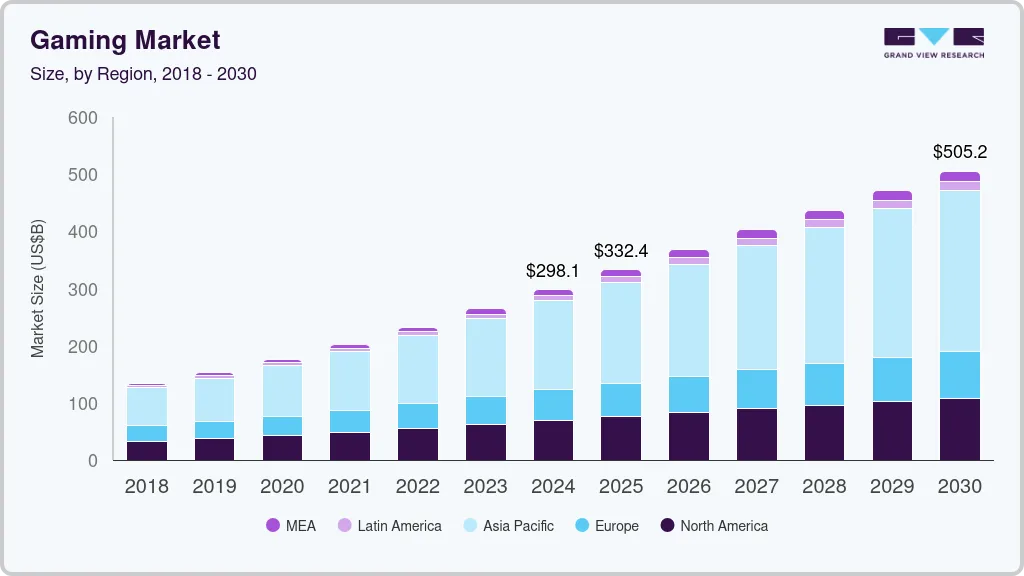
The global board game market is projected to continue its steady climb, with reports from market research firms like Grand View Research indicating a consistent CAGR (Compound Annual Growth Rate) as consumers seek “screen-free” social interactions. We are seeing a transition where gaming is no longer just for kids, but a primary social lubricant for adults.
The Psychology of the Tactile Experience
There is a profound difference between clicking a button and physically flipping a board to reveal a snow-covered landscape. This “tactile storytelling” engages the brain differently, creating stronger emotional anchors and more vivid memories.
Future trends suggest that more games will incorporate “physical twists”—mechanical changes to the board or environment—to keep players engaged. The “Blizzard Strikes” mechanic is a prime example of how physical interaction can mirror emotional tension, a trend we’re seeing in high-end “Legacy” style games where the board permanently changes as you play.
Hyper-Localism: The New Frontier of Branding
For decades, the goal of any product was mass-market appeal. But the tide is turning. We are entering the age of Hyper-Localism, where the most valuable products are those that speak to a very specific, shared regional identity.
The “Blizzard of ’77” isn’t just a game; it’s a cultural shorthand for Western New Yorkers. It taps into a collective memory of resilience and community. This “tribal” approach to product development is becoming a powerhouse in the e-commerce space.
We see this in the rise of regional snacks, city-specific apparel, and “heritage” brands. By targeting a specific geography and a shared history, creators can build a level of loyalty that national brands can’t touch. It transforms a customer into a member of a community.
The “Legacy Economy”: Turning Family Archives into Assets
The story of Paul Marino bringing back his father’s creation highlights a growing trend: the monetization of family legacy. We are seeing a surge in “archival entrepreneurship,” where the next generation digitizes or reproduces the intellectual property of their ancestors.
This isn’t just about money; it’s about storytelling. In a world of disposable content, “provenance”—the history of where something came from—adds immense value. A game created by a man stranded in a firehouse during a historic storm has a “story-equity” that a corporate-designed game lacks.
Expect to see more of this in the coming years, from restored vintage clothing lines based on family patterns to the revival of defunct local businesses through the lens of genealogy and heritage.
Crowdfunding as the New Gatekeeper
The shift from traditional publishing to platforms like Kickstarter has democratized the “greenlight” process. In the past, a regional game about a 1977 blizzard would never have survived a corporate boardroom pitch because the market was “too small.”

Today, the “small” market is exactly the point. Crowdfunding allows for Validated Demand. If 1,000 people in Buffalo want a game about a blizzard, the project is viable. This removes the risk for the creator and ensures the product is made for the people who actually love it.
FAQ: The Future of Nostalgia and Gaming
A: VR provides immersion, but board games provide connection. The trend is moving toward “social gaming” where the physical presence of other people is the primary draw.
A: No. Nostalgia is a powerful emotional tool that peaks during times of societal uncertainty. As the world changes rapidly, people cling to tangible reminders of “simpler times” or shared community triumphs.
A: By leaning into authenticity and niche storytelling. Big companies can’t replicate the genuine emotional connection of a family-owned legacy project or a hyper-local historical event.
Whether it’s through the revival of a classic travel game or the launch of a new regional heritage brand, the trend is clear: we are craving things that are real, things that have a history, and things that bring us back to the table together.
Do you think analog gaming will eventually replace digital entertainment for social gatherings? Let us know in the comments below, or share this article with someone who remembers the Blizzard of ’77!