

Knicks NBA Finals Timeline: 1999-2026
For the first time in 27 years, the New York Knicks have returned to the NBA Finals. Madison Square Garden is once again set to host championship basketball, signaling a definitive end to a quarter-century defined by frequent firings, roster instability and missed opportunities.
The city’s atmosphere has shifted, with blue and orange colours adorning subway entrances and a palpable energy surrounding the team. This resurgence marks a departure from the dysfunction that plagued the franchise through the tenures of various executives and head coaches, signaling a new era of stability and strategic growth.
A Shift in Strategy
The path to the finals has been characterized by a calculated approach to building a roster. Unlike the 1999 team, the current iteration of the Knicks moved away from short-term fixes, opting instead for gradual, deliberate personnel moves. This infrastructure was established after the hiring of Leon Rose in February 2020.
Rose, a former player agent, implemented a management style that prioritized strategic depth and professional continuity. By bringing in figures like Brock Aller to lead cap and strategy, and appointing Tom Thibodeau as head coach, the front office moved away from the “star-hunting” tendencies of previous regimes. This approach prioritized long-term assets over immediate, high-risk trades.
Key Inflection Points
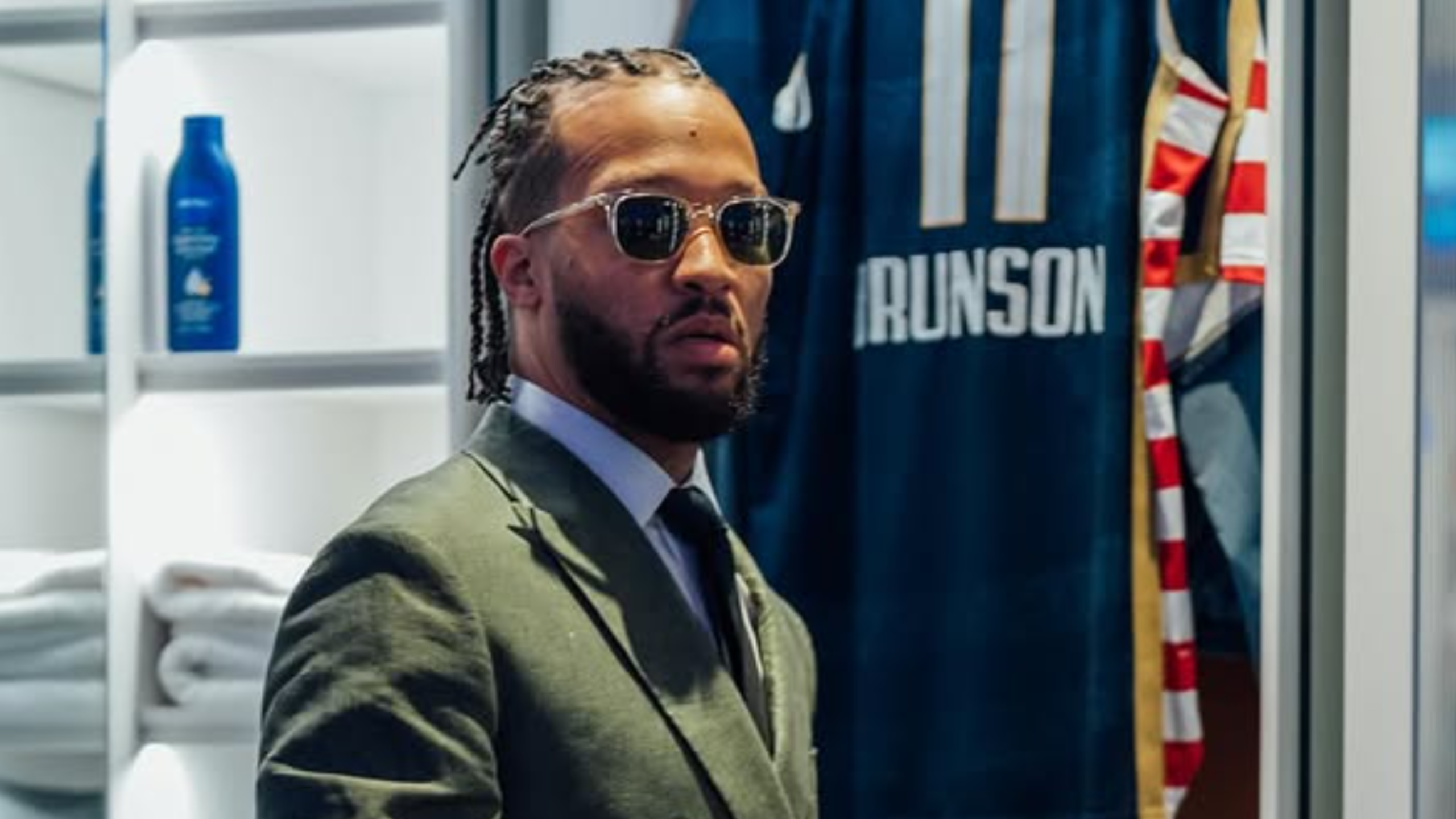
The team’s trajectory changed significantly with the 2022 signing of Jalen Brunson. Initially viewed as a controversial, market-busting contract, Brunson has emerged as the foundation of the franchise. His arrival, paired with the acquisition of energy players like Josh Hart and the defensive versatility of OG Anunoby, solidified a new team identity.
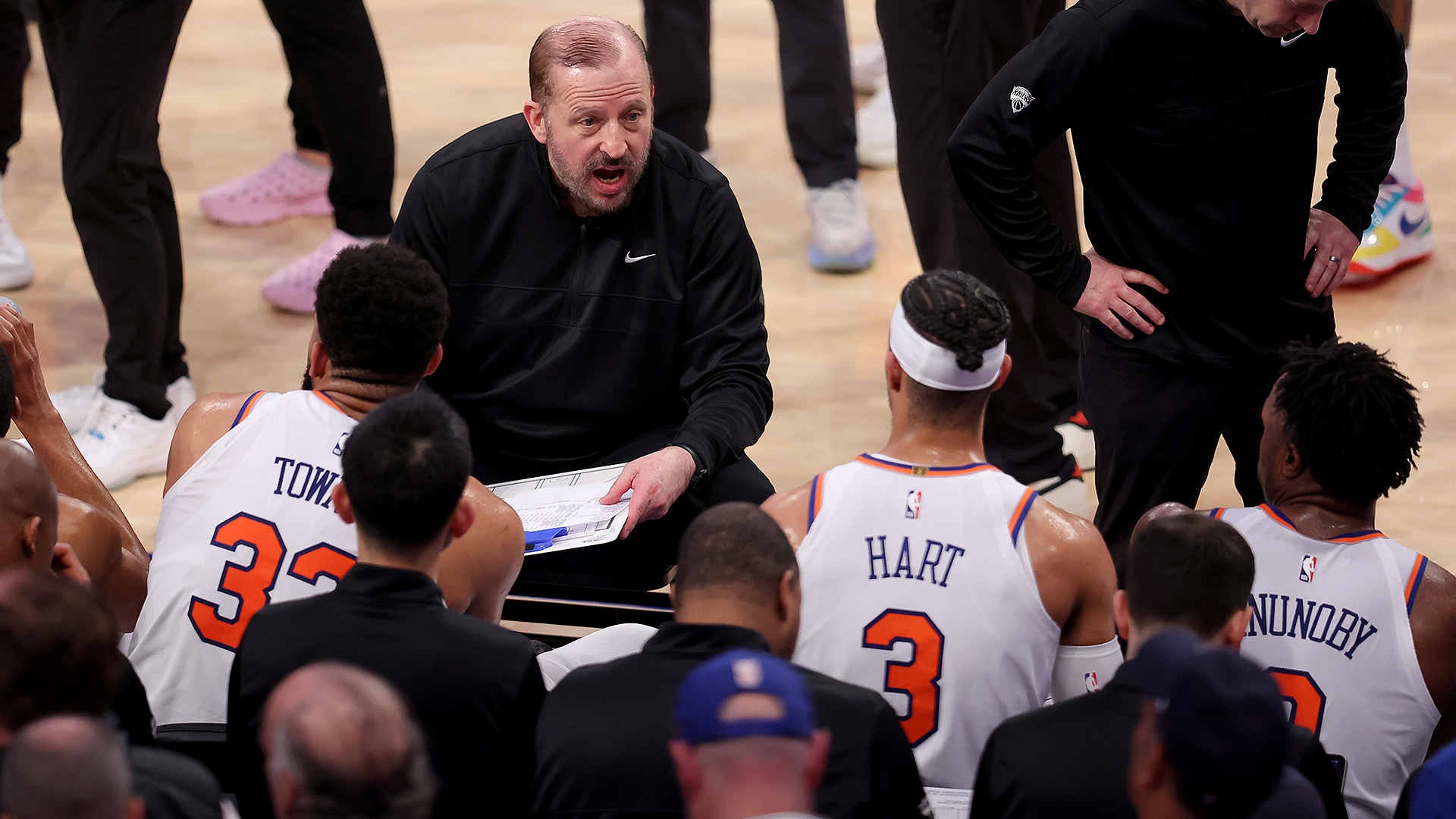
The roster was further refined through high-stakes trades, including the acquisition of Mikal Bridges and Karl-Anthony Towns. While the move for Bridges represented a departure from the team’s conservative asset-management strategy, and the trade for Towns raised initial questions regarding defensive impact, both moves have functioned as ceiling-lifters for the current squad.
Looking Ahead
As the Knicks stand within two wins of their first championship since 1973, the focus remains on the current coaching and roster structure. Under head coach Mike Brown, the team has met high expectations by pairing tenacious defence with an efficient offensive style. Analysts might suggest that if the team maintains this level of cohesion, they could cement their current core as a long-term fixture in the league. Conversely, should the team face further roster adjustments, the front office may look to their established strategy group to navigate future salary cap and personnel challenges.
Frequently Asked Questions
What was the most significant personnel decision for the current Knicks era?
The signing of Jalen Brunson in the summer of 2022 is considered the most consequential decision, as he has become the foundation of the team and a central figure in their return to championship contention.
How did the team’s approach to roster building change under Leon Rose?
The administration shifted from a history of volatile, star-hunting trades toward a thoughtful, diligent management approach that emphasizes building an infrastructure and making smart, gradual personnel moves.
Why was the trade for Karl-Anthony Towns considered a “ceiling lifter”?
Towns provided the team with an offensive hub capable of facilitating and scoring without being a defensive liability, effectively addressing the inefficiency and awkward spacing that persisted in previous iterations of the lineup.
What do you think is the most important factor in the Knicks’ ability to sustain this level of success in the coming seasons?