
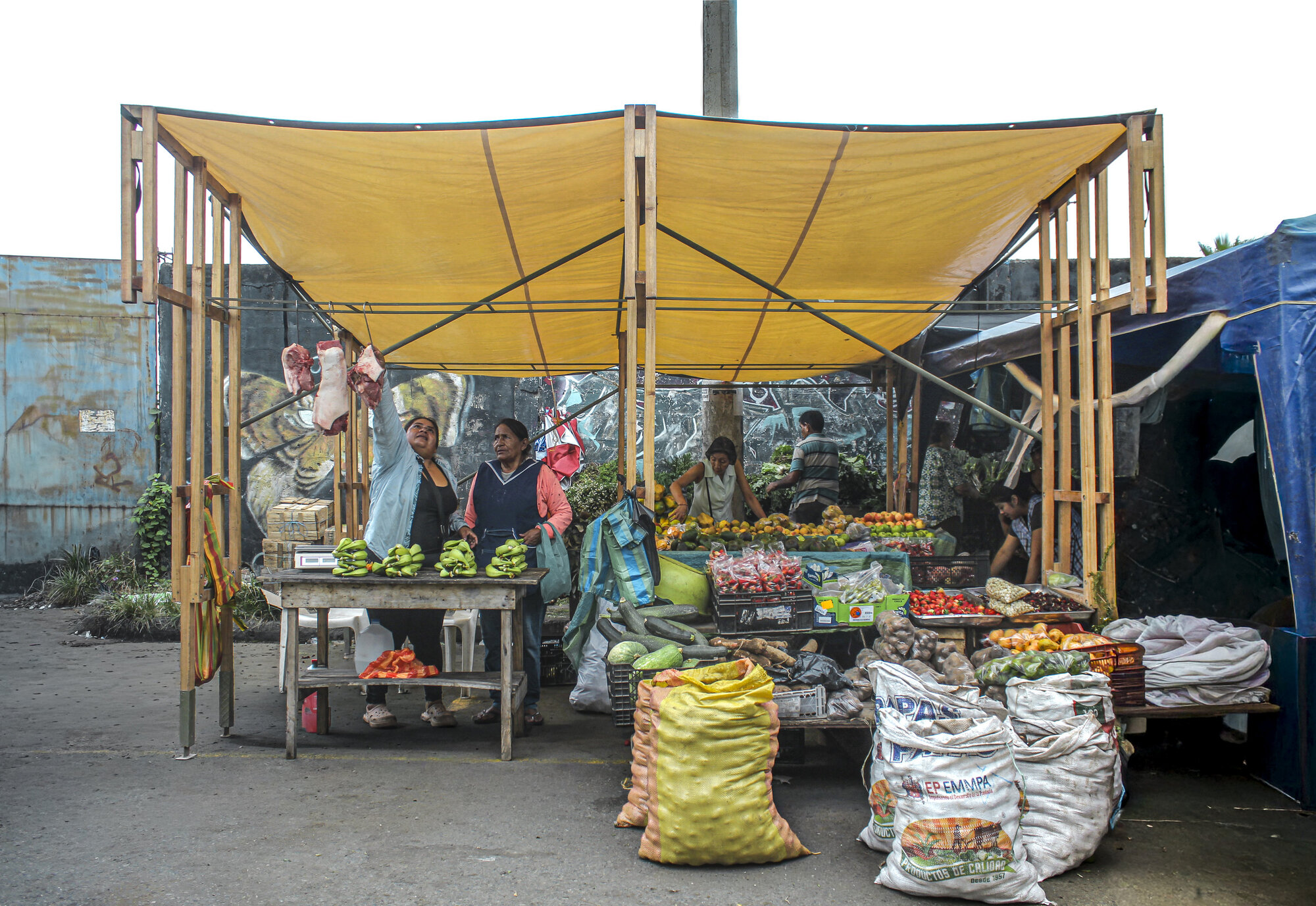
La Carpa: Replicable Module for Dignifying Latin American Street Markets
In Durán, Ecuador, a new architectural initiative known as La Carpa is addressing a critical void in urban infrastructure. Developed in 2025, the project focuses on the 16-square-meter footprint of the local itinerant market, which serves as a fundamental food source for the community.
For more than 30 years, this market has operated every Saturday under challenging conditions. Vendors have historically faced exposure to harsh weather, significant security concerns, and a lack of institutional support. These environmental and systemic pressures have compromised the sustainability of the vendors’ livelihoods, the quality of the goods provided, and the overall access to affordable food for the local population.
Addressing Economic Vulnerability
The design of La Carpa serves as a direct intervention intended to stabilize these informal commerce zones. By providing a structured space, the project seeks to mitigate the risks associated with the previous lack of infrastructure. This shift is aimed at reversing the cycle of economic and food-related vulnerability that has persisted in the area for decades.
Future Implications for Informal Trade
Looking ahead, the success of the 16-square-meter model in Durán could provide a blueprint for other urban areas facing similar challenges. If the infrastructure proves effective in stabilizing daily operations, similar modular interventions could be scaled or adapted to other regions where street markets are essential to local food security.
However, the long-term impact will likely depend on the continued maintenance of these structures and the ongoing engagement of the local community. Analysts may look to this project to determine whether small-scale architectural solutions can serve as a sustainable alternative to larger, more capital-intensive public works projects.
Frequently Asked Questions
What is the primary purpose of La Carpa?
La Carpa is designed to serve as an infrastructure project that dignifies popular commerce in markets by providing a more stable and secure environment for vendors.

How long has the itinerant market in Durán been operating?
The market has operated every Saturday for more than 30 years.
What challenges did vendors face prior to this project?
Vendors operated in precarious conditions, including exposure to the elements, security issues, and a lack of support from government entities.
How might the formalization of market spaces influence the economic resilience of communities that rely on street-based commerce?