
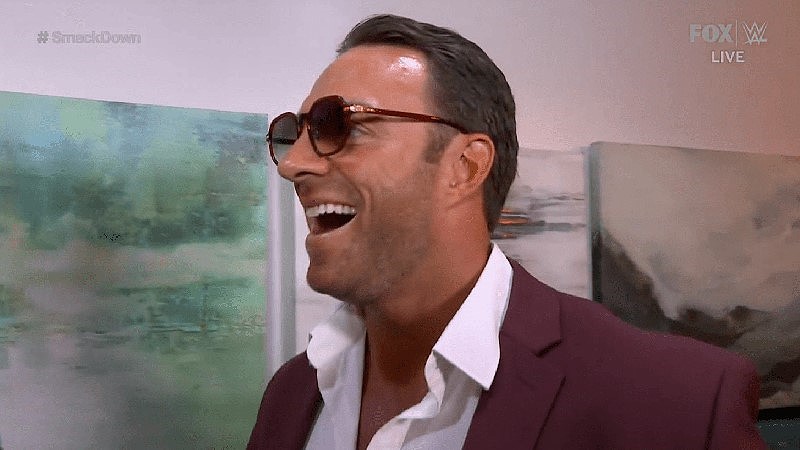
LA Knight Reveals Vince McMahon’s Creative Direction for Max Dupri Character
The road to stardom in professional wrestling is rarely a straight line, and for LA Knight, the journey to becoming a WWE fan favourite was marked by significant creative friction. In a recent appearance on Insight with Chris Van Vliet, the performer pulled back the curtain on his main roster debut, detailing the disconnect between his own instincts and the specific, often restrictive, vision held by then-creative lead Vince McMahon.
At the center of this struggle was the short-lived character known as Max Dupri. While Knight had built a reputation for his distinct, high-energy persona, his arrival on the main roster at age 39 resulted in a directive to suppress those very traits. According to Knight, McMahon was largely unfamiliar with his established work, leading to a mandate to “talk soft” and abandon the mannerisms that had defined his career prior to the call-up.
Before the Max Dupri character was developed, Vince McMahon was reportedly impressed by a specific in-ring performance from LA Knight during a match against Roderick Strong.
A Conflict of Creative Vision
The development of the Max Dupri persona was predicated on a specific pitch: a role modeled after the legendary Roddy Piper. Knight was told he would serve as a mouthpiece and manager, similar to how Piper operated early in his career, with the expectation that he would eventually transition into a full-time in-ring competitor.
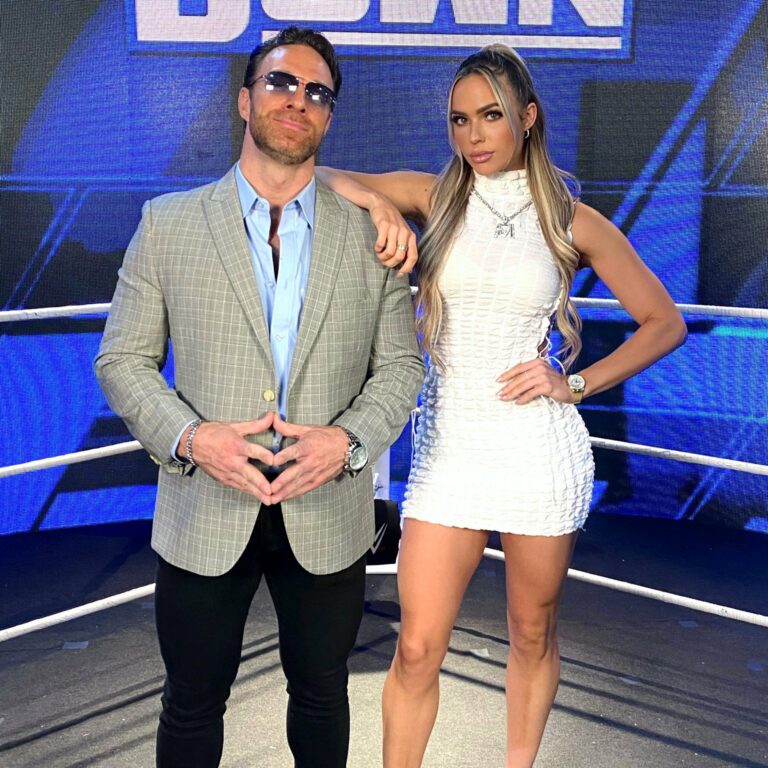
However, the execution of the character proved to be a source of immediate frustration for Knight. During rehearsals for his debut, he was instructed to present himself in a way that felt unnatural to his style. He recalled being asked to speak as softly as possible and receiving confusing, abstract directions regarding his physical presentation, which he felt hindered his ability to connect with an audience.
The struggle between a performer’s established identity and a promoter’s top-down creative direction is a recurring theme in the industry. By forcing a talent to adopt a persona that contradicts their natural strengths, management risks stalling momentum. Knight’s eventual return to his original character suggests that the most successful performers are those who can align their authentic voice with the company’s broader narrative.
The Path Forward and Implications
The failure of the Max Dupri character to gain traction with fans serves as a case study in the importance of creative alignment. Because the character did not resonate, the organization eventually opted to pivot, allowing Knight to revert to the persona that had originally made him a standout. This transition allowed him to regain his footing and build the significant momentum he enjoys today.
Looking ahead, We see likely that future creative decisions involving established talent will be viewed through the lens of this experience. A possible next step for the industry may involve a more collaborative approach to character development, prioritizing the traits that made a performer successful in the first place rather than imposing restrictive, experimental roles. Analysts expect that by allowing performers to lean into their established strengths, the creative process could yield more sustainable and authentic audience engagement.
Frequently Asked Questions
Why was LA Knight initially positioned in a managerial role?
At the time of his call-up, Knight was 39 years old, and Vince McMahon reportedly preferred to utilize him as a manager rather than pushing him as an in-ring star.
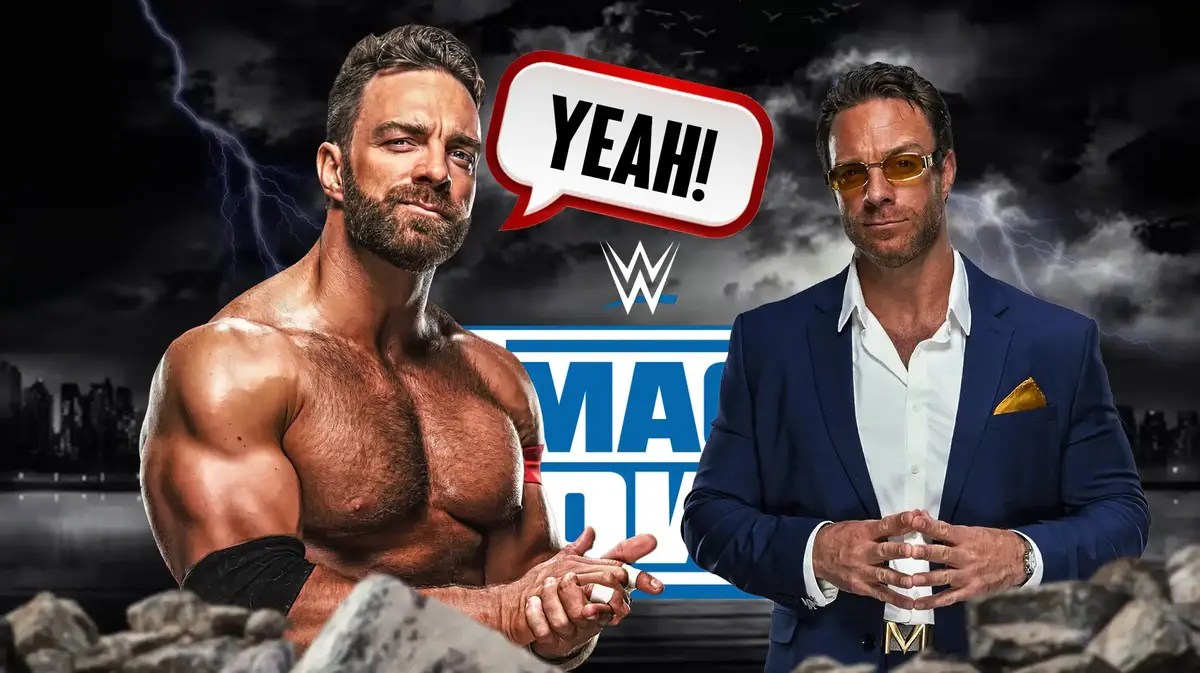
What was the inspiration behind the Max Dupri character?
The character was pitched to Knight as being similar to the early career of Roddy Piper, where he would act as a mouthpiece and manager before eventually becoming a full-time wrestler.
How did the creative direction change after the Max Dupri character failed?
WWE ultimately transitioned Knight back to his original persona, which allowed him to reconnect with the audience and regain his momentum.
Do you believe a performer’s previous independent success should dictate their creative path when they join a major global organization?