

Laptop Price Hikes Fuel Honor Tablet Sales Surge in Indonesia
The Great Pivot: Why Tablets Are Quietly Replacing Laptops in Emerging Markets
For years, the tech industry pushed a narrative that tablets were merely “consumption devices”—perfect for Netflix and scrolling through social media, but useless for “real work.” However, a perfect storm of global supply chain volatility and shifting economic realities is flipping that script.

When semiconductor shortages drive up the cost of RAM and processors, the price of entry-level laptops skyrockets. For a student or a freelance professional in a market like Southeast Asia, the choice becomes stark: buy an overpriced, mediocre new laptop or a high-performance, sleek tablet that can actually handle the workload.
The “Value Gap” and the Rise of the Budget Power User
We are witnessing the birth of the “Budget Power User.” These are consumers who refuse to compromise on performance but are priced out of the traditional laptop market. When a brand like Honor offers a tablet with a modern chipset and a vivid display for the price of a decade-old refurbished laptop, the value proposition becomes undeniable.

This isn’t just about price; it’s about the price-to-performance ratio. Modern tablets now boast OLED screens and battery life that put many budget laptops to shame. When you add a Bluetooth keyboard and a stylus, the tablet transforms from a media player into a productivity hub.
For more on how to choose the right device, check out our guide on the best budget productivity tools for 2024.
Supply Chain Hedging: The Move from “Just-in-Time” to “Just-in-Case”
One of the most fascinating trends emerging from the current crisis is how manufacturers are handling currency fluctuations and component shortages. The traditional “Just-in-Time” inventory model—where parts arrive exactly when needed—is failing in a volatile economy.
Forward-thinking companies are now adopting bulk buying strategies. By purchasing massive quantities of components during price dips or before a currency devaluation (such as the Rupiah against the USD), brands can lock in costs. This allows them to maintain stable retail prices while their competitors are forced to hike prices every time the exchange rate fluctuates.
This strategic stockpiling is becoming a competitive advantage. In the world of consumer electronics, the company that manages its inventory most conservatively often wins the market share during an economic downturn.
The Future of Selective Product Launching
The era of “throwing everything at the wall to see what sticks” is over. We are moving toward a period of Hyper-Selective Portfolio Management. Brands are no longer launching ten different smartphone models a year; instead, they are analyzing specific “sweet spots” in consumer purchasing power.
For instance, identifying that the 3-to-7 million IDR range is the “golden zone” for consumers allows a company to optimize its R&D. Instead of creating a flagship phone that only 1% of the population can afford, they are refining “mid-range monsters”—devices that feel premium but fit the actual budget of the masses.
This trend is mirrored in global data from IDC, which suggests a growing preference for “value-segment” devices in emerging economies over prestige-priced flagships.
Will the Laptop Ever Recover?
Laptops aren’t dying, but they are evolving into niche tools for high-end creators and gamers. For the average user—the student, the admin, the remote worker—the tablet is no longer a secondary device. It is becoming the primary machine.
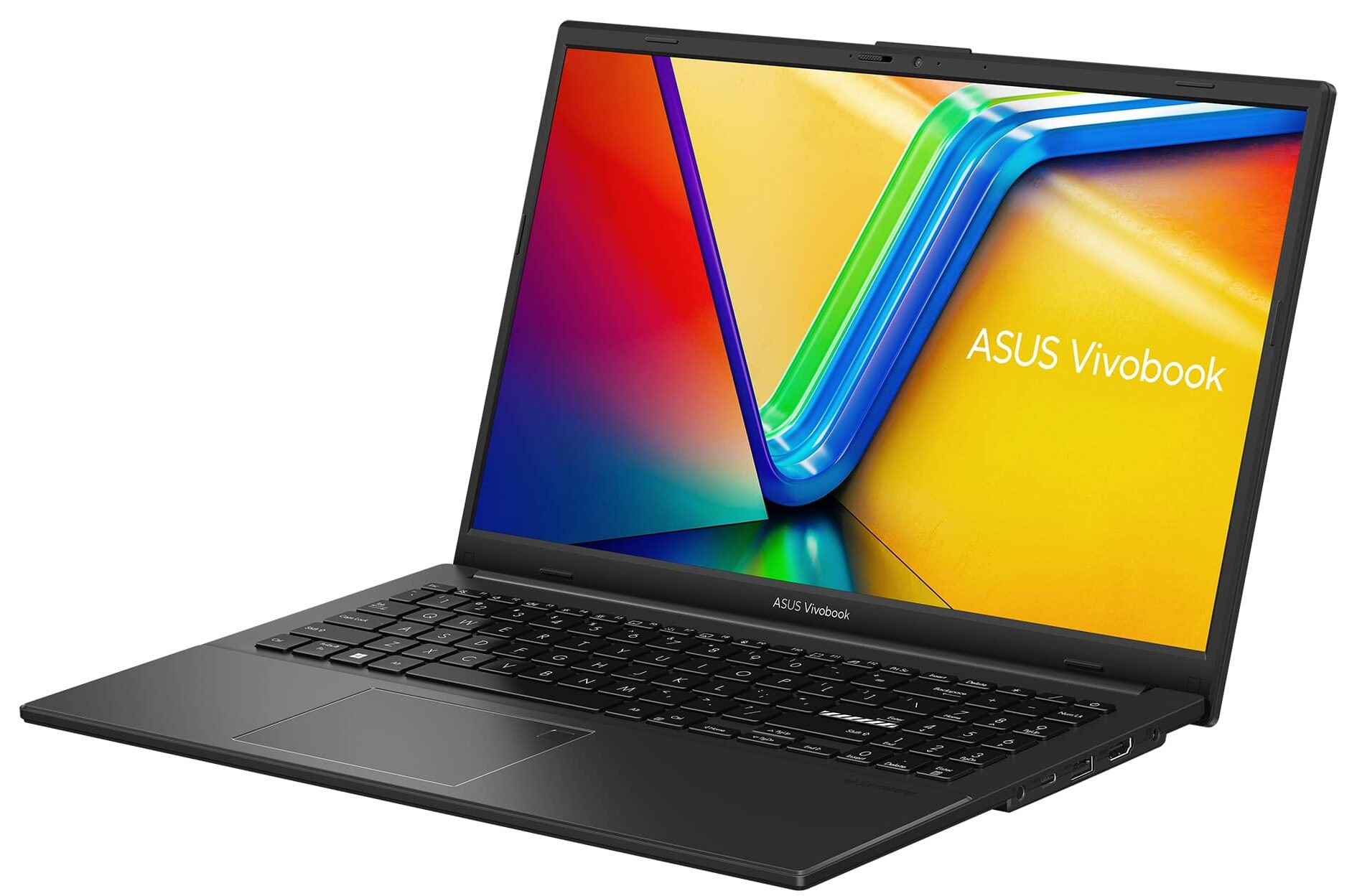
As software developers continue to optimize apps for larger screens and multitasking, the “need” for a full Windows or macOS environment is diminishing for a large portion of the global population.
Frequently Asked Questions
For 80% of users—those focusing on emails, document editing, web research, and streaming—yes. However, for heavy video editing, complex coding, or specialized software, a laptop remains essential.
Why are tablet prices more stable than laptop prices?
Tablets often share components with smartphones, which are produced in much higher volumes, creating better economies of scale and more flexible supply chains compared to specialized laptop parts.
What should I look for in a productivity tablet?
Prioritize RAM (at least 6GB-8GB) and look for devices that support external peripherals like keyboards and styluses. Ensure the OS supports a “desktop mode” or advanced multitasking.
What do you think? Are you considering switching your primary device to a tablet, or do you still believe the laptop is king? Let us know in the comments below or share this article with someone looking for a tech upgrade!
Want more deep dives into tech trends and consumer electronics? Subscribe to our weekly newsletter to stay ahead of the curve.