
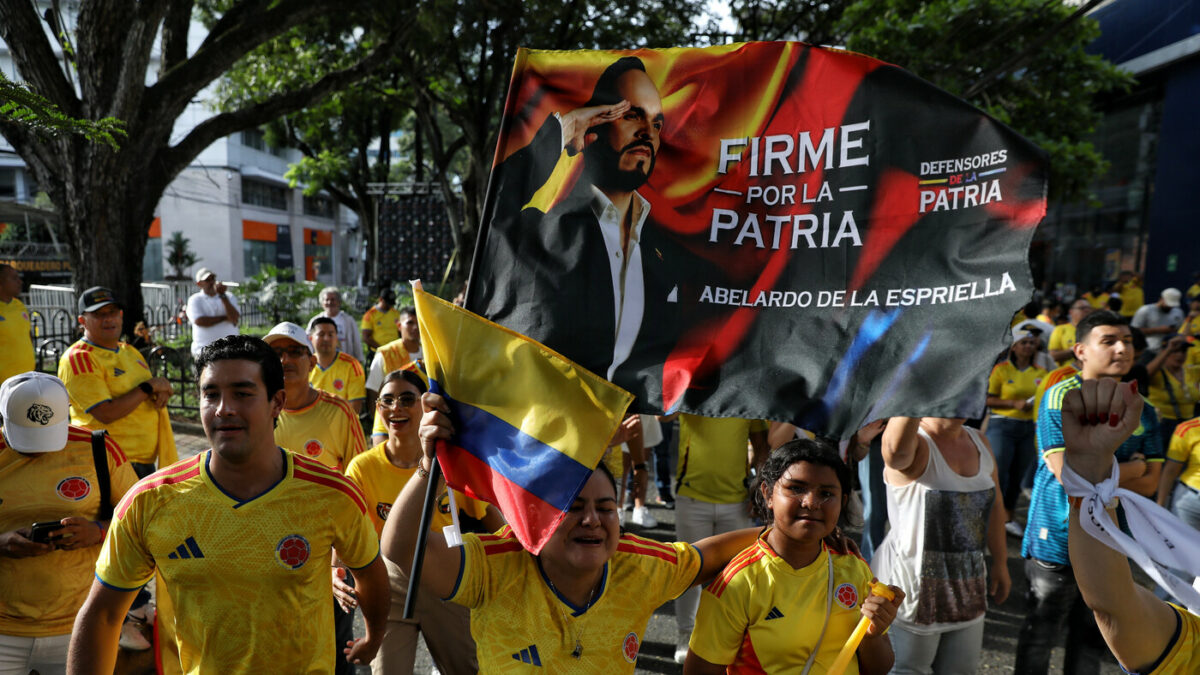
Latin America Shift: The Rise of the Pro-Trump Right and the End of Socialist Influence
A right-wing political shift is reshaping Latin America as pro-Trump, conservative movements win consecutive elections across seven nations, including Colombia, Chile, and Ecuador. This regional realignment is marked by a pivot toward U.S.-aligned security policies, the reduction of social welfare programs, and a departure from the “concrete utopia” of regional integration models previously championed by leaders like Hugo Chávez, according to reports on recent electoral data.
Why Is the U.S. Influence Increasing in Latin America?
The current political shift follows a significant reduction in U.S. foreign aid, specifically an 83% cut in USAID funding initiated during the Trump administration. According to analyst Mary Rooke, this funding shift effectively halted the regional growth of left-wing political candidates. Former President Donald Trump described these cuts as a strategy to eliminate funds used for purposes outside of “real humanitarian aid,” effectively ending a long-standing pattern of Democratic-led governance in the region.

The current “Shield of the Americas” coalition prioritizes security investments over social development. This shift has resulted in the deployment of foreign military forces in Ecuador, authorized under Executive Decree 424, which grants these personnel legal immunity.
What Happens to Social Welfare When Aid Is Cut?
The withdrawal of $1.7 billion in regional development aid has left a vacuum in social services, particularly for vulnerable populations. Merarys De Uzcategui, a former volunteer at the Venezuela-Colombia border, reports that most organizations in the Caribbean region that previously relied on USAID have shuttered. In Ecuador, the UNHCR has withdrawn from several cities, including Ibarra and Cuenca, forcing humanitarian workers to scale back both food programs and psychological support, according to former operator Josué Marquez.
How Does the “Cultural Battle” Shape Policy?
Conservative leaders in the region are increasingly adopting a unified lexicon to frame political discourse. Figures such as Javier Milei in Argentina and Nayib Bukele in El Salvador frequently utilize terms like “narcoterrorism” to link immigration directly to criminality, framing socialism as a “mental illness” or “parasite.” According to activist and writer Silvia Rivera Cusicanqui, this rhetoric is designed to establish a hierarchy of “dominion-subalternity,” where the goal is to cast the “other” as inferior to justify resource extraction and political control.
Comparison: Regional Spending Shifts
| Focus Area | Trend | Impact |
|---|---|---|
| Social Welfare | Decreasing | Closure of NGOs and humanitarian support |
| Security/Defense | Increasing | Presence of foreign military units |
What Are the Risks of the New Conservative Governance?
Economic austerity measures are already sparking domestic unrest in countries that recently underwent leadership changes. In Chile, the government of José Antonio Kast faced immediate public protests after cutting $488 million from public healthcare and $142 million from social programs. Similar instability has emerged in Bolivia, where a 30% reduction in public spending forced the government to declare a state of emergency. Colombia has also seen localized protests in Bogotá and Cali following the recent electoral victory of Abelardo De La Espriella.

When tracking regional stability, look for correlations between social spending cuts and the frequency of “state of emergency” declarations. Historical data suggests that fiscal austerity in this region frequently precedes prolonged periods of civil disobedience.
Frequently Asked Questions
Which countries are currently resisting the right-wing trend?
Brazil and Mexico remain the primary exceptions. Brazil’s upcoming election features a contest between Luiz Inácio Lula Da Silva and Flávio Bolsonaro, while Mexico has passed legislation explicitly banning foreign interference in its electoral processes.
What is the “Shield of the Americas” initiative?
It is a security coalition focused on protecting regional natural resources, such as the Arco Minero and Vaca Muerta, through increased military cooperation and foreign presence.
Why do conservative leaders focus on “cultural battles”?
According to Javier Milei, the cultural sphere is where the justifications for public policy are disputed. By controlling the narrative, leaders aim to secure long-term political dominance.
Stay informed on the shifting political landscape of Latin America. Subscribe to our weekly newsletter for in-depth analysis on regional security and economic policy. Have thoughts on these trends? Leave a comment below.