
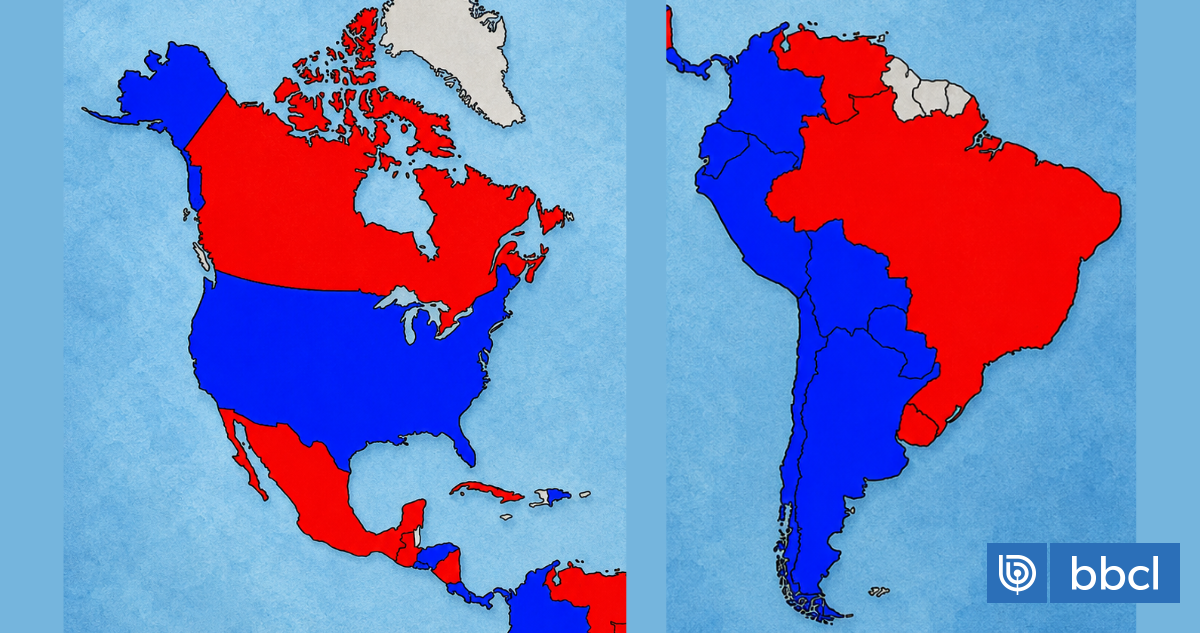
Latin America’s Right-Wing Surge: The New Political Map of the Americas
Right-wing candidates secured preliminary presidential victories in Colombia and Peru, marking a conservative shift in South America. According to election reports, Abelardo de la Espriella and Keiko Fujimori lead their respective races, joining a trend toward right-wing governance already seen in Argentina, Chile, and Bolivia.
Why are Colombia and Peru shifting toward right-wing leadership?
Abelardo de la Espriella, founder of the Defensores de la Patria movement, won a narrow preliminary victory over rival Iván Cepeda in Colombia. De la Espriella is identified as a nationalist conservative. These results, while preliminary, suggest a rejection of previous progressive trends.
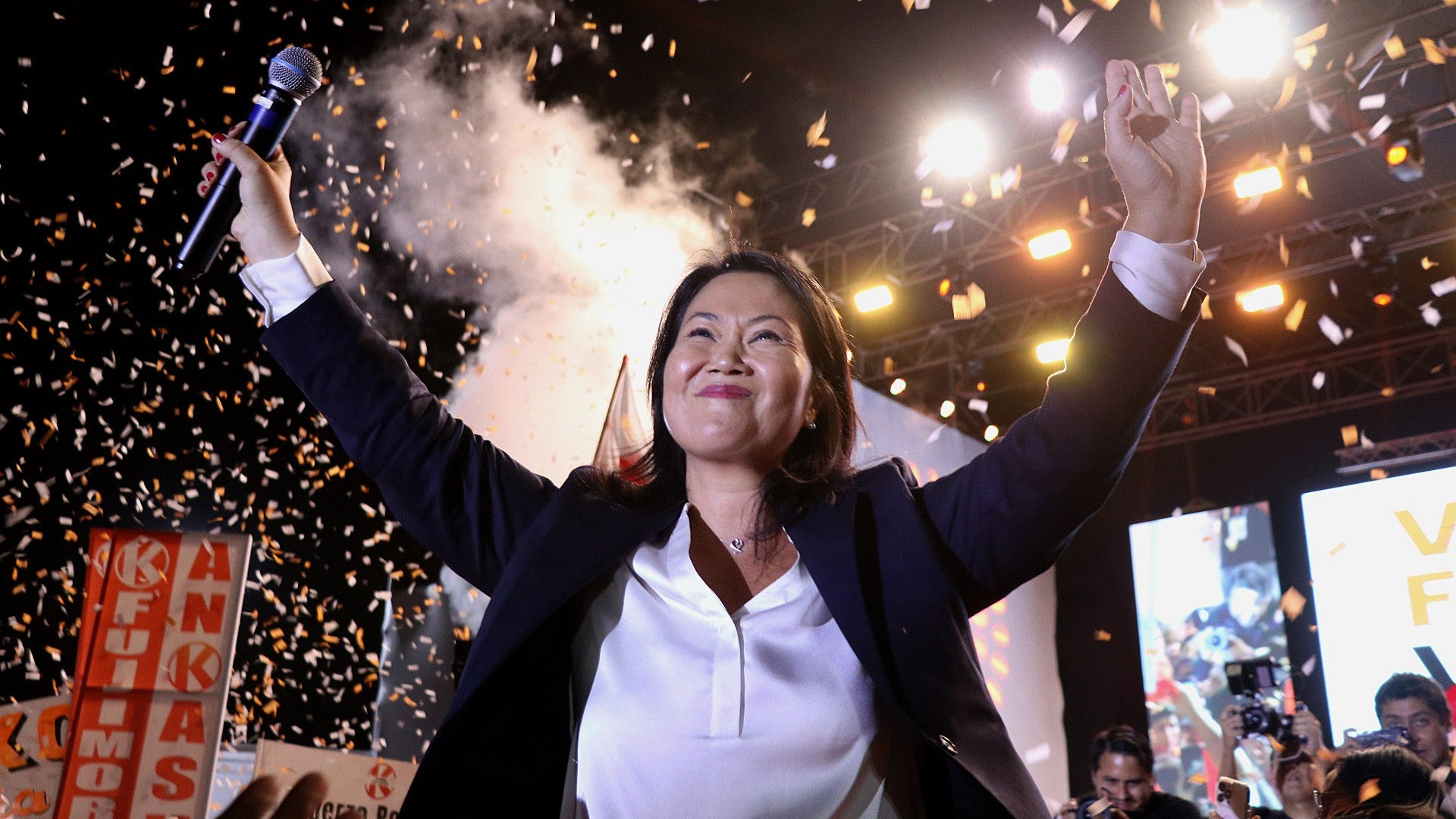
In Peru, Keiko Fujimori of the Fuerza Popular party obtained the majority of votes. This marks her fourth attempt at the presidency. According to the report, Fujimori remains closely tied to the conservative ideologies of her father, Alberto Fujimori. Both the Colombian and Peruvian results currently await official ratification.
How does this change the South American political map?
The region is moving away from the progressive surge that defined the early 2020s. The victories in Colombia and Peru align with recent right-wing pivots in Argentina, Chile, and Bolivia. This creates a dominant conservative corridor, particularly across the western half of the continent.
The shift isn’t uniform. While Argentina’s Javier Milei leads a libertarian right-wing government, Chile’s José Antonio Kast and Bolivia’s Rodrigo Paz represent different shades of conservatism and moderation. Even Venezuela, formally a left-wing state under the PSUV, maintains close ties with the U.S. following the capture of Nicolás Maduro.
The Brazil Factor: The next major battleground
Brazil remains the largest ideological outlier in the region’s current trend. Current president Luiz Inácio Lula da Silva of the Workers’ Party (PT) continues to lead in voting intentions. However, the right has a strong challenger in Flávio Bolsonaro, the eldest son of former president Jair Bolsonaro.
The outcome of the October elections in Brazil will determine if the right-wing wave fully consumes the South American mainland or if a left-wing stronghold persists in the region’s largest economy.
What is the current ideological split across the Americas?
The political landscape is currently divided between conservative, centrist, and progressive blocs. According to recent government data, the distribution is as follows:
Right and Center-Right Governments
- North America: Donald Trump (United States)
- Central America: Nayib Bukele (El Salvador), Nasry Asfura (Honduras), José Raúl Mulino (Panama)
- Caribbean: Luis Abinader (Dominican Republic)
- South America: Abelardo de la Espriella (Colombia – prelim), Daniel Noboa (Ecuador), Santiago Peña (Paraguay), José Antonio Kast (Chile), Javier Milei (Argentina), Keiko Fujimori (Peru – prelim)
Left and Center-Left Governments
- North America: Mark Carney (Canada), Claudia Sheinbaum (Mexico)
- Central America: Bernardo Arévalo (Guatemala), Daniel Ortega (Nicaragua)
- Caribbean: Miguel Díaz-Canel (Cuba)
- South America: Delcy Rodríguez (Venezuela – interim), Luiz Inácio Lula da Silva (Brazil), Yamandú Orsi (Uruguay)
Frequently Asked Questions
Abelardo de la Espriella of the Defensores de la Patria movement won by a narrow margin over Iván Cepeda.

No. She obtained the majority of votes in the preliminary results, but the victory must still be ratified.
Recent shifts have occurred in Argentina, Chile, Bolivia, and preliminarily in Colombia and Peru.
How do you think these right-wing shifts will impact trade and diplomacy in the Americas? Let us know in the comments or subscribe to our newsletter for real-time political analysis.