

Leonardo da Vinci’s Scattered Notebooks Have Been Reunited After 400 Years
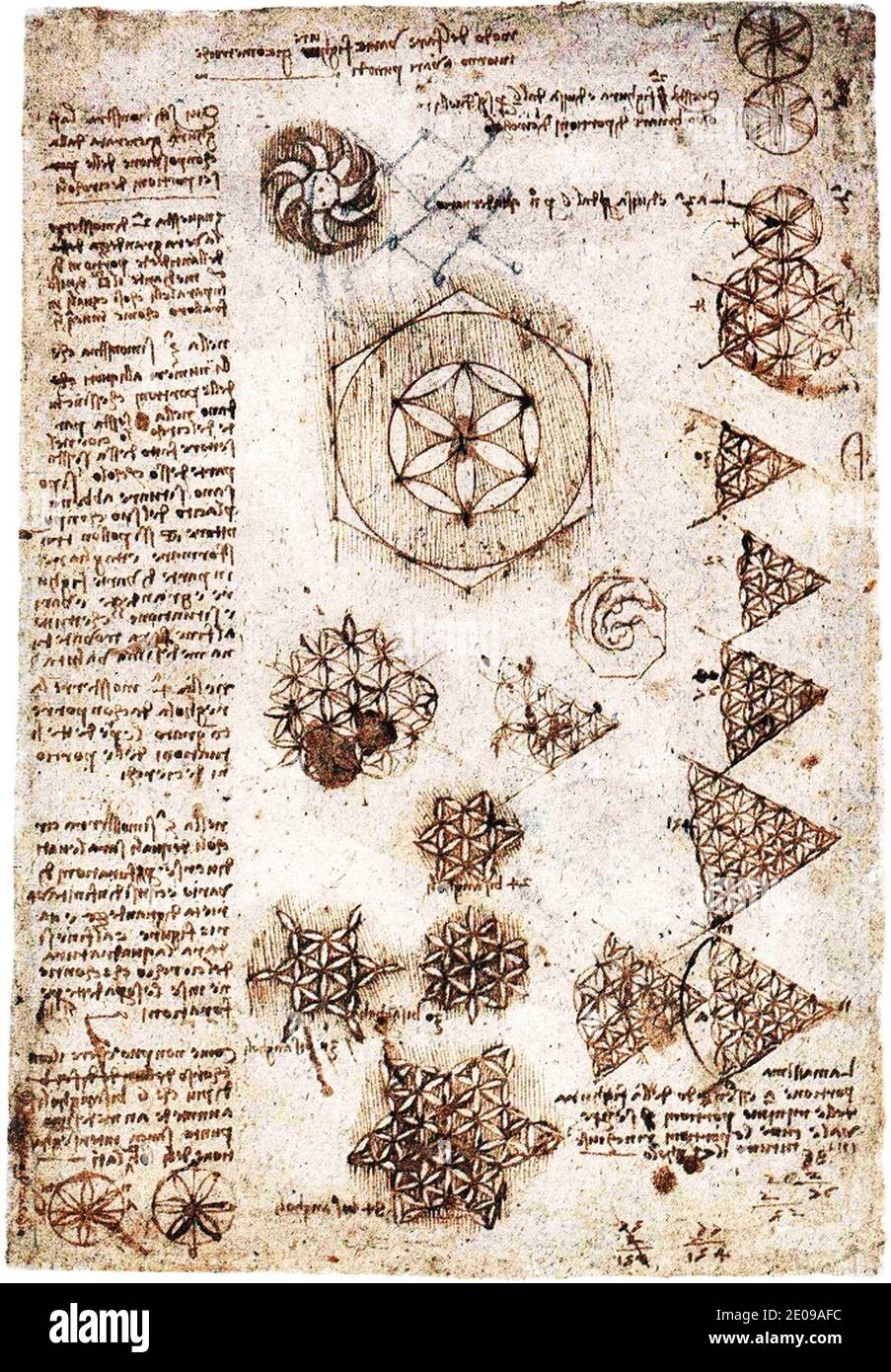
Museo Galileo in Florence has launched Leonardotheka, a digital platform that reunites Leonardo da Vinci’s scattered manuscripts for the first time in over 400 years. The resource merges 1,119 sheets from the Codex Atlanticus in Milan with roughly 550 sheets from the Royal Collection at Windsor to create a unified, searchable database of approximately 3,500 manuscript pages.
The project took 10 years to develop. It was created through a partnership between Museo Galileo, the Royal Collection Trust, and the Biblioteca Leonardiana in Vinci, according to the museum.
Why was Leonardo’s work divided?
Following da Vinci’s death in 1519, his pupil Francesco Melzi inherited the manuscripts. They eventually passed to Pompeo Leoni, who reorganized the sheets into two distinct albums. One album focused on technical and scientific writings, while the other contained anatomical studies, landscapes, and figurative drawings.
The technical collection became the Codex Atlanticus, which Count Galeazzo Arconati donated to the Ambrosiana in Milan in 1637. The figurative album reached England in the 1620s and likely entered the Royal Collection around 1670 as a gift to King Charles II.
According to the museum, this split reinforced a misleading division between da Vinci’s roles as an artist and an engineer. Leonardotheka now merges these collections digitally to reflect the unity of art and science that da Vinci practiced.
How does Leonardotheka improve scholarly research?
The platform allows users to filter material by technique and content while connecting pages to scholarly resources. Professor Paolo Galluzzi, president emeritus of Museo Galileo, stated that the tool offers scholars “unprecedented opportunities” to explore the information within the manuscripts.
Galluzzi added that the platform marks the start of a “new and highly promising era of research” into the scientific, literary, and artistic legacy of the polymath.
What are the results of the digital restoration?
Researchers used forensic methods—examining watermarks, paper preparation, and page dimensions—to digitally reconstruct at least 50 pages. This process matched fragments held in Windsor with sheets from the Codex Atlanticus.
One specific reconstruction paired a drawing of a horse with written reflections on the Regisole, a classical monument in Pavia. Scholars believe this pairing may show the moment da Vinci finalized the sketch for the Francesco Sforza monument, which was never completed.
Who should control the digital future of cultural heritage?
The project also addresses the ownership of digitized history. Roberto Ferrari, executive director of Museo Galileo, told Artnet that Leonardotheka sets a precedent for cultural institutions to retain intellectual ownership of their digital work rather than delegating it to commercial platforms.
Ferrari noted that in an era of evolving artificial intelligence, institutions must take direct responsibility for the tools used to explore shared heritage. Fabio Cassese, the Italian ambassador to the U.K., told RTE that Leonardo’s importance transcends national borders and belongs to the heritage of all humanity.
What happens next for the collection?
While the digital reunion is complete, the physical sheets will likely remain in their respective locations in Milan and Windsor. The platform could potentially serve as a model for other divided historical archives to be reunified digitally.
Future research may lead to the discovery of more reconstructed pages as scholars continue to use the database to compare fragments across the 3,500-page archive.
Frequently Asked Questions
What is Leonardotheka?
It is an online platform launched by Museo Galileo that digitally reunites the Codex Atlanticus from Milan and sheets from the Royal Collection at Windsor.
Who was responsible for splitting Leonardo’s manuscripts?
The sculptor Pompeo Leoni divided the manuscripts in the late 1500s, separating technical writings from figurative drawings.
How many pages have been digitally reconstructed?
Researchers have reconstructed at least 50 pages by matching fragments between the two collections.
Do you think digital reunions of historical archives change how we perceive the creativity of past geniuses?