
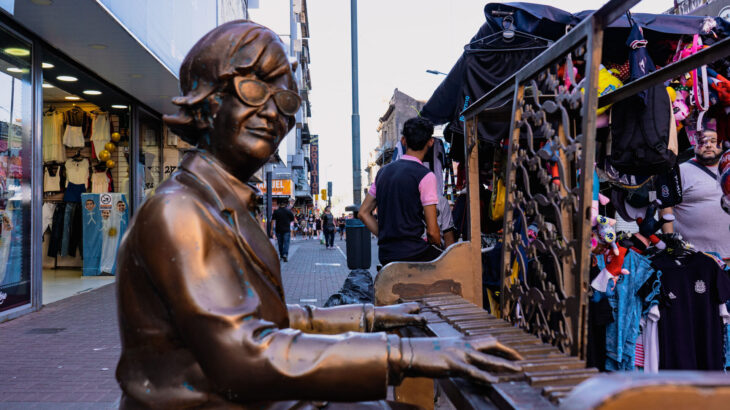
Leonor Marzano Sculpture Relocated to Teatro Comedia in Córdoba
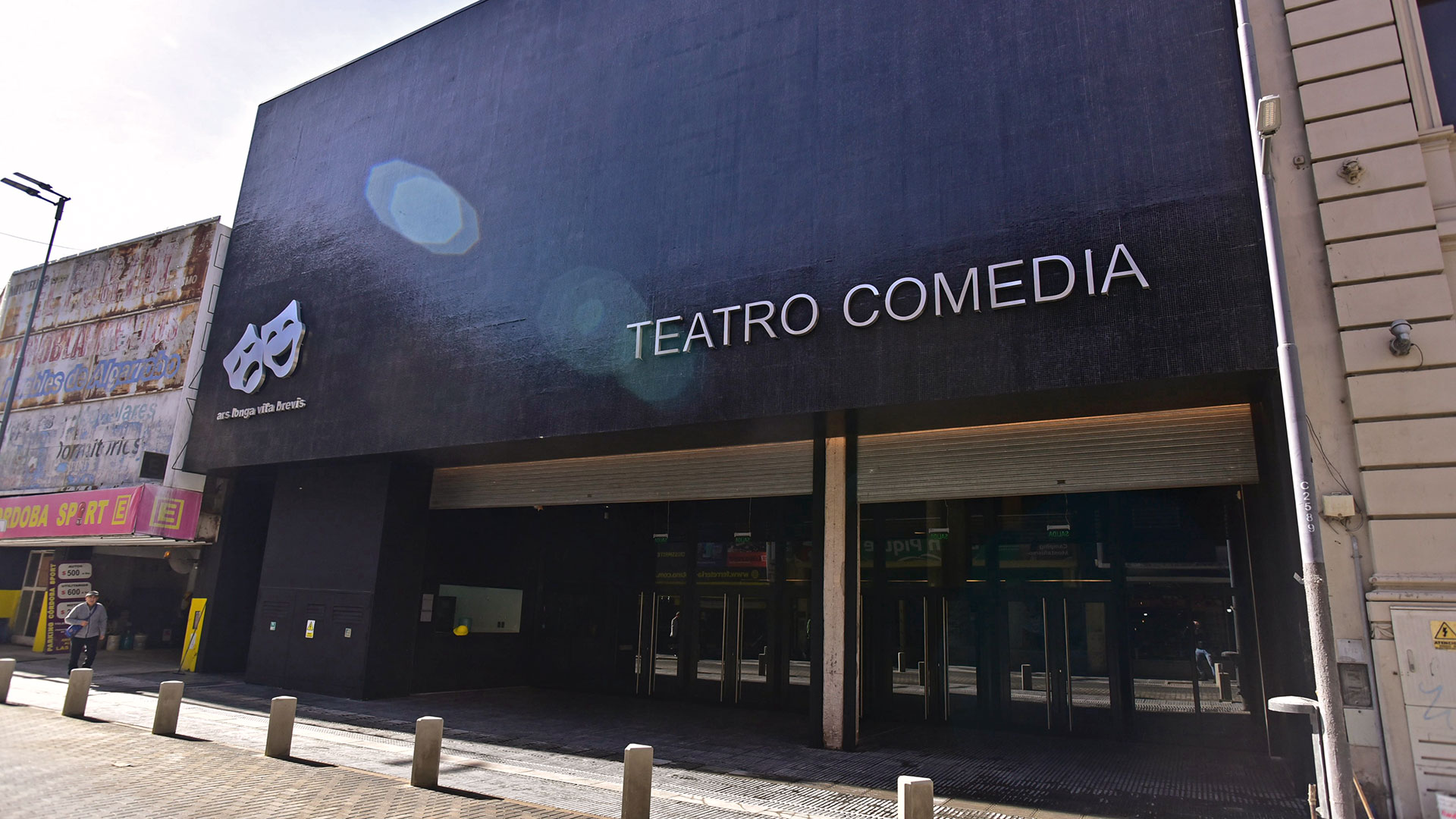
The cultural landscape of Córdoba has seen a significant change as the life-sized sculpture of Leonor Marzano, the celebrated creator of the cuarteto rhythm, has been relocated to a new home. The bronze tribute, which depicts the artist at her “piano saltarín,” now stands at the entrance of the Teatro Comedia, located at Rivadavia 254.
This move follows an extensive restoration process aimed at repairing damage sustained during the piece’s long tenure on the city’s Calle San Martín. By placing the statue between the building’s glass partition and its metal shutter, officials hope to ensure better preservation against weather conditions and vandalism while maintaining accessibility for the public.
A Symbol of Musical Heritage
The relocation coincides with the commemoration of the Day of the Cuarteto, a date historically tied to the first live radio broadcast of a genre orchestra in 1943. This year’s celebration holds added weight, marking the first observance since the cuarteto was officially recognized as Intangible Cultural Heritage of Humanity.
Héctor Campana, Secretary of Strengthening Neighborhoods, Culture and Sports, noted the significance of the move, stating, “Leonor represents a part fundamental of the history of the cuarteto and we believe that this new space will allow it to continue occupying a central place in the memory and affection of all Cordobeses.”
Looking Ahead
As the Teatro Comedia continues to function as a primary venue for local artistic production, the presence of the sculpture is likely to strengthen the connection between the history of the cuarteto and the current generation of artists. Future efforts may focus on integrating the site into broader cultural tours, as the city seeks to cement the genre’s status as a core component of both local and national identity.
Frequently Asked Questions
Why was the sculpture of Leonor Marzano moved?
The sculpture was relocated to the Teatro Comedia to ensure better preservation and protection from weather and vandalism, following a restoration process necessitated by years of exposure on Calle San Martín.
Who is Leonor Marzano?
Leonor Marzano was a pianist and composer known as the creator of the cuarteto rhythm and the “piano saltarín.” She is widely recognized as a foundational figure in the history of the genre.
What is the significance of the timing of this move?
The relocation was completed in conjunction with the Day of the Cuarteto, marking the first such celebration since the genre was named Intangible Cultural Heritage of Humanity.
How do you think the placement of commemorative statues influences the way a city remembers its artistic pioneers?