
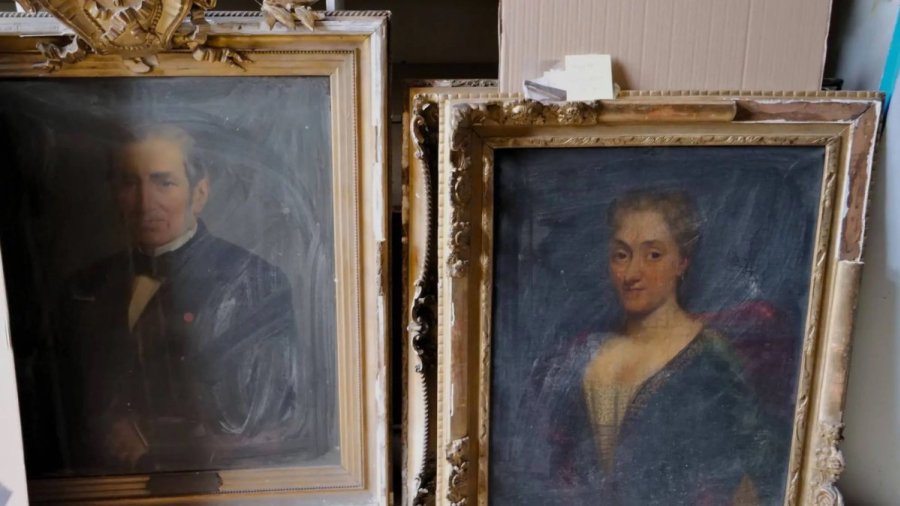
Lille University Hospital Safeguards Major Art Collection
The CHU de Lille and DRAC Hauts-de-France have launched a comprehensive inventory of nearly 300 art and heritage objects to ensure their long-term preservation. This collection, which ranks as the second largest public collection in the city, includes paintings and sculptures, some of which have held Historical Monument status since 1897.
Why is the CHU de Lille inventorying its art collection?
The CHU and DRAC Hauts-de-France initiated the project to locate and assess the conservation state of the hospital’s assets. Students from the École du Louvre and the Institut national du patrimoine are managing the identification, numbering, and restoration of the pieces.

The team’s primary goal is to create an exhaustive list of the collection. They’re working to identify which pieces are already protected and which ones could be eligible for future protection.
What is the historical significance of these works?
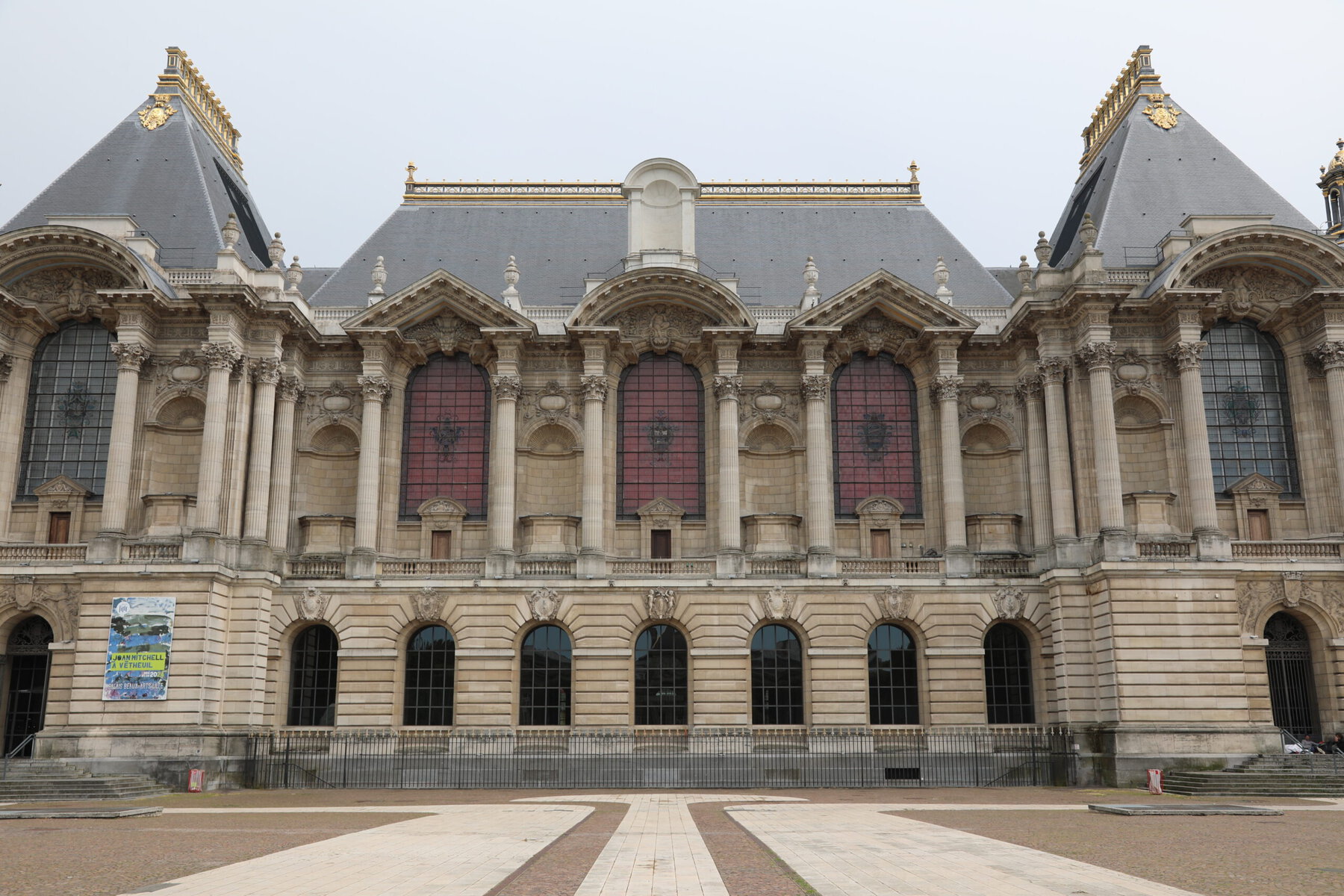
The collection’s importance is reflected in its legal status, with some pieces inscribed as Historical Monuments between 1897 and the 1990s. Many of these works were previously held or exhibited in cultural landmarks across the capital of Flanders, including the Palais des Beaux-Arts.
Which medical artifacts are included in the heritage project?
The project extends beyond fine art to include 24 medical objects that received heritage recognition in 2025. These items provide a tangible history of medical evolution.
The public can view a portion of these items at the Institut Cœur Poumon. The display includes incubators, a 1950s iron lung, and the unique polytome.
What happens next for the collection?
Once the identification and restoration work is complete, the works are likely to be moved. A possible next step is the transfer of the entire collection to a dedicated conservation reserve adapted to their specific needs.
Frequently Asked Questions
How many heritage objects does the CHU de Lille own?
The hospital holds nearly 300 heritage works and objects, including sculptures and paintings.
Who is conducting the inventory of the art?
The mission is entrusted to students from the École du Louvre and the Institut national du patrimoine.
Where can the public see the hospital’s medical heritage?
Some of the recognized medical objects are available for public viewing at the Institut Cœur Poumon.
How should public institutions balance the daily needs of healthcare with the preservation of artistic and medical heritage?