

Lilly, Novo, Pfizer look to new weight loss drugs
Drugmakers presented new weight-loss treatments, including less frequent injections and oral pills, at the American Diabetes Association’s Scientific Sessions in New Orleans. Companies like Eli Lilly and Novo Nordisk are expanding beyond weekly shots to reach a global market of 2.5 billion overweight people, according to World Health Organization statistics.
How are oral weight-loss pills changing the market?
Eli Lilly and Novo Nordisk are using oral options to bring more patients into the weight-loss market. Novo Nordisk reported that prescriptions for its Wegovy pill exceeded 3 million within five months of launch.
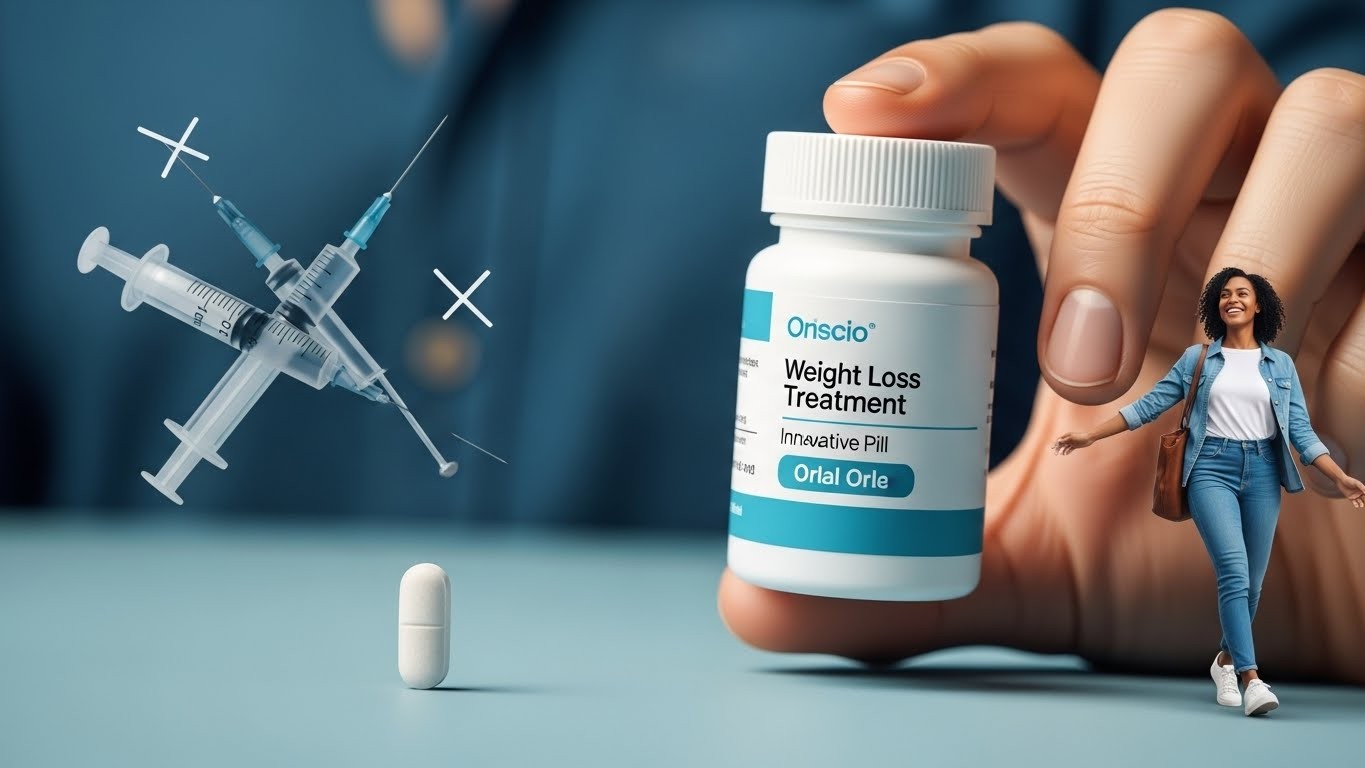
Eli Lilly recently introduced Foundayo, a small molecule pill. Other companies, including AstraZeneca and Structure Therapeutics, shared mid-stage data for their own GLP-1 pills.
If these drugs pass Phase 3 trials, they could enter the market around 2029. Structure Therapeutics CEO Ray Stevens said the company is pushing to secure the second position in the small molecule market behind Foundayo.
Can weight-loss injections be taken less often?
Several companies are developing treatments to replace weekly shots. Pfizer unveiled mid-stage data for a shot, acquired through a $10 billion deal with Metsera, that could be administered monthly.
Amgen is testing a drug that could be given monthly or quarterly. Susan Sweeney, Amgen’s executive vice president of obesity and related conditions, stated that reducing treatment to four times a year helps patients avoid “remembering your disease.”
What are the next-generation obesity treatments?
Some firms are targeting amylin, a pancreas hormone that induces fullness, to reduce side effects. Zealand Pharma and Roche presented mid-stage data for petrelintide, an experimental shot that helped users lose nearly 11% of their body weight.
Zealand CEO Adam Steensberg noted that fewer patients on petrelintide vomited compared to the placebo group. He suggested patients might switch to this new modality for a better experience.
Eli Lilly is also pursuing this path with eloralintide, an amylin analogue currently in Phase 3 trials. Additionally, Lilly’s triple-acting drug, retatrutide, produced an average weight loss of 28% in Phase 3 trials.
Will the obesity drug market remain a duopoly?
Investors are debating whether Eli Lilly and Novo Nordisk will continue to dominate or if new entrants will gain significant share. Goldman Sachs analyst Asad Haider stated that the primary question is not the volume of patients, but where pricing will end up.
Lilly and Novo have reduced prices for their shots over the last year. This comes as they compete with each other and compounding pharmacies selling cheaper knockoff versions.
Novo Nordisk CEO Mike Doustdar suggested that obesity treatment may eventually mirror mental health care, evolving from a single label into a variety of distinct medications for different issues.
Access is also expanding. Millions of seniors on Medicare will soon be able to access these medicines for a $50 monthly out-of-pocket cost.
Frequently Asked Questions
What is retatrutide and how does it work?
Retatrutide is an experimental triple-acting drug from Eli Lilly that activates GLP-1, GIP, and glucagon receptors. In Phase 3 trials, users lost an average of 28% of their body weight.
When will AstraZeneca and Structure Therapeutics’ pills be available?
If their oral GLP-1 drugs succeed in Phase 3 trials, they are likely to reach the market around 2029.
How does the amylin drug petrelintide differ from GLP-1s?
While petrelintide produced less weight loss (nearly 11%) than current injections like Wegovy and Zepbound, Zealand Pharma reported that fewer patients experienced vomiting compared to the placebo group.
Do you think quarterly injections would make weight-loss treatments more accessible for the general population?