

Linguistic Means of Interpersonal Relations Staging in Social Network Twitter – Ivanova
Social media users are increasingly adopting the “theatricalization” of interpersonal relationships, a trend where digital interactions are staged for an audience rather than serving as genuine private communication. According to research by Maria Alexandrovna Ivanova of the Moscow State Linguistic University, this shift transforms Twitter posts into performances where users utilize verbal and non-verbal cues to attract followers and manage their public image.
How does the theatricalization of social media work?
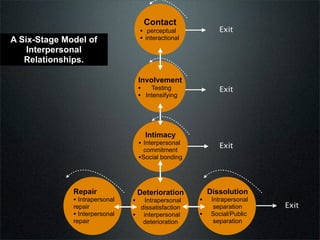
Theatricalization functions by turning everyday interactions into high-stakes spectacles. Research published in Germanistika 2021 identifies that users employ specific linguistic markers and visual content to “stage” both friendships and hostile encounters. By treating the virtual space as a stage, individuals expand their circle of “followers-viewers,” effectively gamifying their social status. This behavior mirrors sociological concepts described by Erving Goffman, where identity is a performance managed through front-stage and back-stage actions, now accelerated by the algorithmic nature of platforms like Twitter.
Why are digital relationships becoming more performative?
The drive toward performance is rooted in the architecture of online platforms. As noted by W. Schweiger in the Handbuch Online-Kommunikation, the competitive nature of online attention forces users to conceptualize their emotional lives in ways that generate engagement. When a conflict or a display of affection is “staged,” it is often intended to trigger specific reactions from an audience. This move away from authentic communication toward curated drama is a direct response to the information-rich environment of the modern internet, where visibility is often equated with social capital.
What are the consequences of virtual staging?
The transformation of communication into performance creates a feedback loop that alters how users perceive reality. A. V. Anishchenko’s 2019 analysis suggests that the information-communication environment reshapes the conceptualization of human emotions. When users stage their hostility, they may experience a detachment from the actual emotional weight of the interaction. This trend risks desensitizing followers to the genuine interpersonal conflicts of others, as the line between reality and entertainment continues to blur in the digital sphere.
Did you know?
Research indicates that the “theatricalization” of discourse is not limited to text; it incorporates “articulated pixels,” or images and multimedia elements that function as stage props to reinforce the narrative being presented by the user (Schmitz, 2010).

Frequently Asked Questions
- Is this behavior limited to Twitter?
No. While the study focused on German-language Twitter, the underlying sociological drivers—attention seeking and identity management—are present across all major social media platforms, including Instagram and TikTok. - Why do people stage hostile relationships?
Conflict drives engagement. Staged hostility often serves to polarize audiences, thereby increasing the reach and visibility of the accounts involved. - Does this mean online interactions are fake?
Not necessarily “fake,” but “curated.” The emotions may be real, but the delivery is modified to fit the expectations of a digital audience.
How has your experience with social media changed over the last few years? Do you find yourself performing for your followers? Join the conversation in the comments below or subscribe to our newsletter for more insights into the digital age.