

Literary Hub » What Happens When You Show Your Parents Your Debut Novel?
Author Mary Berman recently navigated the harrowing emotional terrain of sharing her debut novel, Until Death, with her parents. The process was marked by an intense fear that the blurring of fiction and reality would damage her most vital relationships.
Berman first shared the manuscript with her partner, who noted similarities between the story and their real lives. Specifically, the protagonist visits an apartment in West Philadelphia that mirrors her partner’s actual residence.
The Conflict Between Art and Family
The novel contains details that closely parallel the author’s family life, including a character with a mother who has an injured knee, mirroring Berman’s own mother. While the plot diverges—the fictional mother has dementia and the father is deceased—the familiarity created significant anxiety for the author.
Berman expressed a deep-seated fear that her parents would feel slandered in a public forum. She worried that family friends, cousins, and aunts might mistake the characters for real people, potentially leading her parents to stop speaking to her.
A Leap of Vulnerability
The act of handing over the book felt, to Berman, like an act of extreme vulnerability. She described the experience as “pushing needles into the pincushion of my skin” and feared her parents would react with disgust.
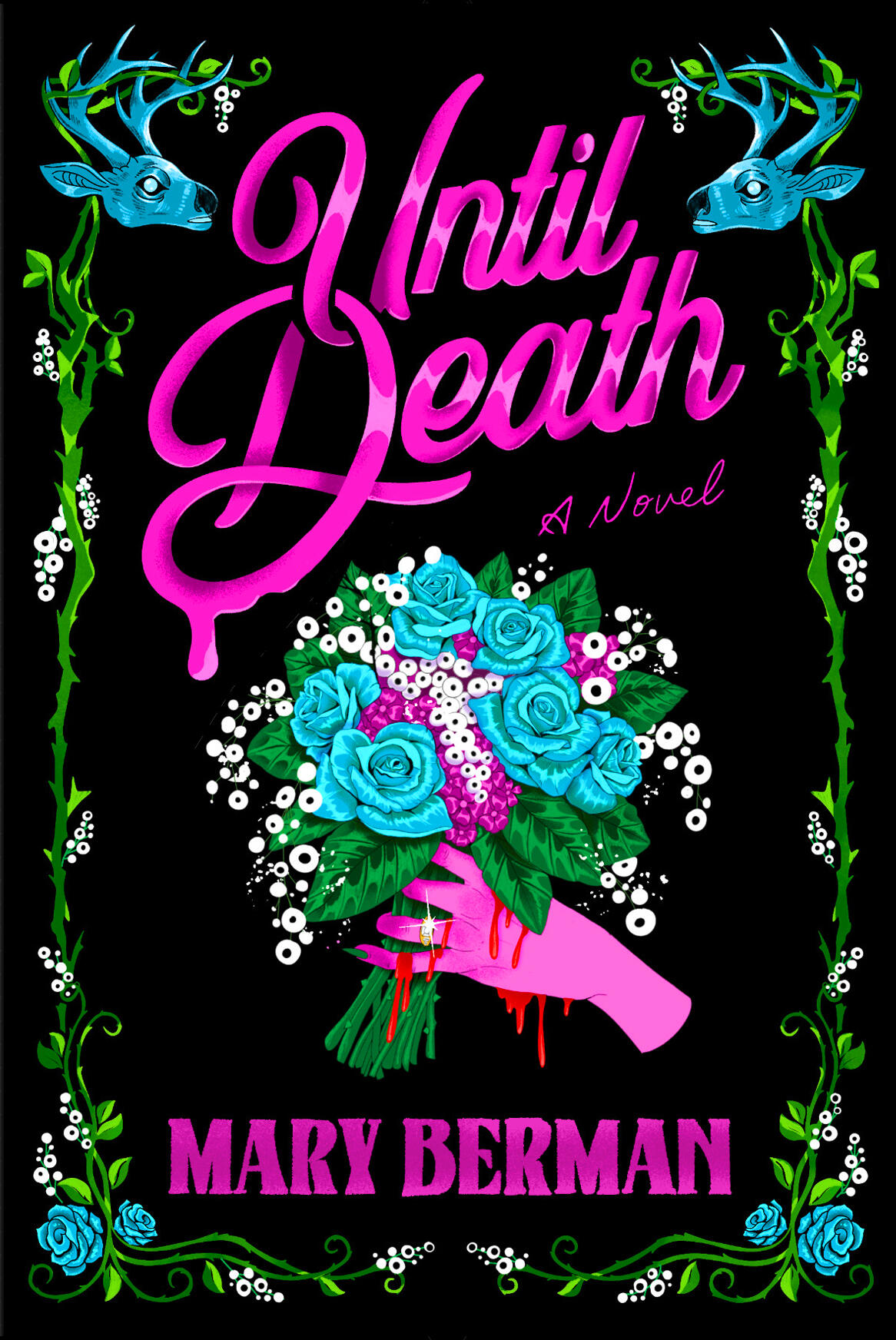
To mitigate the tension, Berman asked her parents to read the acknowledgments first to ensure they knew they were thanked before anyone else. Despite the shocking nature of some lines—including one where the protagonist thinks someone should kill her mother—the initial reaction was one of delight and laughter.
The Resolution of Fear
The aftermath was not without friction; Berman’s mother admitted that the book made her feel “weird” and she read it slowly over several weeks. However, the catastrophic fallout Berman anticipated never materialized.
Her mother eventually provided a pivotal validation, explaining that Berman was not a criminal for “stealing” details. She clarified that the author was simply writing her own experience and perception of those events.
The Psychological Toll of Ambition
Reflecting on the experience, Berman cited author Heather Havrilesky, noting that the mind can become punishing when one pursues something they deeply love. Having wanted to publish a book since the age of three, Berman found that achieving this goal brought unexpected psychological challenges.
This journey culminated in a lesson on trust and vulnerability. Berman realised that her fears were largely internal constructions and that her family’s love remained steadfast despite the contents of her novel.
Looking Ahead
Having successfully navigated the release of Until Death through Little, Brown and Company, Berman may apply these lessons to future projects. She will approach her next manuscript with a different perspective on vulnerability.

The author’s experience suggests she is likely to continue exploring the intersection of personal memory and fiction, though she hopes to remember the strength of her family’s support when she writes the next book.
Frequently Asked Questions
What is the title of Mary Berman’s book and who published it? The book is titled Until Death and is available from Little, Brown and Company, an imprint of Hachette Book Group. What specific real-life details appeared in the novel? The novel includes a protagonist visiting an apartment in West Philadelphia and a character with a mother who has an injured knee. How did the author’s mother ultimately view the use of personal details? She told the author she was not a criminal and had not stolen, stating that the author was writing her own perception and experience. Do you believe that authors should avoid using real-life family details in their fiction to protect their relationships?